world
Doctors Report Rise in Injectable Peptide Use and Associated Health Risks
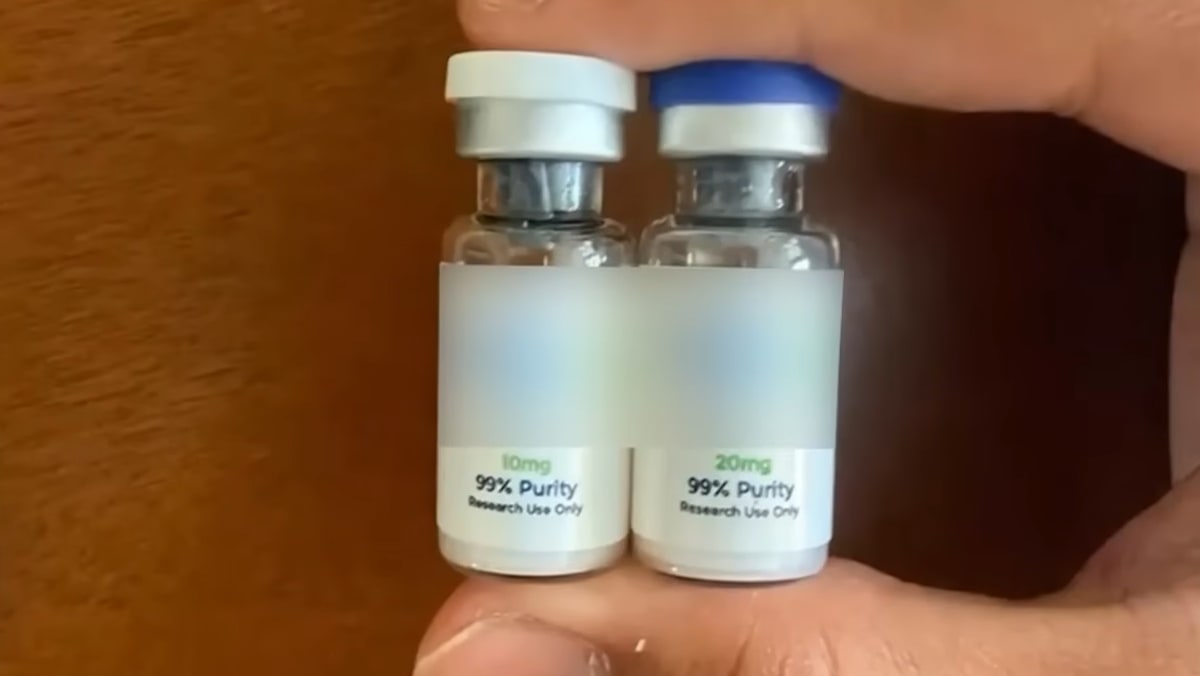
Physicians at longevity clinics have observed increased interest in injectable peptides for weight loss and anti-aging. They report cases of adverse effects including allergic reactions and hormone disturbances from unauthorized use. Discussions with seven doctors highlight concerns over sourcing peptides from unregulated channels.
 channelnewsasia.com
Audio version
Tap play to generate a narrated version.
Developing·Limited corroboration so far. This page will refresh as more sources emerge.
Physicians at longevity clinics worldwide have noted a rise in patient interest in injectable peptides, along with associated health issues. Business Insider interviewed seven doctors, some of whom prescribe peptides while others do not recommend them.
Peptides are short chains of amino acids that function as hormones or aid in processes like muscle growth and healing. Injectable forms are used for benefits such as fat burning, muscle growth, tanning, and wound healing. However, rigorous human studies on these effects are limited.
Health Issues Doctors have linked various health problems to unauthorized peptide use. At the Institute for Healthier Living in Abu Dhabi, practitioners connected a case of full-body hives to an at-home peptide injection. In Texas, a doctor reported a fit male patient developing early insulin resistance, with elevated blood sugar levels, after using a growth hormone-stimulating peptide.
This patient had no family history of diabetes and maintained a gym routine. The doctor stated that excess growth hormone stimulation can lead to insulin resistance, though this risk is not well-studied in peptide contexts. Injuries range from minor injection-site reactions to serious hormonal disturbances.
Contamination from improper sourcing or dosing contributes to these issues. Doctors note that patients often obtain peptides online or from friends without medical consultation.
peptides include Tesamorelin, FDA-approved for HIV patients with lipodystrophy to reduce midsection fat, though not studied in others. BPC-157 is used for wound healing but lacks FDA approval for any condition. GLP-1 peptides mimic natural hunger and blood sugar regulators, similar to FDA-approved drugs like Ozempic and Wegovy.


