Substrate
world

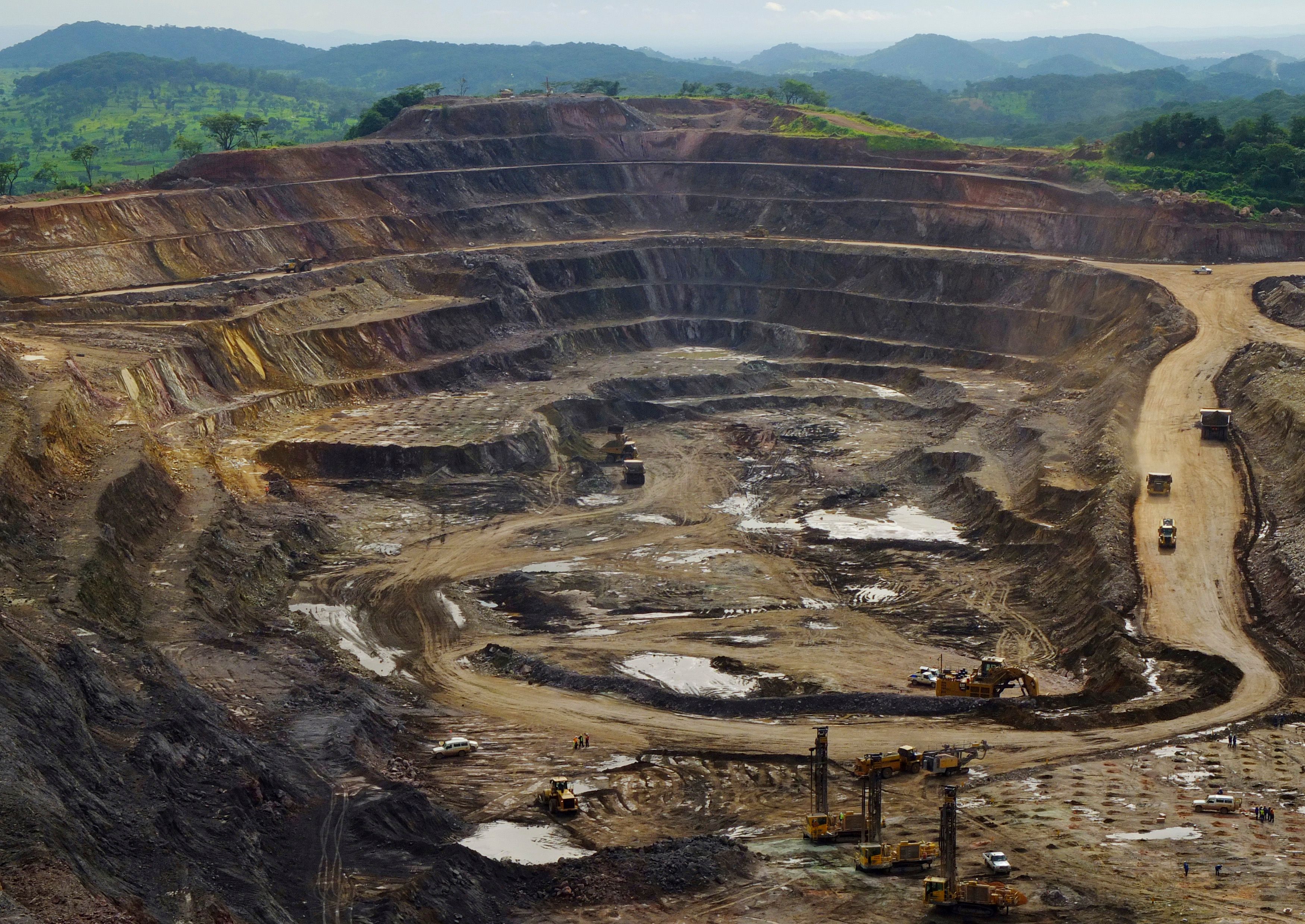
DR Congo Cobalt Export Quotas Prompt Production Changes by Major Miners

DR Congo's cobalt export quotas have led major producers to adjust operations, including reducing output or prioritizing other metals. Glencore reported a 39% drop in cobalt production in the first quarter of 2026. Other companies like CMOC and Eurasia Resources Group have adopted strategies to manage quotas while maintaining or expanding output in certain areas.
Semafor
1 source·May 4, 11:44 AM(1 day ago)·2m read
DR Congo Cobalt Export Quotas Prompt Production Changes by Major MinersSemafor
Audio version
Tap play to generate a narrated version.
Developing·Limited corroboration so far. This page will refresh as more sources emerge.

DR Congo, which supplies over 70% of global cobalt from mines, introduced export quotas late last year to increase value from its resources and reduce illegal flows. The quotas followed a period of frozen shipments and aim to stabilize the market for the mineral used in batteries.

Prices had fallen to a nine-year low of $22,000 per metric ton in 2025 before more than doubling to $57,000 per metric ton by December.

Glencore, a London-listed company, reported that its cobalt output decreased 39% to 5,800 tons in the first three months of 2026 compared to the same period in 2025. The company stated this was intentional to stay within its 2026 export quota of 22,800 tons.

Glencore has shifted to prioritize copper production, which increased by 19% in the period. The company explained that its assets in DR Congo now focus on copper as existing cobalt inventories meet near-term quota levels. This approach avoids producing cobalt that cannot be exported immediately.

Glencore is based in Switzerland and operates as a major mining firm.

CMOC, a China-based company and the world's largest cobalt supplier, plans to maintain high cobalt output levels despite the quotas. The company announced at a shareholder meeting last week that it would produce up to 120,000 tons from its DR Congo operations in 2026, against an export quota of 31,200 tons.

CMOC cited high ore grades and low costs as reasons to continue production, with plans to stockpile excess material. Eurasia Resources Group, a Luxembourg-based miner with a 40% stake held by the Kazakh government, reduced its cobalt hydroxide output by 70% to 5,700 tons in 2025.

This reduction provides room to increase production in 2026 under its export quota of 12,325 tons. The company's strategy allows for potential doubling of output from the lower 2025 base.

The quotas total 96,600 tons nationally for DR Congo, with allocations to producers like CMOC representing about a quarter of that amount. ARECOMS, the country's mining regulator, administers the system and reserves the right to buy excess stocks for a national reserve.

The quotas aim to reward domestic processing and job creation. Cobalt prices surged after the export freeze in 2025 and the quota introduction in October of that year. Industry trackers noted operational challenges in implementation. The system positions DR Congo to influence global supply similar to a swing producer in other commodity markets.

Peter Major, a mining analyst with Modern Corporate Solutions, stated that the quotas may strengthen black market activities more than formal channels. He noted that unregulated artisanal miners could be less affected than large producers. Zimbabwe granted special export quotas to Chinese firms for lithium last month, two months after banning exports of the metal.

Key Facts

Glencore output
fell 39% to 5,800 tons in Q1 2026
CMOC production plan
up to 120,000 tons in 2026 vs 31,200 ton quota
National quota
96,600 tons for DR Congo in 2026
Price surge
from $22,000/mt in 2025 to $57,000/mt by December
ERG reduction
70% cut to 5,700 tons in 2025 for 2026 flexibility

Story Timeline

4 events
  1. Last week

    Glencore reported a 39% drop in cobalt output for the first quarter of 2026.

    1 sourceSemafor
  2. Last week

    CMOC stated at a shareholder meeting it would maintain high cobalt production despite quotas.

    1 sourceSemafor
  3. Late last year

    DR Congo introduced cobalt export quotas after freezing shipments.

    1 sourceSemafor
  4. 2025

    Cobalt prices reached a nine-year low of $22,000 per metric ton.

    1 sourceSemafor

Potential Impact

  1. 01

    Higher cobalt prices could increase DR Congo's export revenue by about 24% in 2027 compared to 2024.

  2. 02

    Smaller miners may face challenges stockpiling excess production, potentially leading to mergers with larger firms.

  3. 03

    Black market cobalt trade could grow as formal producers are more restricted.

  4. 04

    Quotas might encourage domestic processing jobs in DR Congo through strategic allocations.

Transparency Panel

Sources cross-referenced1
Confidence score65%
Synthesized bySubstrate AI
Word count466 words
PublishedMay 4, 2026, 11:44 AM
Bias signals removed3 across 2 outlets
Signal Breakdown
Editorializing 1Amplifying 1Loaded 1

Related Stories

Explosion at China Fireworks Factory Kills 26 and Injures 61 in Hunan ProvinceEric Jones / Wikimedia (CC BY-SA 2.0)
world1 hr ago

Explosion at China Fireworks Factory Kills 26 and Injures 61 in Hunan Province

An explosion at the Huasheng Fireworks Manufacturing and Display Company in Liuyang, Hunan province, killed at least 26 people and injured 61 on Monday afternoon. Rescue operations concluded with evacuations and production halts at local fireworks manufacturers. President Xi Jinp…

SC
The Guardian
BBC News
South China Morning Post
4 sources
Trump Pauses Project Freedom in Strait of Hormuz Amid Progress on Iran Agreementindiatoday.intoday.in
world1 hr agoUpdated

Trump Pauses Project Freedom in Strait of Hormuz Amid Progress on Iran Agreement

President Trump announced a temporary pause to Project Freedom, the U.S. effort to escort ships through the Strait of Hormuz, citing mutual agreement with Iran to facilitate finalizing a deal while the blockade remains in place. The decision follows requests from Pakistan and oth…

The Independent
cnbc.com
DE
NE
FI
+89
96 sources
Australian Government Introduces Levy on Tech Platforms to Support Local News PublishersSouth Australian Railways photographer / Wikimedia (Public domain)
world1 hr ago

Australian Government Introduces Levy on Tech Platforms to Support Local News Publishers

Australia's government introduced the News Bargaining Incentive to shield publishers from big tech's use of news content. President Trump imposed a 100% tariff on imported pharmaceuticals, but Australia stated it would not raise drug prices. On International Day of the Midwife, g…

WH
The New York Times
The Guardian
NPR
4 sources