Drought, Flooding and al-Shabaab Conflict Drive Acute Hunger Crisis in Somalia Amid Political Disputes
More than 6.5 million Somalis face severe hunger as drought, floods and conflict displace families into camps with little aid. Political disputes over expired mandates have added to the strain.
 gamereactor.eu
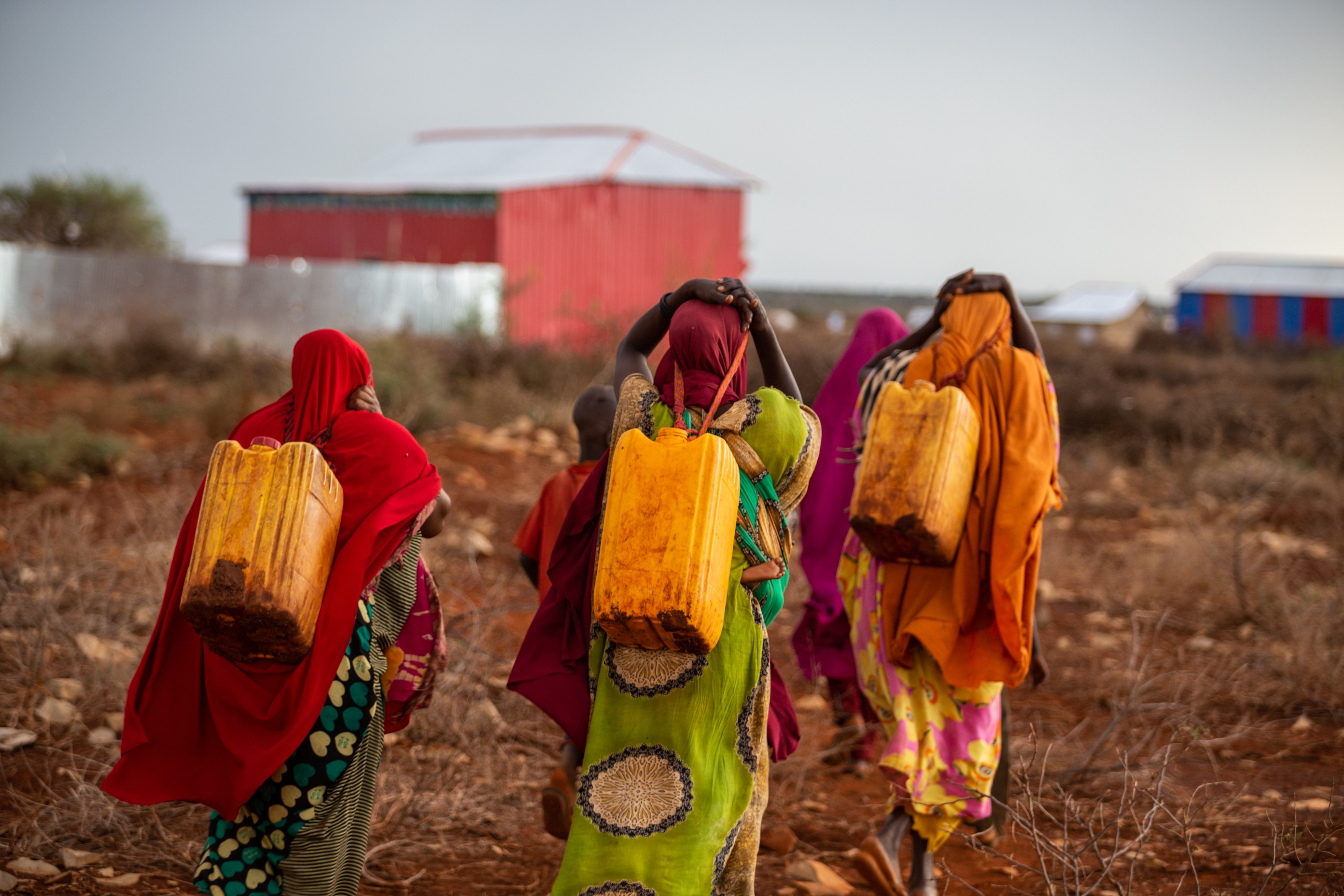
Zeynab Ibrahim, 38, a single mother from the area around Burhakaba in central Somalia, lost four of her 10 children to hunger and sickness caused by drought before she and her six surviving children were transported by truck to an IDP camp in the Kahda district of Mogadishu two months ago.
They live in a small hut made of sticks covered with old clothes and plastic. Ibrahim has received no support from the government or aid agencies since arriving.
Each morning she takes her children to Mogadishu’s Bakara market to beg, and they are lucky to get one meal a day. Adan Roble, 77, from a village near Janale town in the Lower Shabelle region, saw years of drought destroy his crops and dry his farmland.
Last month, rains created flooding that swept through the village while military drones flew overhead as government forces fought al-Shabaab nearby.
Roble had already been displaced two years earlier to an IDP camp in Afgoye town due to fighting. 5 million Somalis, nearly a third of the population, have been pushed to the brink of severe hunger. More than a million displaced people now live in informal settlements across Mogadishu.
9 million children under five are facing acute malnutrition, according to the latest integrated food security phase classification report. Nearly 500 nutrition clinics have closed because of a lack of funding. In the past three months, more than 700 children under five were admitted to Kismayo general hospital’s specialised facility, and 10 of them died, the International Committee of the Red Cross said.
UN humanitarian chief Tom Fletcher visited Somalia and spoke from a camp in Baidoa. ” The federal parliament’s mandate ended on 14 April and the president’s term expired on 15 May. Controversial amendments extended the terms, prompting opposition leaders including former president Sharif Sheikh Ahmed to accuse the government of President Hassan Sheikh Mohamud of illegally extending its mandate and seizing public and private land.