Dubai Monitors 200 Economic Indicators Daily Amid Iran Conflict and Port Disruptions
Dubai's economic leaders are monitoring 200 indicators daily to manage impacts from Iran's February missile strikes on the Gulf. CEO Hadi Badri said the city has engaged investors through webinars and created logistics alternatives amid port closures. Long-term targets under the D33 agenda remain unchanged, with foreign direct investment up 50% last year.
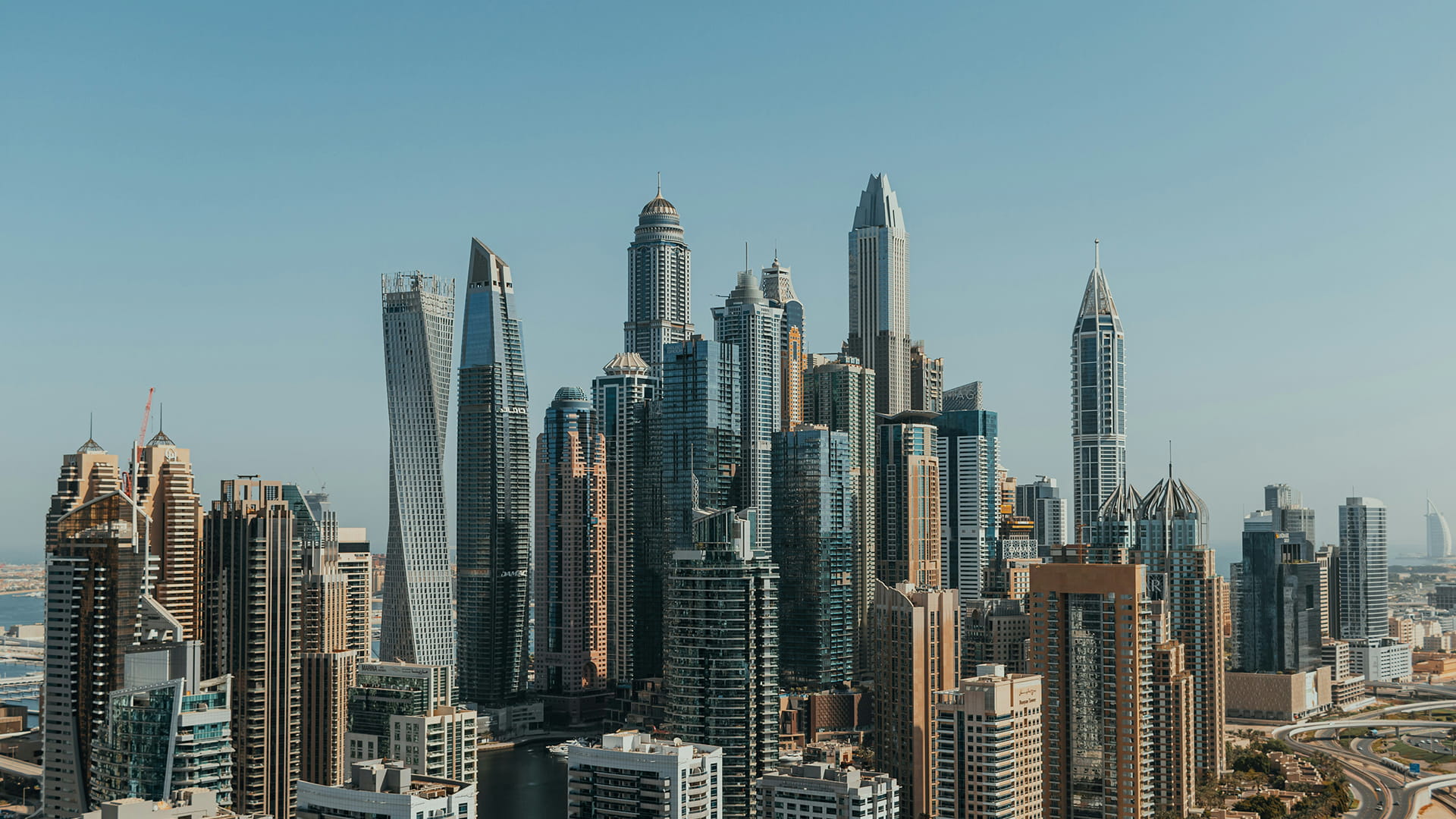
kr-asia.comIran launched missile and drone strikes against the Gulf on February 28, 2026, prompting Dubai to intensify economic monitoring and engagement efforts. In an interview on the sidelines of Semafor World Economy in Washington, DC, Hadi Badri described the response. His team tracks 200 economic indicators each day to detect early stresses in sectors like logistics and tourism.
Semafor reported that this data-driven approach helped Dubai address immediate challenges from the conflict. Dubai has long-term economic targets called D33 for 2033. The D33 agenda was set three years ago to achieve goals by 2033 for the 200th anniversary of the Al Maktoum family ruling Dubai.
Badri stated that D33 remains the city's North Star, with unchanged key performance indicators aimed at making Dubai a top three global city, doubling the economy size, increasing productivity, and becoming the world's leading talent hub. The government engaged with investors and businesses through webinars to explain the defense system and share economic data.
These sessions also captured input from participants, ensuring they felt heard amid the fluid situation. Dubai has four to six months of food supplies, a fact reiterated to residents for reassurance. Logistics champions in Dubai hold calls every 48 hours to coordinate responses.
Jebel Ali port is closed due to the conflict, but Dubai created a green corridor with Oman for products to enter and exit, helping maintain supply chains. There are fewer tourists coming into Dubai than before the conflict period, yet more tourists are entering than leaving. Maritime logistics volumes in Dubai have been reduced, while air cargo volumes have increased.
Emirates has invested over the past few years to double its air cargo capacity, enabling it to handle volumes shifted from sea routes. Dubai has over 100 projects in progress, with some being reprioritized but none of the D33 targets altered. Foreign direct investment was up 50% last year, which Badri cited as a sign of confidence.
Dubai's government debt is down 75% relative to levels during COVID, and its fiscal surplus is 4% of GDP. For every $100 Dubai spends, it collects $115, highlighting financial resilience. Badri noted that Dubai recovered fully from the global financial crisis in two years, and three years after recovering, it set a new high-water mark.
During COVID, Dubai's ports and airports remained open while others closed, proving business resilience. Badri drew lessons from past crises, saying, 'Out of every crisis, Dubai has emerged stronger. The analogy I like to use with the team is to say that Dubai was built from pressure and adversity.'
He highlighted leadership as Dubai's 'moat,' with decisions made in hours and a community that keeps building despite challenges. Dubai announced it is building a new $9 billion metro line this week, signaling continued investment. Some international coverage of wartime Dubai has been tinged with schadenfreude, but love letters from UAE-based journalists have provided an antidote.
A columnist for The National argued that trust in the government and the country’s resilience will outlast the skepticism.
Badri expressed optimism, stating that the conflict has strengthened rather than tarnished Dubai, with the community doubling down on support.
Key Facts
Story Timeline
6 events- 2026-04-24
Interview with Hadi Badri occurred on the sidelines of Semafor World Economy in Washington, DC.
1 sourceSemafor - 2026-04-24
Dubai announced it is building a new $9 billion metro line this week.
1 sourceSemafor - 2026-02-28
Iran launched missile and drone strikes against the Gulf.
1 sourceSemafor - 2023
D33 economic agenda was set three years ago for goals by 2033.
1 sourceSemafor - 2020-2022
Dubai's ports and airports remained open during COVID while others closed.
1 sourceSemafor - 2008-2013
Dubai recovered fully from the global financial crisis in two years and set a new high-water mark three years later.
1 sourceSemafor
Potential Impact
- 01
Continued projects like the $9 billion metro line could boost long-term infrastructure.
- 02
Reduced maritime logistics volumes could strain supply chains in Dubai.
- 03
Fewer incoming tourists might slow tourism revenue, though net inflow remains positive.
- 04
Increased air cargo may offset some trade disruptions, supporting food supplies.
- 05
Strong fiscal position may enable faster recovery post-conflict.
Transparency Panel
Related Stories
thehindu.comExplosion at China Fireworks Factory Kills 26 and Injures 61 in Hunan Province
An explosion at the Huasheng Fireworks Manufacturing and Display Company in Liuyang city, Hunan province, killed at least 26 people and injured 61 on Monday afternoon. Rescue operations have concluded, with authorities detaining company staff and halting all local fireworks produ…
972mag.comADL Audit: Antisemitic Incidents Drop 33% in 2025, But Physical Assaults Hit Record High and Three Killed
The Anti-Defamation League released its annual audit on May 6, 2026, documenting a sharp decline in overall antisemitic incidents across the United States during 2025. Physical assaults reached record levels with more than 300 victims and three deaths, the first such fatalities s…
citizen.co.zaMiddle East War Disrupts Global Supply Chains and Aviation Amid Diplomatic Efforts
The ongoing Middle East war has led to falling oil prices, plastic shortages in Asia, and minor flight cancellations in Hong Kong. Diplomatic talks continue, with China urging a ceasefire and the U.S. pausing ship escorts in the Strait of Hormuz. Various nations are addressing ec…