finance
Dubai Tourism Collapses as Gulf Airlines Resume Flights After UAE Reopens Airspace
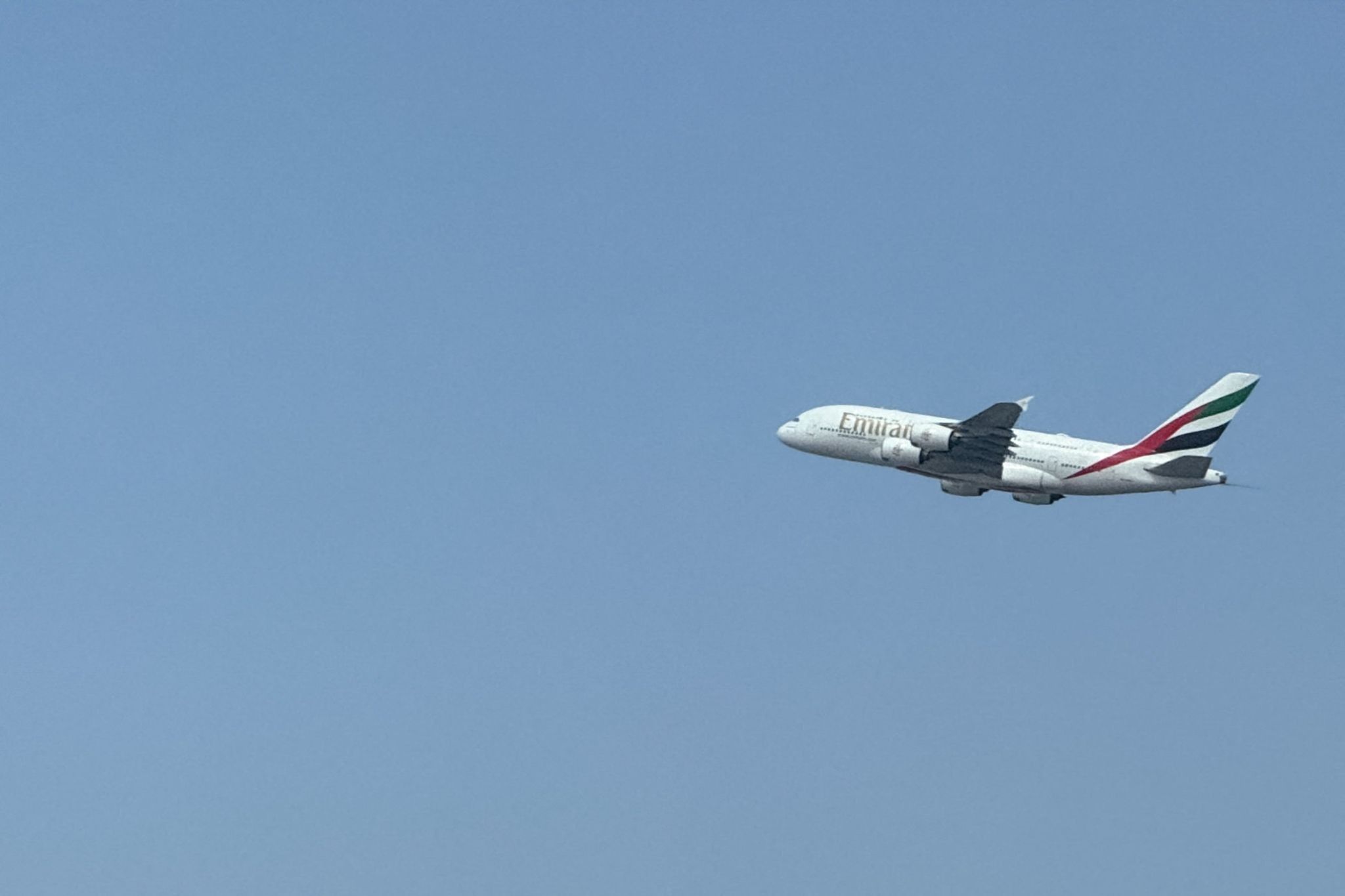
Emirates Airlines reported record profits for the year to March after recommencing 75% of its routes. UAE airspace fully reopened on May 2, 2026, while regional carriers Etihad and Qatar Airways run most of their prewar schedules. European carriers have suspended most routes and Dubai hotel occupancy has plunged from 80% in February to 10%, according to Moody’s.
May 7, 6:54 AM·1m read1 source
 Semafor
Audio version
Tap play to generate a narrated version.
Developing·Limited corroboration so far. This page will refresh as more sources emerge.
UAE airspace fully reopened on May 2, 2026, as flights via the Gulf continue to be restored while the Iran conflict remains quiescent. Emirates Airlines reported record profits in the year to March and said it had recommenced 75% of routes. Etihad and Qatar Airways are both running most of their prewar schedules.
European carriers have still suspended most routes even as regional airlines increase operations. Global airlines have cut about 2 million seats from their capacity for May, the Financial Times reported. Semafor reported the developments amid signs the conflict has quieted.
Dubai’s tourist sector has been devastated by the regional tensions. Hotel occupancy was at 80% in February 2026 but has fallen to 10% now, according to Moody’s. The sharp drop comes despite earlier buoyant performance in the sector.
Emirates Airlines’ record profits for the year ending in March reflect resilience in its core operations even as broader tourism suffers. The carrier’s decision to restart three-quarters of its network preceded the full reopening of UAE airspace by several weeks. Its local rival Etihad has similarly restored the bulk of flights.
Qatar Airways has maintained most of its prewar schedule in parallel with the UAE carriers. The coordinated regional recovery contrasts with the continued caution shown by European airlines, which have kept most routes suspended. Semafor reported that tourists are staying away from the region itself despite the restoration of air links.
The capacity cuts by global airlines total roughly 2 million seats for May alone. Those reductions reflect widespread uncertainty even as Gulf carriers push forward with schedule recovery. Dubai hotel figures tracked by Moody’s illustrate the uneven impact across the travel ecosystem.


