Options for Obtaining Uncovered Prescription Medications Under Health Insurance
Health insurance plans may not cover certain prescription medications, leaving individuals responsible for full costs. Options include discussing alternatives with health care professionals, requesting exceptions from insurers, and applying for assistance programs. These steps can help reduce out-of-pocket expenses for affected medications.
 Newsweek
Health insurance plans maintain a formulary, which is a list of covered medications. Medications on the formulary can be removed at any time if they are infrequently used, if generics or biosimilars become available, or if more affordable options exist. When coverage ends, individuals must pay the full cost despite having insurance for other prescriptions.
Newsweek reported on guidance from GoodRx, a platform for medication savings, regarding actions to take when a prescription is not covered. This situation can occur with new prescriptions or ongoing ones that lose coverage. Affected individuals may explore alternatives to manage costs.
Discussing Alternatives with Health Care Professionals Health care professionals focus on medical needs and may not be aware of formulary details or out-of-pocket costs.
Patients should inform their professionals about coverage changes or increased expenses. Professionals can suggest generics, biosimilars for biologics, or other medications that may be more affordable. If no suitable alternative is available, professionals may assist in other ways.
These include providing a 90-day prescription for cost comparison with monthly fills, advising on splitting higher-dose pills, or offering free samples of the medication.
Requesting Exceptions from Insurance Plans If alternatives are not viable, individuals can request a formulary exception from their insurer to cover the specific medication.
A physician typically submits a supporting statement, known as a letter of medical necessity, explaining the need and why alternatives are less effective or cause side effects. Some plans require step therapy prior to approval, which involves trying a lower-cost formulary medication first and demonstrating its ineffectiveness or side effects.
Even if the medication is on the formulary but in a higher tier or nonpreferred status, individuals can request a tier exception.
Approval of such exceptions lowers out-of-pocket costs. These processes apply to both new and previously covered medications.
Applying for Assistance Programs Patient assistance programs and manufacturer copay programs provide support for specific medications, especially costly brand-name ones not covered by plans.
These programs can reduce monthly out-of-pocket costs to zero for eligible individuals, regardless of insurance status. Patient assistance programs target uninsured or underinsured people facing unaffordable costs, while manufacturer copay programs are generally for those with commercial insurance. Such programs are often listed on medication manufacturers' websites.
Manufacturers may partner with related companies to administer these initiatives. Individuals should check eligibility criteria on these sites to apply. This guidance helps address coverage gaps in prescription plans.
Costs can vary widely, and exploring multiple options may be necessary. Consulting professionals and insurers ensures access to appropriate medications while managing expenses.
Potential Impact
- 01
Individuals may access medications through exceptions, reducing personal expenses.
- 02
More use of generics and biosimilars could lower overall prescription spending.
- 03
Assistance programs may increase enrollment among underinsured patients.
- 04
Health care professionals may adjust prescribing based on cost discussions.
Transparency Panel
Related Stories
 Nbc News
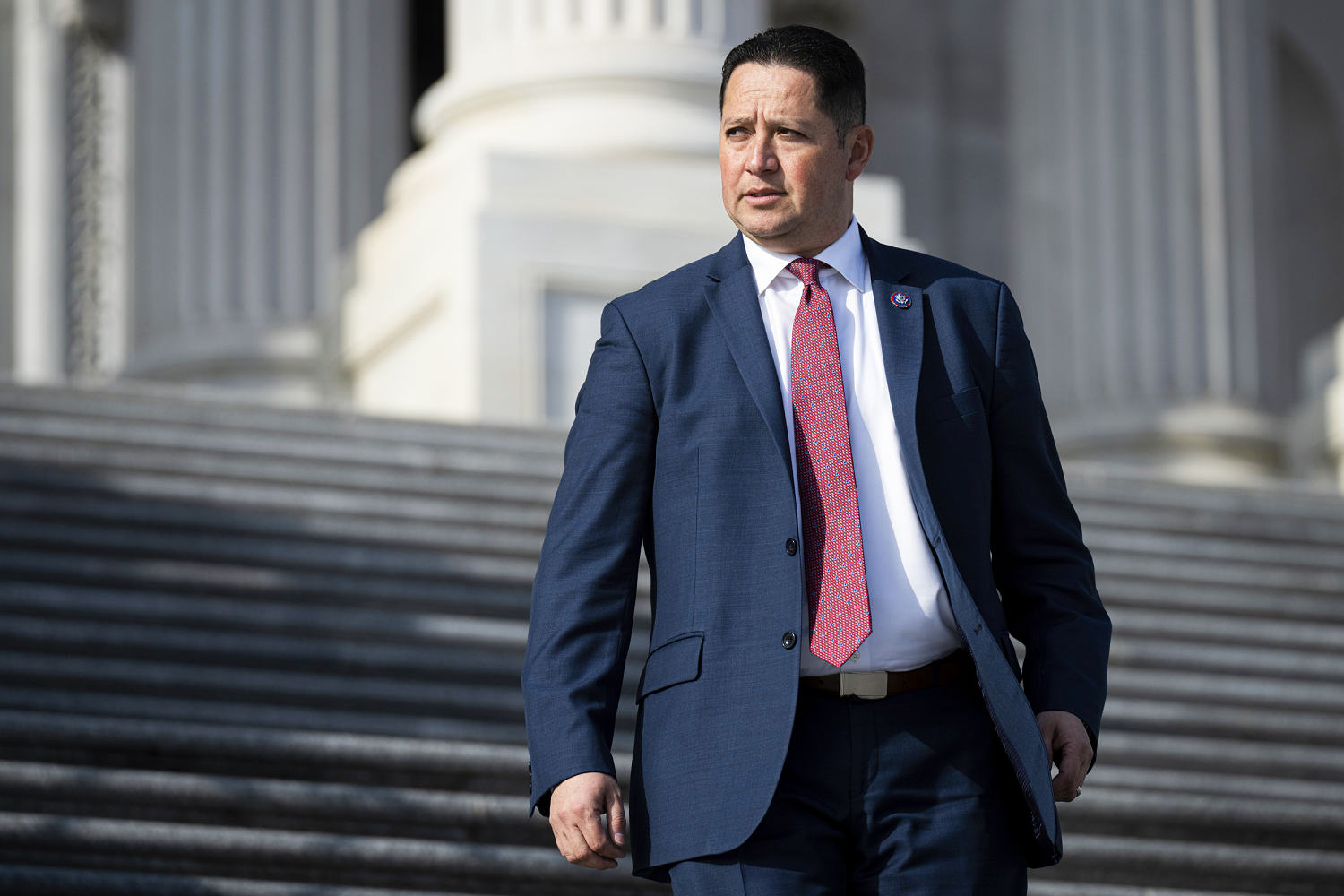
Rep. Tony Gonzales Announces Retirement from Congress Amid Ethics Probe Over Staffer Relationship
Rep. Tony Gonzales, R-Texas, announced on Monday that he will retire from Congress following a House Ethics Committee probe into his relationship with a former staffer who died by suicide. The announcement follows his decision last month to drop his re-election bid. Separately, R…
 reason.com
US Imposes Blockade on Strait of Hormuz Amid Tensions with Iran
President Trump has ordered a blockade of the Strait of Hormuz, with the measure coming into force as the United States blocks vessels doing business with Iran. Trump warned that Iranian fast attack ships approaching the blockade will be eliminated. TotalEnergies CEO Patrick Pouy…
 The Washington Post
Brazil's Former Intelligence Chief Alexandre Ramagem Detained by ICE in the United States
Alexandre Ramagem, Brazil's former intelligence agency chief and congressman, was arrested by U.S. Immigration and Customs Enforcement agents in Orlando. He had fled Brazil after his conviction for involvement in an alleged coup attempt with former President Jair Bolsonaro. The d…