science
Earth Storms Cannot Persist Indefinitely Due to Atmospheric Physics
Storms in the video game The Legend of Zelda can continue until a player completes specific quests. Real-world storms on Earth end because atmospheric processes restore balance between temperature and moisture.
May 18, 9:00 AM·2m read1 source
 Science News
Audio version
Tap play to generate a narrated version.
Storms in the video game The Legend of Zelda can continue until a player completes specific quests. Real-world storms on Earth end because atmospheric processes restore balance between temperature and moisture. Weather forecasts can get extreme in the land of Hyrule, in the Nintendo series The Legend of Zelda.
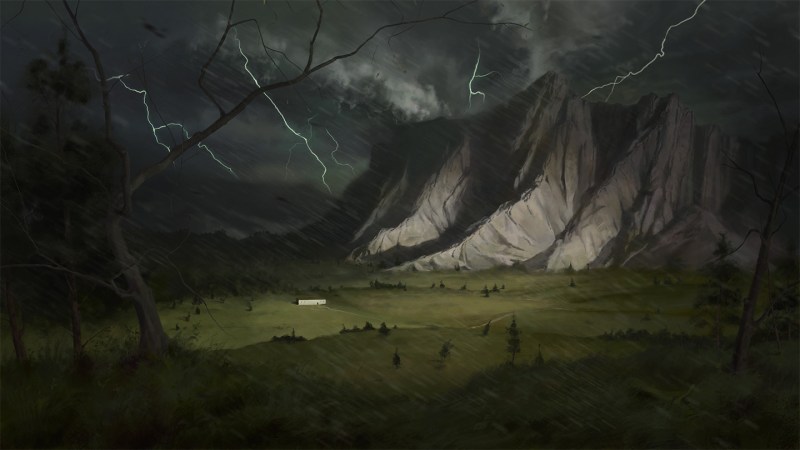
A downpour in the coastal province of Faron prevents Link, the game’s hero, from reaching Calora Lake. Constant lightning and rain threaten the skybound Thunderhead Isles. These storms end only once Link completes a series of quests.
Real storms cannot last forever, says Stephanie Spera, a physical geographer at the University of Richmond in Virginia. Storms result from imbalances between moisture and temperature. Thunderstorms help redistribute heat, moisture and electrical charges.
The whole purpose of anything in weather is to get the atmosphere back in balance, says meteorologist Chris Vagasky of the Wisconsin Environmental Mesonet. To fuel constant thunderstorms, such imbalances would have to persist. Earth’s atmospheric physics ensures that even the strongest storms eventually fade away.
Constant thunderstorms would need ongoing supplies of storm ingredients, Vagasky says. You would need a persistent conveyor belt of warm, moist air and heat, maybe 24-hour sunlight. As rising warm air condenses into cloud-forming droplets, then cooling rain and downward winds, the cycling would refuel the storm.
Even if a storm could sustain its internal energy, it could not stay stationary forever, because Earth’s atmosphere is in constant motion. Jet streams move weather across continents. Wind patterns can also increase how long storms last and even force them to hang out in one place for a bit.
In August 2017, Hurricane Harvey stalled over Houston for about four days. Fueled by warm coastal waters, some areas received nearly 130 centimeters of rain before the storm moved inland and broke up. Earthly cyclones die when they make landfall, face windshear or reach colder water at higher latitudes.