East Asian Nations Divided in Preferences Between US and China, Survey Indicates
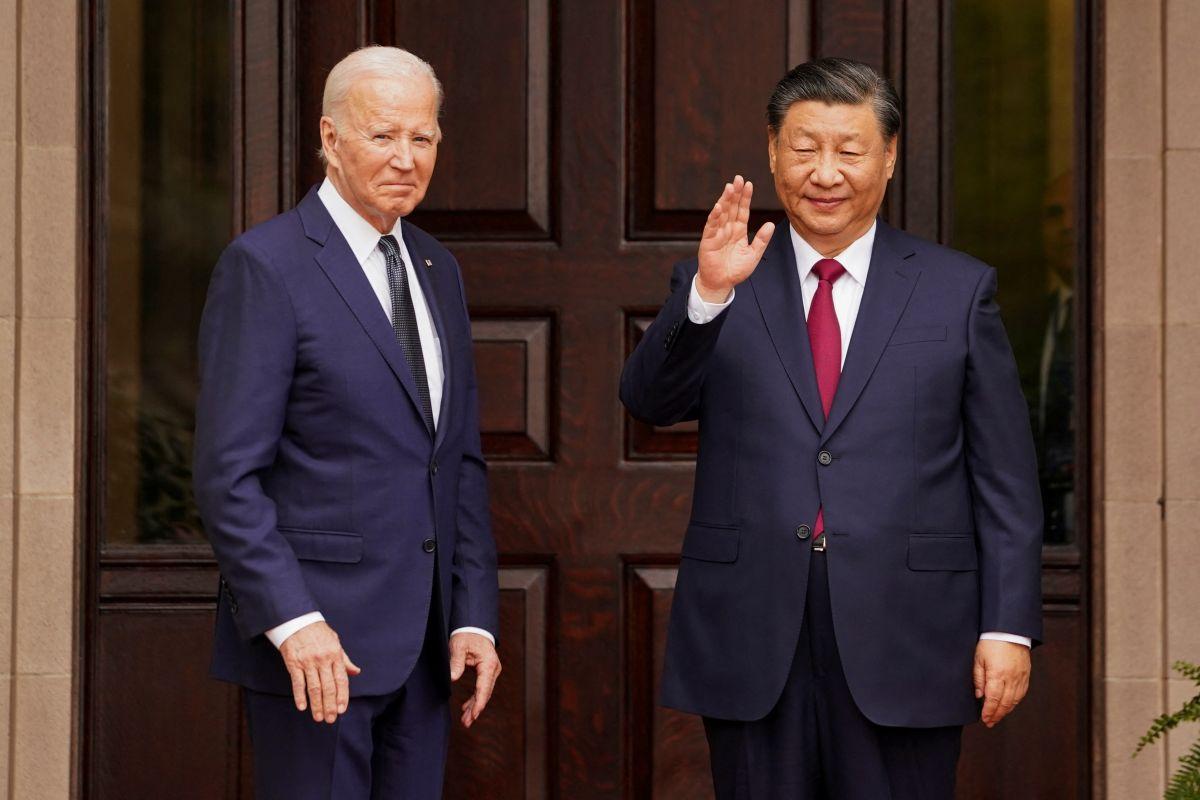
A recent survey of Southeast Asian opinion leaders shows a split in preferences between aligning with the United States or China. Countries like Indonesia and Malaysia favor China, while the Philippines and Vietnam lean toward the U.S. Experts attribute these divisions to geography, history, and economic factors.
rediff.comThe ISEAS-Yusof Ishak Institute released its annual report earlier this month, surveying approximately 2,000 opinion leaders and elites in the Association of Southeast Asian Nations. The report found that 52% preferred China over the U.S. if forced to choose, with preferences varying by country.
Countries favoring China included Indonesia at 80.1%, Malaysia at 68%, Singapore at 66.3%, Timor-Leste at 58.2%, Thailand at 55%, and Brunei at 53.5%. Those favoring the U.S. included the Philippines at 76.8%, Myanmar at 61.4%, Cambodia at 61%, and Vietnam at 59.2%.
Laos showed an even split.
A director at the Stimson Center stated that geography and history explain these groupings. She noted that mainland Southeast Asian countries, despite past communist ties, tend to favor the U.S., while maritime countries lean toward China due to economic engagements such as trade and infrastructure development.
The director added that in mainland Southeast Asia, China's political dominance has led to pushback, with survey respondents identifying domestic interference as a key concern regarding China.
A research paper from Waseda University, published on Tuesday, indicated that Wolf Warrior Diplomacy has reinforced adherence to democratic systems and damaged China's reputation in Japan, South Korea, and Taiwan.
“Our results show that ‘Wolf Warrior’ messaging may fail to win public support and can even damage the sender’s reputation. In addition, it highlights that democratic values in East Asia remain resilient, even when exposed to forceful anti-democratic rhetoric." — Professor Tetsuro Kobayashi U.S. support for Israel in the Gaza conflict has affected its popularity in majority-Muslim countries like Indonesia and Malaysia, according to the director. Thailand's shift toward preferring China in the 2026 survey, compared to 2025, relates to its historical strategy of balancing powers to maintain independence, as it was never colonized.”
Developments Under Current U.S.
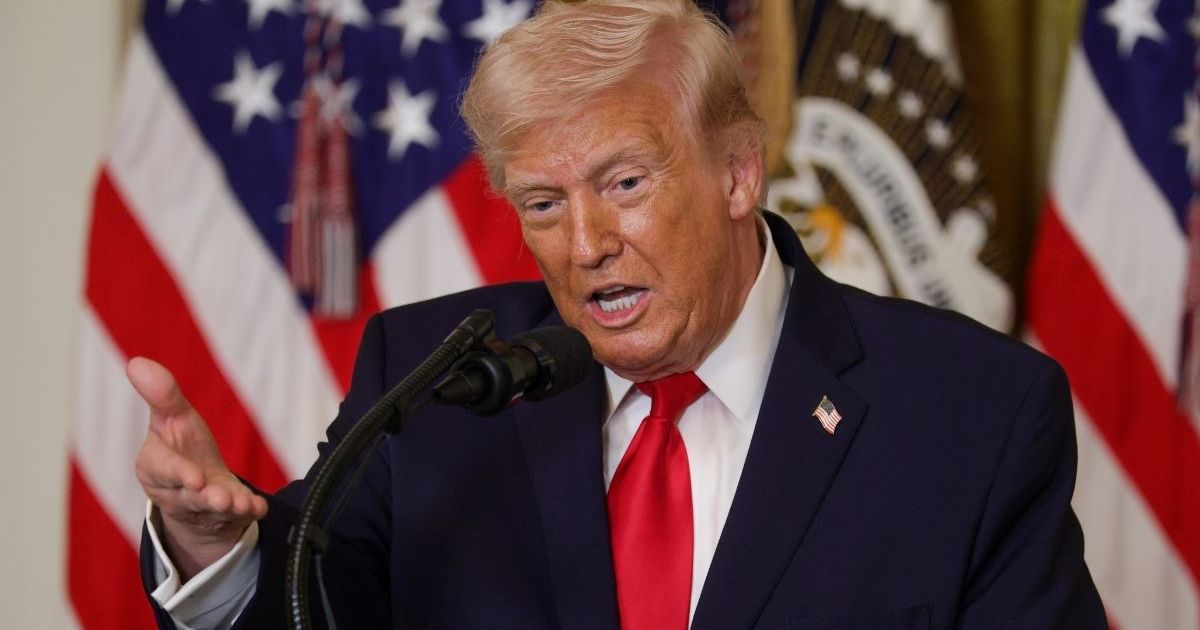
and China has seen some de-escalation, though not completely, the director said. She noted that regional countries have become more committed to their existing alignments. China attempted to draw U.S. allies like South Korea and Japan closer during the initial months of Trump's term but did not succeed, according to the director.
She attributed this to China's assumption that U.S. support for allies might weaken, prompting those countries to rebalance toward China without additional incentives from Beijing.
Key Facts
Story Timeline
5 events- Earlier this month (April 2026)
The ISEAS-Yusof Ishak Institute published its annual report showing Southeast Asian preferences split between the U.S. and China.
1 sourceWashington Examiner - Tuesday (2026-04-28)
A Japanese research team from Waseda University published a paper on the negative effects of China's 'Wolf Warrior Diplomacy' in Japan, South Korea, and Taiwan.
1 sourceWashington Examiner - 2026
Thailand shifted to favoring China in the ISEAS survey, compared to its position in 2025.
1 sourceWashington Examiner - First few months of 2025
China attempted to draw U.S. allies South Korea and Japan closer but did not succeed, following Trump's inauguration.
1 sourceWashington Examiner - January 2025
President Donald Trump was inaugurated, marking his return to power.
1 sourceWashington Examiner
Potential Impact
- 01
Southeast Asian countries may strengthen economic ties with China, increasing trade and infrastructure projects in maritime nations.
- 02
U.S. alliances with Japan, South Korea, and Taiwan could solidify further due to perceptions of Chinese diplomatic aggression.
- 03
Mainland Southeast Asian nations might seek closer security cooperation with the U.S. to counter Chinese political influence.
- 04
U.S. popularity in Muslim-majority countries like Indonesia and Malaysia may continue to decline over foreign policy stances.
- 05
Regional diplomatic stability could improve as countries commit to existing alignments post-Trump's inauguration.
Transparency Panel
Related Stories
BBC NewsTrump Meets Advisers to Decide on Iran Ceasefire Extension
President Trump said he is holding a Situation Room meeting to make a final decision on a possible deal with Iran. The proposed agreement would extend the ceasefire by 60 days and reopen the Strait of Hormuz.
Trump to Decide on Iran Deal in Situation Room Meeting
President Trump said Friday he is heading into the Situation Room to make a final determination on a potential agreement with Iran. The proposed deal would reopen the Strait of Hormuz without tolls and require destruction of Iran's highly-enriched uranium.
benzinga.comVietnam Clears Graves for Trump Organization Project in Hung Yen Province
Farmers in Hung Yen province are exhuming family graves to make way for a $1.5 billion Trump Organization development that includes hotels, villas and a golf course. The project, approved last year, has drawn local resistance over compensation levels and relocation of remains.