Echinococcus multilocularis Found in 37 of 100 Coyotes Sampled Near Puget Sound
University of Washington researchers report the first detection of the fox tapeworm in West Coast wildlife. The study found a European variant now dominant in North America.
 Fox News
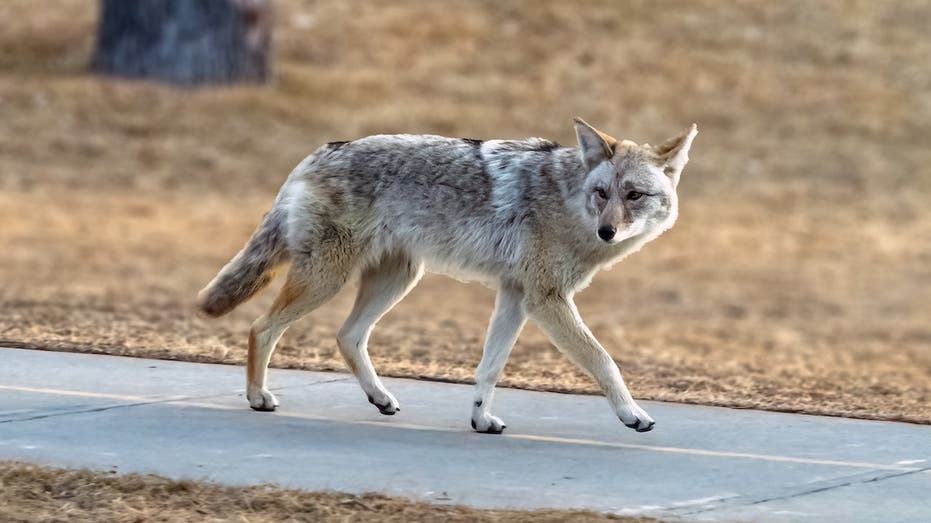
University of Washington researchers detected Echinococcus multilocularis in 37 of 100 coyotes sampled near Puget Sound in Washington State. The findings, published in PLOS Neglected Tropical Diseases earlier this year, mark the first recorded presence of the parasite in West Coast wildlife.
Lead author Yasmine Hentati, who recently graduated from the University of Washington with a doctorate in environmental and forest science, said the high infection rate stems from coyotes regularly eating raw rodents.
U.S. and Canada. Prior to the 2010s, the parasite was extremely rare in North America, with cases largely confined to remote islands in Alaska, the study authors said.
U.S. and Canada. Cases in coyotes have been spreading west from the upper Midwest for several years, and infected animals have now been found on the West Coast, according to Dr.
Linda Yancey, an infectious disease specialist at Memorial Hermann in the Houston area. Most human echinococcosis cases continue to be diagnosed in patients who immigrated from or traveled to Central and East Asia, the Middle East, and North Africa, Yancey said. Western China remains the area with the highest worldwide prevalence of human infections.
The tapeworm cycles among wild canids, typically moving from foxes to rodents and back to foxes, Yancey told Fox News Digital. Humans can become infected by accidentally ingesting worm eggs after handling contaminated soil or eating contaminated food, or by handling an infected pet and then touching their mouth.
Researchers noted that the presence of the parasite in wildlife does not mean human infections are common and that the risk to the general public remains low.