science
Eli Lilly Leads $100 Million Round in AI Drug Developer Absci
Eli Lilly participated in a $100 million stock offering for Absci, an AI-focused drug company. The investment targets development of an injectable antibody for hair loss and endometriosis.
 Fortune
Audio version
Tap play to generate a narrated version.
Developing·Limited corroboration so far. This page will refresh as more sources emerge.
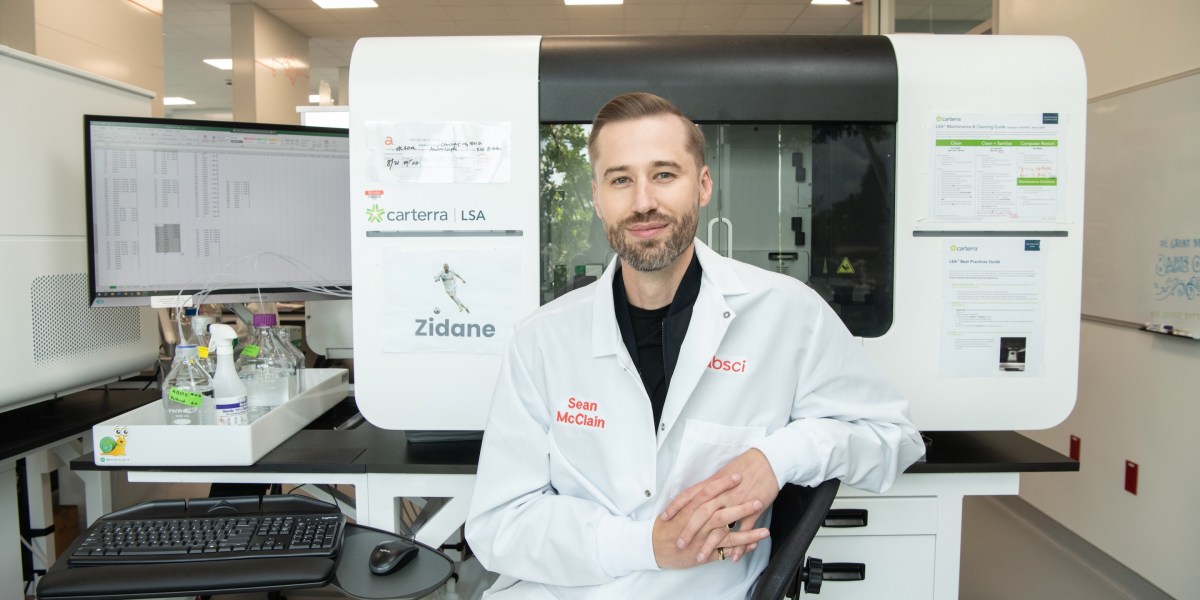
Eli Lilly led a $100 million stock offering in Absci, a company that uses generative AI for drug design. The pharmaceutical company contributed $40 million to the round. Other investors in the offering included Adage, BVF Partners, Columbia Threadneedle, Invus, and Redmile. The transaction closed last week.
Absci developed ABS-201, an injectable antibody designed to target the prolactin receptor. The candidate is intended to treat androgenetic alopecia and endometriosis. No approved injectable antibody currently exists for either condition. Absci released positive Phase 1 safety data for ABS-201 on the same day the Lilly-led round closed.
The broader injectable drug market is valued at $650 billion in 2026. GLP-1 products alone are projected to reach $190–$200 billion by 2030. Absci's chief executive stated the investment provides the company proximity to Lilly's direct-to-consumer platform.
The same executive noted potential future combination of the antibody with GLP-1 compounds. Absci aims to reduce drug development costs from $150 million to $15–$20 million by combining AI design with clinical trials conducted in China.