Unbiased AI-powered news
Byron Trott's initiative has grown to 32 member institutions including Brown, Columbia, Dartmouth, MIT, Stanford and Yale. More than 90,000 rural students applied last year, a 15 percent increase. Amherst College admitted 119 rural applicants this year after joining the network.
nypost.comByron Trott invested $20 million three years ago to start the STARS College Network aimed at recruiting rural students to selective colleges. His foundation has since injected another $150 million into the effort, which has expanded from 16 member schools to 32. Member institutions now include Brown, Columbia, Dartmouth, MIT, Stanford and Yale.
More than 90,000 rural students applied to STARS member institutions last year, an increase of 15 percent over the year before. More than 1,000 rural students took advantage of campus visit opportunities at those schools. At Amherst College, admitted students and their families gathered around a fire pit on campus, building s'mores as part of a two-day visit to encourage enrollment.
"This is our test of how rural you are," Amherst's assistant dean of admissions Nathan Grove joked as he lit the logs for the group. " Hancock had beaten 1-in-13 odds to gain admission and was deciding whether to attend. Amherst admitted 96 students from small towns and rural areas last year, up from 70 the year before it joined STARS.
The college accepted 119 rural applicants this year. The proportion of rural students at Amherst increased from 6 percent to 11 percent. 9 billion endowment and a campus of about 1,900 students.
Its president, Michael Elliott, said rural students bring perspectives and experiences that enrich campus discussions in a polarized time. , helped start a rural student support group after noticing classmates from private Northeastern schools arrived with stronger academic preparation and networks. Byron Trott is a Missouri-born alumnus and trustee of the University of Chicago.

When he attended, only 3 percent of students there were from rural backgrounds. Nearly a quarter of the American population is rural, Trott has noted.
U.S. Department of Education. A little more than half of those graduates go straight to college, the National Student Clearinghouse Research Center reports. That compares with nearly 60 percent of urban high school graduates and 63 percent of suburban ones.
The proportion of rural Americans 25 and older with associate degrees or higher is about a third. Nearly half of Americans 25 and older in cities and suburbs hold such degrees.
U.S. Department of Agriculture. Fewer than half of people in their teens and 20s in rural areas are hopeful they will find good jobs, a Gallup survey found. In Chugiak, Alaska, the high school has a 91 percent graduation rate but only 48 percent of graduates go on to college, state figures show.
Olivia Meier, a college-bound senior from Chugiak, said cost and self-doubt often hold back her peers. " The network's work now focuses on ensuring rural students not only enroll but also graduate. Amherst and other member schools cover costs for rural applicants to visit campuses, attend classes and stay overnight.
Rural students remain more likely to drop out than urban or suburban classmates once enrolled. Many face homesickness and a sense they do not belong on selective campuses. Some rural families also view elite colleges with distrust, believing they may negatively affect students' values.
Hancock's mother ordered the smallest possible decal of his brother's private college logo to avoid drawing attention in their Pennsylvania town. "That's a rural cultural idea, that you don't want to put yourself better than anybody," she said. Catherine Colberg, another admitted rural student from St.
Compared hometown sizes with peers while making s'mores at the Amherst fire pit and noted her high school shared a single test tube.
Single source — no framing comparison available.
insurancejournal.comPreliminary data show every vessel that transited the waterway on July 12 did so without active tracking signals. Dark crossings have outnumbered observable passages in recent days as attacks reshape routes.
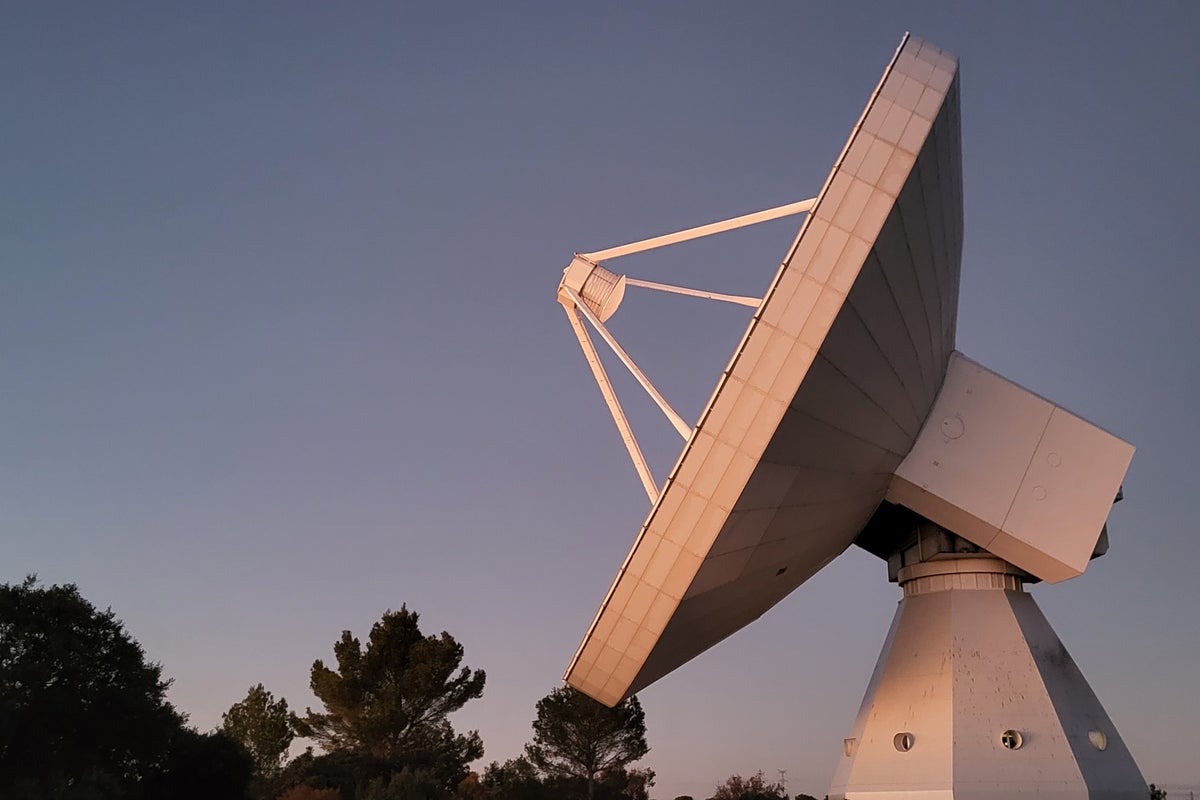
The IndependentResearchers identified the four-carbon sugar erythrulose in gas cloud G+0.693-0.027 using two Spanish radio telescopes. The finding adds to evidence that complex organic molecules form in interstellar space before stars and planets.
YonhapSK Innovation and S-Oil shares climbed more than 5 percent on July 13 after Russia halted diesel exports. The move followed Ukrainian attacks on Russian refineries and tightened global supplies.