finance
Energy Department projects 90 gigawatts of enhanced geothermal by 2050
The Department of Energy estimates enhanced geothermal systems could generate 90 gigawatts of electricity by 2050, enough to power at least 65 million homes. Recent drilling advances adapted from oil and gas operations have expanded viable sites beyond traditional geothermal regions.
Jun 25, 5:00 PM·1m read1 source
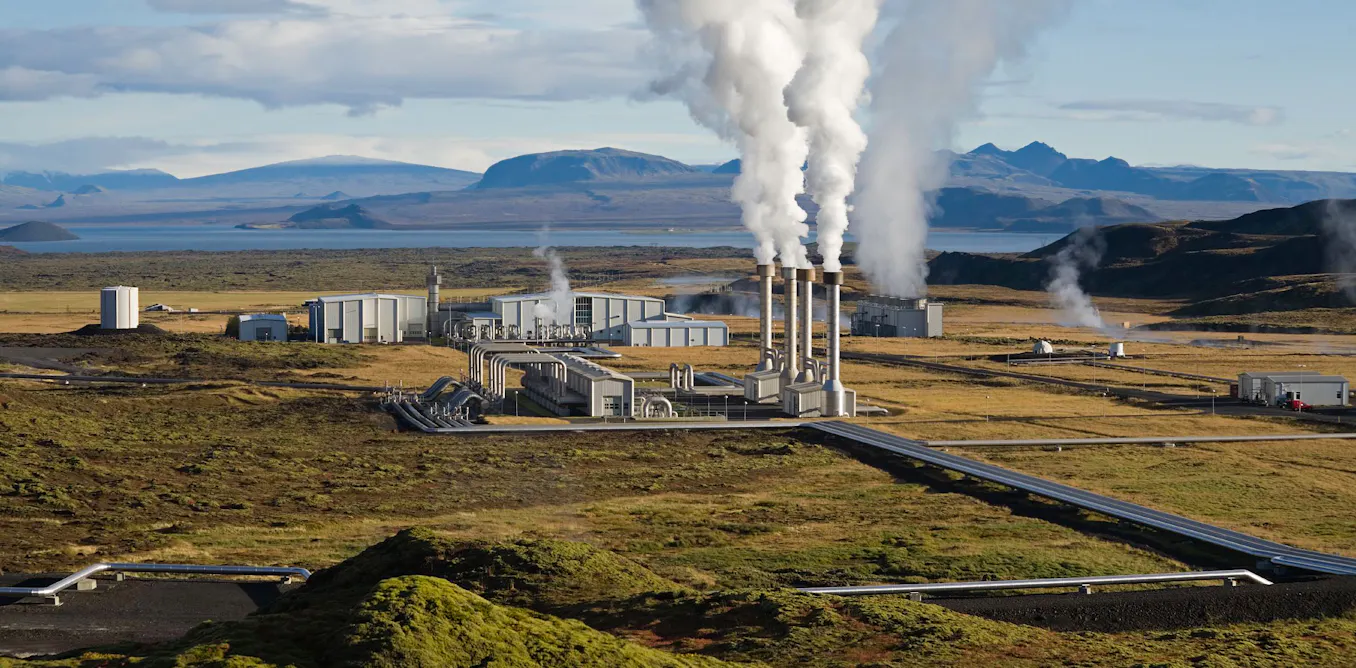 theconversation.com
Audio version
Tap play to generate a narrated version.
Developing·Limited corroboration so far. This page will refresh as more sources emerge.
The Department of Energy projects that enhanced geothermal systems could deliver 90 gigawatts of carbon-free electricity by 2050, sufficient to serve at least 65 million homes. Drilling techniques adapted from hydraulic fracturing now allow geothermal wells to reach hot rock formations in locations without natural surface heat sources such as geysers.
Startups including Birch Geothermal apply reservoir-management methods from the oil and gas sector to maintain steady output from these wells.
Geothermal energy currently supplies a small share of electricity because earlier systems required specific geological conditions. New drilling methods make the resource accessible in most regions, though high upfront installation costs remain a barrier.
Geothermal plants produce continuous power without emissions and operate independently of weather conditions that affect solar and wind generation.
Taff, chief executive of Sage Geosystems, stated in February 2025 that geothermal development would accelerate in the coming decade. The Department of Energy assessment released on June 25, 2026, supports that outlook with updated capacity projections. >"It’s going to be the decade of geothermal." — Cindy Taff (OilPrice.com)


