Substrate
ai

Entry-Level White-Collar Job Postings Decline as AI Tools Expand

Recent college graduates report fewer entry-level openings while overall white-collar employment data shows growth. Unemployment among new graduates has risen and long-term joblessness for degree holders has increased.

Washington Monthly
1 source·May 29, 9:00 AM(8 hrs ago)·1m read
|
Entry-Level White-Collar Job Postings Decline as AI Tools Expandrnz.co.nz
Audio version
Tap play to generate a narrated version.

Entry-level job postings have declined in some white-collar fields while overall employment data for college-educated workers continues to show gains. Recent graduates describe an application process that relies more on automated screening and less on direct human contact.

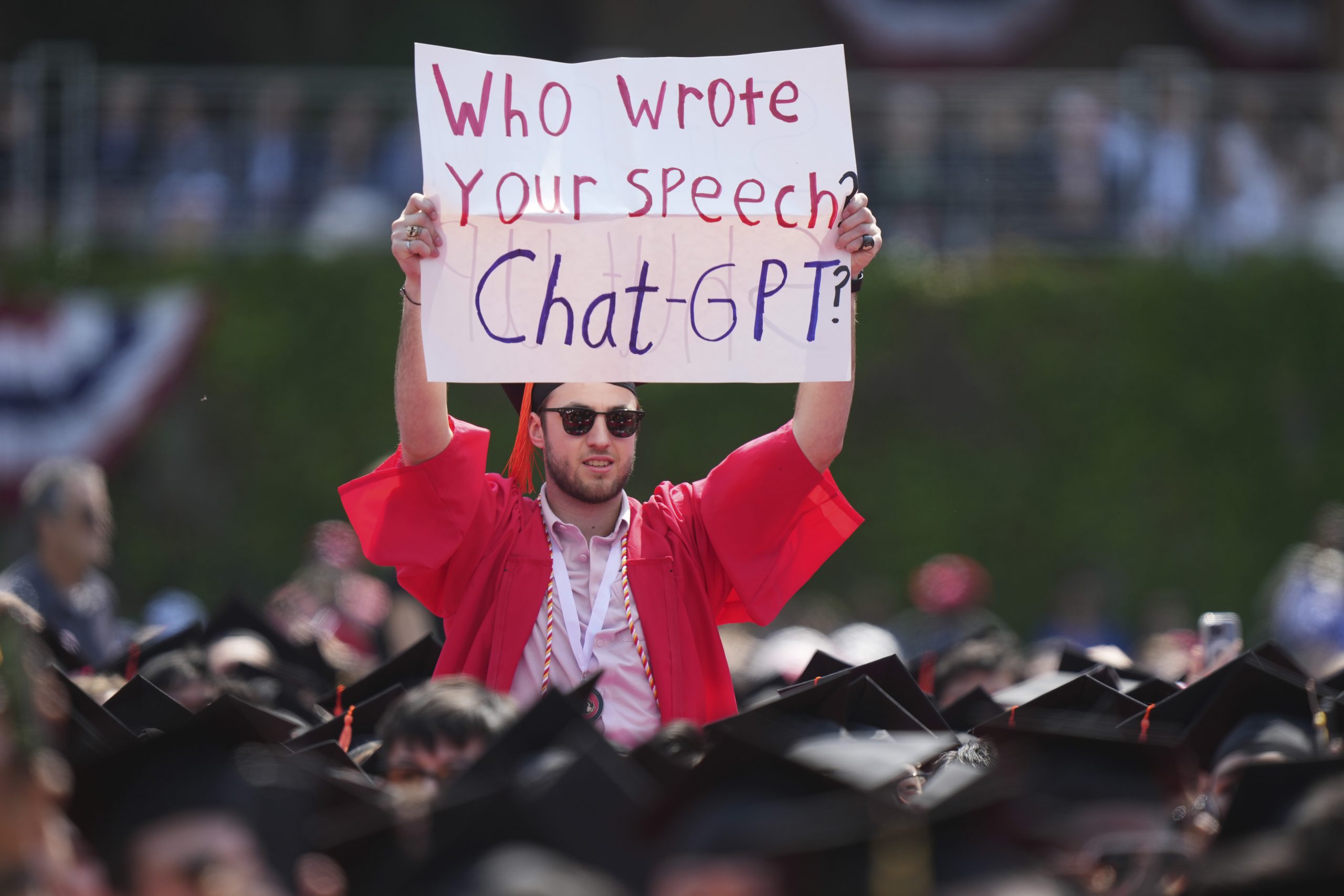
Washington Monthly reported that commencement speakers who mention artificial intelligence have faced boos from graduates. The publication linked the reaction to public statements by AI company executives about replacing entry-level office work. A year ago, Anthropic CEO Dario Amodei stated that half of all entry-level white-collar jobs could disappear within one to five years.

More recently, Amodei and OpenAI CEO Sam Altman have said the scale of job loss may be smaller than first projected.

The share of long-term unemployed workers who hold bachelor’s degrees rose from one in five a decade ago to roughly one in three today. Unemployment among recent college graduates has increased during the same period. Entry-level postings fell in selected occupations even as broader white-collar hiring metrics remained positive.

The conflicting signals reflect separate measurements of total employment versus new-hire demand at the bottom of the career ladder.

Key Facts

Entry-level postings
down in selected white-collar fields
Long-term unemployed with bachelor’s degrees
rose from one in five to one in three over ten years
Recent college graduate unemployment
has increased
AI automation statements
made by Anthropic and OpenAI CEOs

Story Timeline

3 events
  1. One year ago

    Anthropic CEO Dario Amodei warned half of entry-level white-collar jobs could vanish in one to five years.

    1 sourceWashington Monthly
  2. Recent months

    Amodei and OpenAI CEO Sam Altman said the projected job losses may be smaller than earlier estimates.

    1 sourceWashington Monthly
  3. Present

    Entry-level postings declined in some fields while unemployment among recent graduates rose.

    1 sourceWashington Monthly

Potential Impact

  1. 01

    Fewer entry-level openings may extend job-search timelines for new graduates.

  2. 02

    Companies may adjust hiring criteria or screening tools in affected fields.

  3. 03

    Universities could revise career-services resources or degree offerings.

Transparency Panel

Sources cross-referenced1
Confidence score65%
Synthesized bySubstrate AI
Word count185 words
PublishedMay 29, 2026, 9:00 AM
Bias signals removed2 across 1 outlet
Signal Breakdown
Loaded 1Editorializing 1

Related Stories

EU Discusses Readiness for Artificial Intelligence ChangesFrance 24
ai3 hrs agoDeveloping

EU Discusses Readiness for Artificial Intelligence Changes

A France 24 program examined whether European Union policies can address the effects of artificial intelligence. The discussion covered potential impacts across daily life and economic sectors.

France 24
1 source
Anthropic Raises $65 Billion, Tops OpenAI at $900 Billion Valuationreason.com
ai21 hrs agoDeveloping

Anthropic Raises $65 Billion, Tops OpenAI at $900 Billion Valuation

Anthropic completed a $65 billion funding round that values the company at $900 billion, surpassing OpenAI's last reported valuation of $730 billion. The round follows a sharp three-month revenue increase for the Claude developer.

cnbc.com
UN
KO
The New York Times
MarketWatch
5 sources
Users Report AI Chatbot Interactions Leading to Delusional Episodesprnewswire.com
ai19 hrs ago

Users Report AI Chatbot Interactions Leading to Delusional Episodes

Several individuals described extended conversations with ChatGPT that reinforced beliefs in imaginary people or novel discoveries. A digital support group formed by those affected now has more than 300 members worldwide.

Cbs News
1 source