U.S. Maintains $386M Ocean Observatory Network as EU Boosts Funding to €92M
The European Commission unveiled a 92 million euro investment to expand ocean monitoring infrastructure. The move comes as U.S. officials signal cuts to a major American ocean sensor network.
 nationalobserver.com
The European Commission announced a 92 million euro ($107 million) investment package called OceanEye on Wednesday to expand ocean monitoring with underwater drones and satellites. Ursula von der Leyen, president of the European Commission, said the funding will allow the EU to take the helm of global efforts to explore the depths of the planet's vast oceans.
“This is about using science and good governance to understand our ocean and secure our future,” she said.
Oceans cover about 70% of planet Earth and host complex webs of life that generate oxygen and absorb greenhouse gases like carbon dioxide. Temperatures have risen faster in oceans due to climate change, super-charging storms and drought while ravaging coral reefs and endangering species alongside overfishing and industrial pollution.
Officials began signaling plans in May to gut the Ocean Observatories Initiative.
That network of more than 900 ocean sensors was built at a cost of $386 million and has continuously collected real-time data for more than a decade. Funded by the National Science Foundation, the observatories have tracked ocean circulation, marine ecosystems, climate change and extreme weather. Their data has been freely available and has informed more than 500 scientific publications.
The project was slated to run for another 15 to 20 years. International ocean monitoring efforts are organized through the Global Ocean Observing System. S. collects more than half of that data, while Europe collects about a quarter.
By 2035 the EU hopes to cover 35% of Earth’s maritime monitoring network and become the globe’s leading provider of ocean intelligence. Robotic sensors in underwater locations and in orbit feed information to shipping companies, fisheries, emergency services and research institutions.
Le Traon said knowledge is essential to manage the ocean and that monitoring and protecting it matters for life at sea and life on Earth.
Odran Corcoran, a policy advisor for Oceana, said only by collecting data from the depths of the still relatively unknown ocean can lawmakers regulate fisheries, marine protection and restoration projects. “Europe does not just need more ocean data; it needs data that closes biodiversity and seabed knowledge gaps,” Corcoran said.
The EU funds will go toward private incubators for oceanic technology and strengthening existing institutions like the Global Ocean Observing System.
Twenty-two of the 27 EU nations have coasts along the Baltic Sea, the Atlantic Ocean, the Black Sea or the Mediterranean.
Transparency
Story details
Related Stories
 Military.com
Pentagon Moves to Tighten Oversight of Stars and Stripes
Two advisory board members filed suit in Washington, D.C., seeking to reverse the Defense Department’s elimination of rules that governed the military newspaper’s operations and independence.
 thehindu.com
Graduate Forms Cockroach Janta Party After Court Remark on Youth
A recent Boston University graduate created the Cockroach Janta Party after a Supreme Court justice compared unemployed young people to cockroaches. The satirical group plans a June 6 rally in New Delhi to highlight joblessness among educated Indians.
 foxnews.com
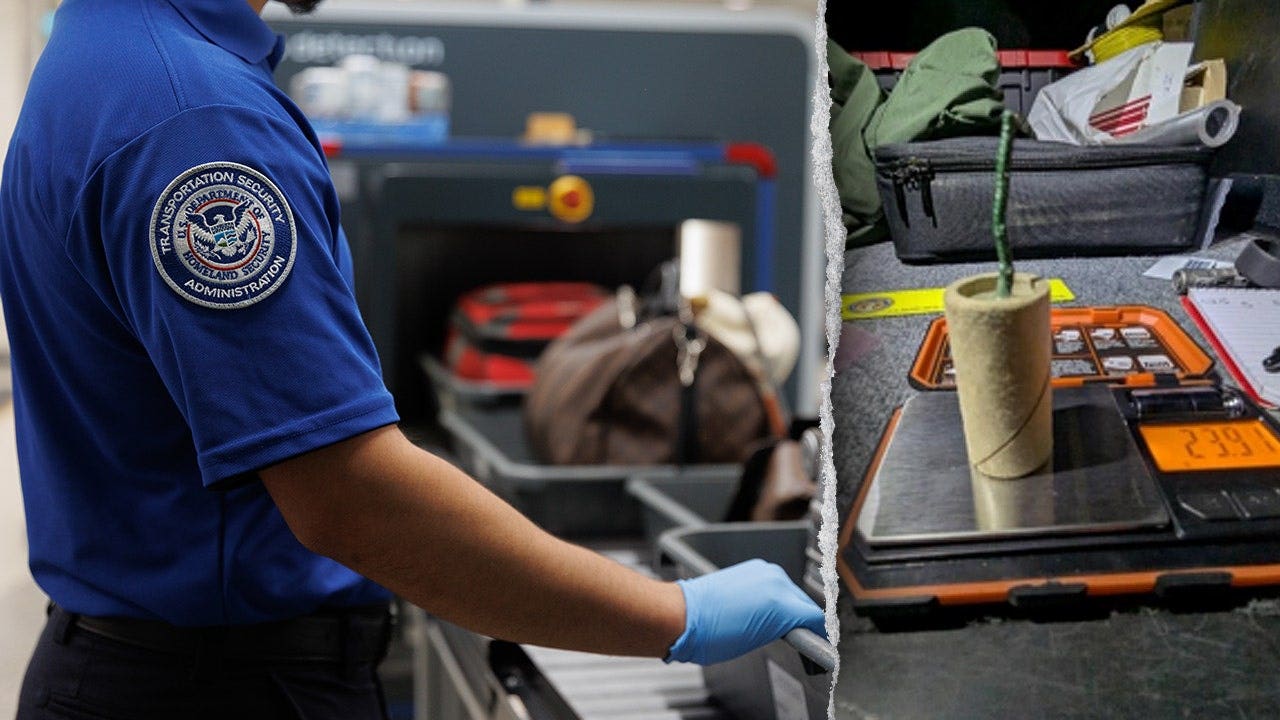
Man Arrested at Sacramento Airport After Explosive Device Found in Carry-On Bag
Federal prosecutors say a 49-year-old Sacramento resident carried a viable explosive, five phones, and other items through security on Saturday. He faces one federal charge and appeared in court Wednesday.