EU Bars Airlines From Adding Fuel Surcharges After Ticket Purchase
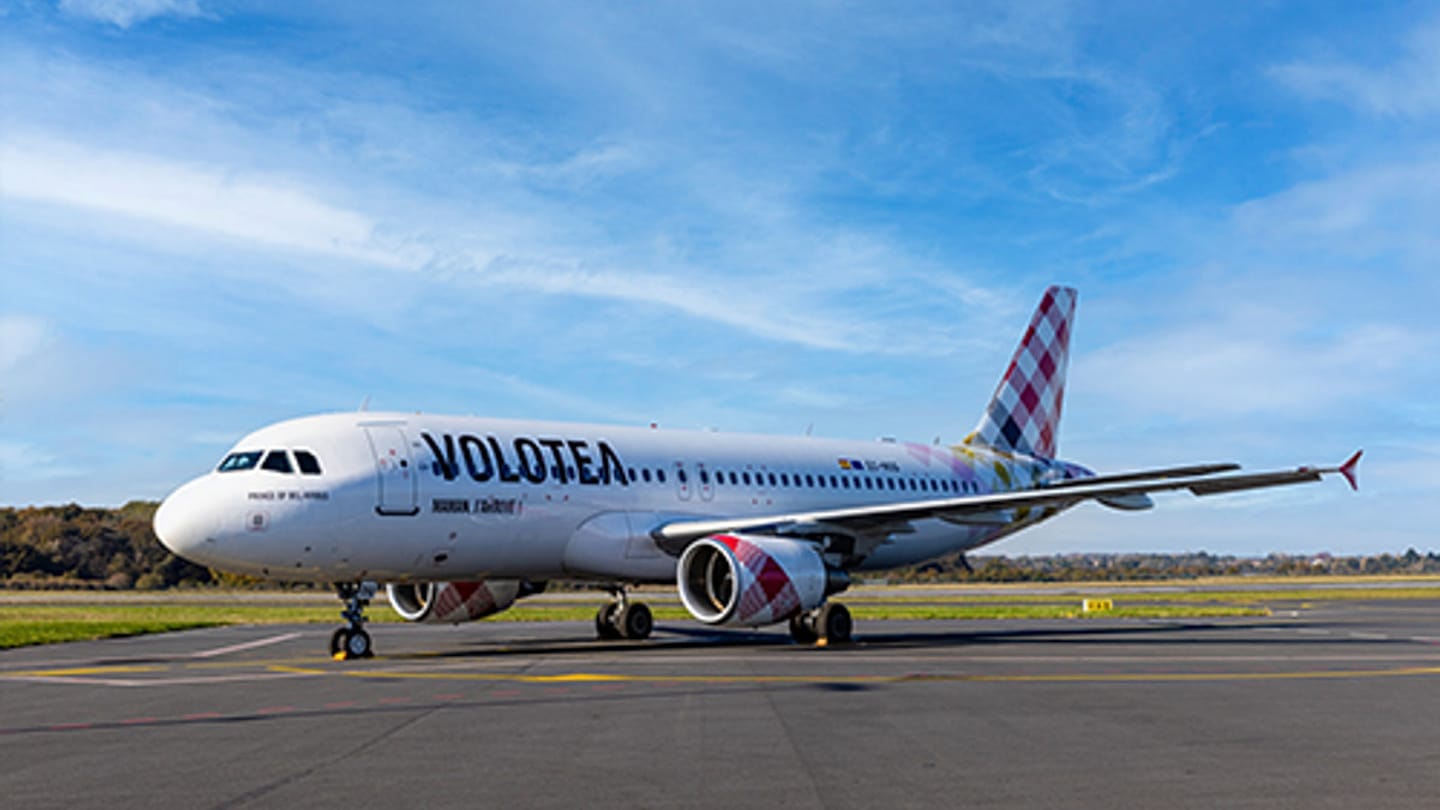
The European Commission ruled that airlines cannot add fuel surcharges to tickets already sold in the EU, even as jet fuel prices have more than doubled since the Iran conflict began in February. The guidance follows Spanish carrier Volotea applying such fees of up to €14.
EuronewsThe European Commission has told airlines they cannot add fuel surcharges to tickets purchased in the EU, even if jet fuel prices surge after the sale. A guidance note issued Friday states that sellers must always display the final price, including all unavoidable and foreseeable taxes, fees and charges.
Adding a fuel surcharge after purchase cannot be justified, a Commission spokesperson said. The ruling targets a practice recently adopted by one Spanish low-cost carrier that began applying surcharges of up to €14 amid rising kerosene prices. The company reviews fuel market prices seven days before departure, adding a fee if prices have risen or refunding the difference if they have fallen.
The surcharge is mandatory to confirm a passenger's seat. A Spanish consumer protection group called for an investigation, arguing the practice is unlawful and could spread to other carriers.
Many European airlines have cancelled flights in recent weeks, citing fuel costs that have become economically unfeasible. The Commission clarified that passengers affected by cancellations retain EU air passenger rights, including reimbursement, re-routing or return travel, plus assistance at the airport.
Carriers are exempt from paying financial compensation only if they prove the cancellation resulted from extraordinary circumstances, such as a local fuel shortage. High fuel prices alone do not qualify as extraordinary circumstances. It is for the airlines to manage price volatility, the spokesperson added.
The Commission acknowledged that fuel accounts for a large share of carriers' costs but described those costs as entirely foreseeable at the moment.
One tonne of jet fuel traded at $831 in late February, reached $1,838 in early April and now stands around $1,500. Airlines have responded by trimming schedules. The German group Lufthansa said it would remove 20,000 flights between now and the end of October.
Several other carriers, including Air France, KLM, Air Canada, Delta and SAS, have also reduced summer schedules. Budget carriers Wizz Air and easyJet have said they do not expect to cancel flights.
Flights in and out of the UK have been largely unaffected, according to aviation data firm Cirium, with Munich and Istanbul among the worst-hit destinations. The UK Department for Transport stated there is no shortage of jet fuel in Britain and urged holidaymakers not to change travel plans.
UK airlines buy fuel in advance and airports maintain stocks for resilience. If a flight is cancelled, passengers have clear legal rights to a full refund or re-routing. The government has introduced temporary rule changes allowing airlines to cancel flights weeks in advance without losing take-off and landing slots, to merge flights on the same route, and to consolidate passengers from different bookings onto fewer planes.
These measures aim to conserve fuel during the evolving situation. Tim Alderslade, chief executive of Airlines UK, said no flights are being cancelled due to fuel shortages and that carriers plan to operate full summer schedules, including during the May half-term holidays.
Travel agents echoed that planes are taking off daily and holidays should proceed as planned.
“There is a difference between high jet fuel prices and a shortage of fuel...It is for the airlines to manage price volatility.”
“UK airlines are planning to operate their full schedules this summer, including the May half-term.”
The UK imports about 65 percent of its jet fuel, a significant share of which normally comes from the Middle East. The closure of the Strait of Hormuz has disrupted those supplies.
Key Facts
Story Timeline
5 events- May 8, 2026
European Commission issues guidance banning post-purchase fuel surcharges on EU tickets.
1 sourceEuronews - May 2026
Airlines cancel 13,000 flights globally as jet fuel prices soar.
2 sourcesBBC News · Euronews - Early April 2026
Jet fuel price peaks at $1,838 per tonne following Iran conflict.
1 sourceBBC News - February 2026
Iran conflict begins, closing Strait of Hormuz and more than doubling jet fuel prices.
2 sourcesEuronews · BBC News - Mid-April 2026
International Energy Agency warns Europe could face jet fuel shortages by June.
1 sourceBBC News
Potential Impact
- 01
Airlines must absorb fuel price volatility rather than pass costs to ticket holders after sale.
- 02
UK government slot-retention waivers will allow more preemptive cancellations without penalties.
- 03
European carriers will likely accelerate schedule reductions and route consolidations through October.
- 04
Consumers face higher upfront ticket prices as carriers price in expected fuel costs.
- 05
Passenger compensation claims will rise for cancellations not meeting extraordinary circumstances test.
- 06
Alternative fuel sourcing efforts by European governments and airlines will intensify before June.
Transparency Panel
Related Stories
Substrate placeholder — needs reviewFDA Proposes Removing Gender References From Regulations
The U.S. Food and Drug Administration issued a proposed rule this week to remove references to “gender” from its regulations. The agency cited a 2025 executive order from President Trump directing emphasis on biological sex across federal policies. The change has raised questions…
EU Entry-Exit Biometric System Now Operational in Most Member States
The European Commission confirmed that Portuguese and Italian authorities will not exempt British nationals from the Entry-Exit System despite long queues and missed flights at airports. Greece has suspended biometric checks for UK visitors until September.
Substrate placeholder — needs reviewFinal Components of ITER Central Solenoid Magnet Delivered to France After 15-Year Build
The last modules of the 18-meter-tall central solenoid, a 3,000-tonne superconducting system developed over 15 years at Oak Ridge National Laboratory, have reached the ITER site in Cadarache. The delivery advances assembly of the world's largest nuclear fusion experiment, a €22 b…