world
EU Entry/Exit System Takes Effect for UK Travelers to 29 Countries
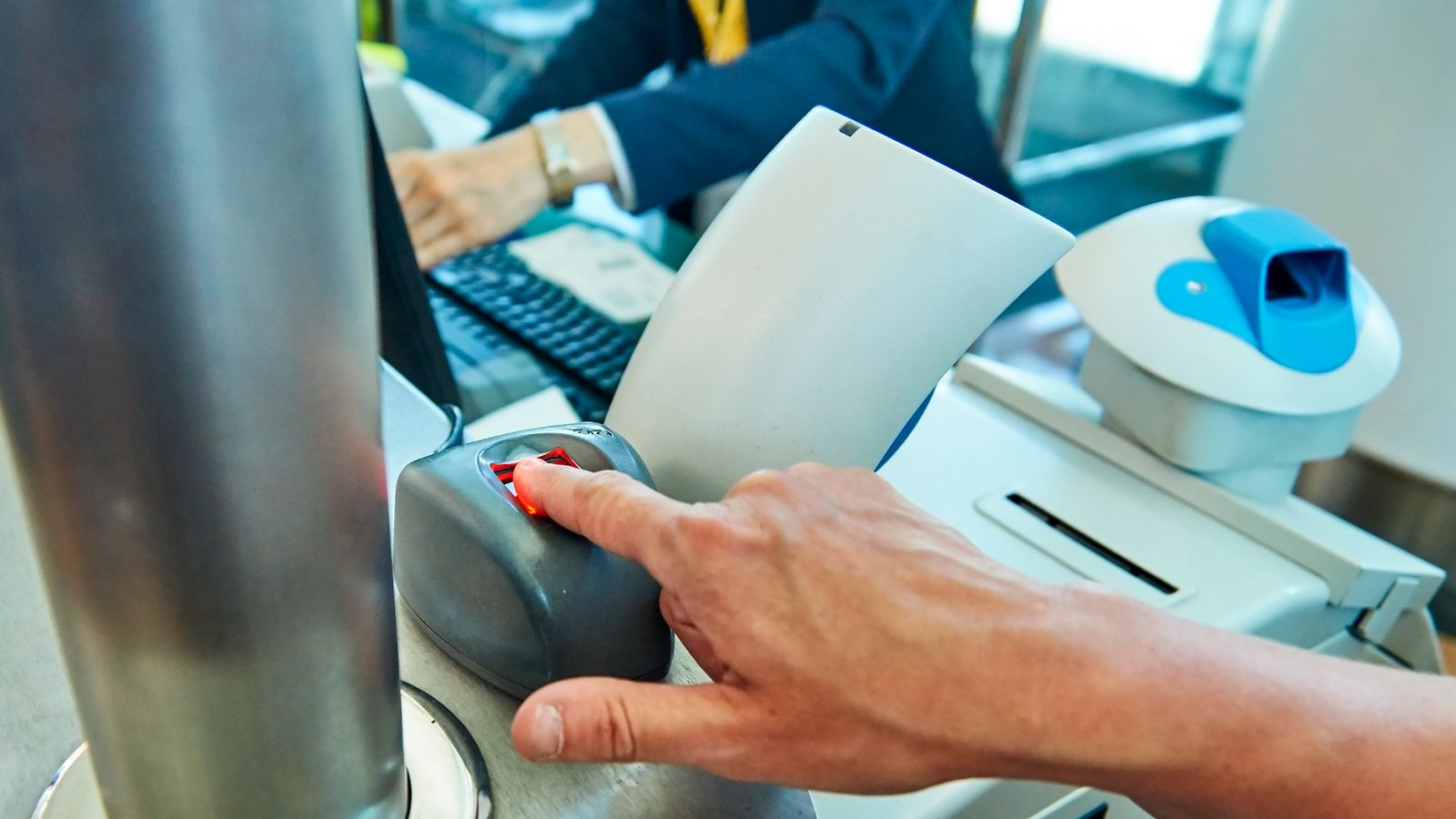
The European Union's Entry/Exit System has begun operations, requiring biometric data from non-EU travelers including those from the UK. The system applies to 29 Schengen Area countries and aims to track entries and exits. UK passengers will need to provide fingerprints and facial images at borders.
Apr 10, 11:29 AM·1m read1 source
 news.sky.com
Audio version
Tap play to generate a narrated version.
The European Union's Entry/Exit System (EES) entered into force on an unspecified recent date after multiple delays. This digital system registers non-EU nationals, including UK citizens, who cross external Schengen borders. It collects biometric data such as fingerprints and facial photographs to monitor stays and detect over-stays.
The EES covers 29 European countries that participate in the Schengen Area, which allows passport-free travel among members. UK travelers, post-Brexit, are treated as third-country nationals under this framework. The system replaces manual passport stamping with automated recording of entry and exit details.
The EES was originally scheduled for implementation in 2021 but faced repeated postponements due to technical and logistical challenges.
EU authorities have now activated the system across designated border points. Initial rollout focuses on major entry points, with full integration expected over time. Travelers affected include the approximately 20 million UK visitors who enter the Schengen Area annually, based on pre-implementation estimates.
The system aims to enhance border security by creating a centralized database of travel records. Non-compliance could result in denied entry or fines, though enforcement details remain under development.
first entry after the system's activation, UK passengers must submit four fingerprints and a facial scan at EU border controls.
This data links to their passport information for future automated checks. Subsequent travels may involve quicker verification via self-service kiosks, reducing manual processing times. The introduction coincides with preparations for the related European Travel Information and Authorisation System (ETIAS), expected in 2025.
ETIAS will require pre-travel online authorization for visa-exempt visitors like those from the UK. Together, these systems seek to streamline border management while addressing security concerns. Stakeholders include airlines, ferry operators, and tour groups that facilitate UK-EU travel.

