world
EU Fertiliser Plan Aims to Address Energy and Food Price Links
The European Commission has introduced a fertiliser plan to reduce the impact of energy price volatility on food costs. Officials said the measures target fertiliser production and farmer support ahead of the next planting season.
May 20, 6:55 AM·1m read1 source
 Euronews
Audio version
Tap play to generate a narrated version.
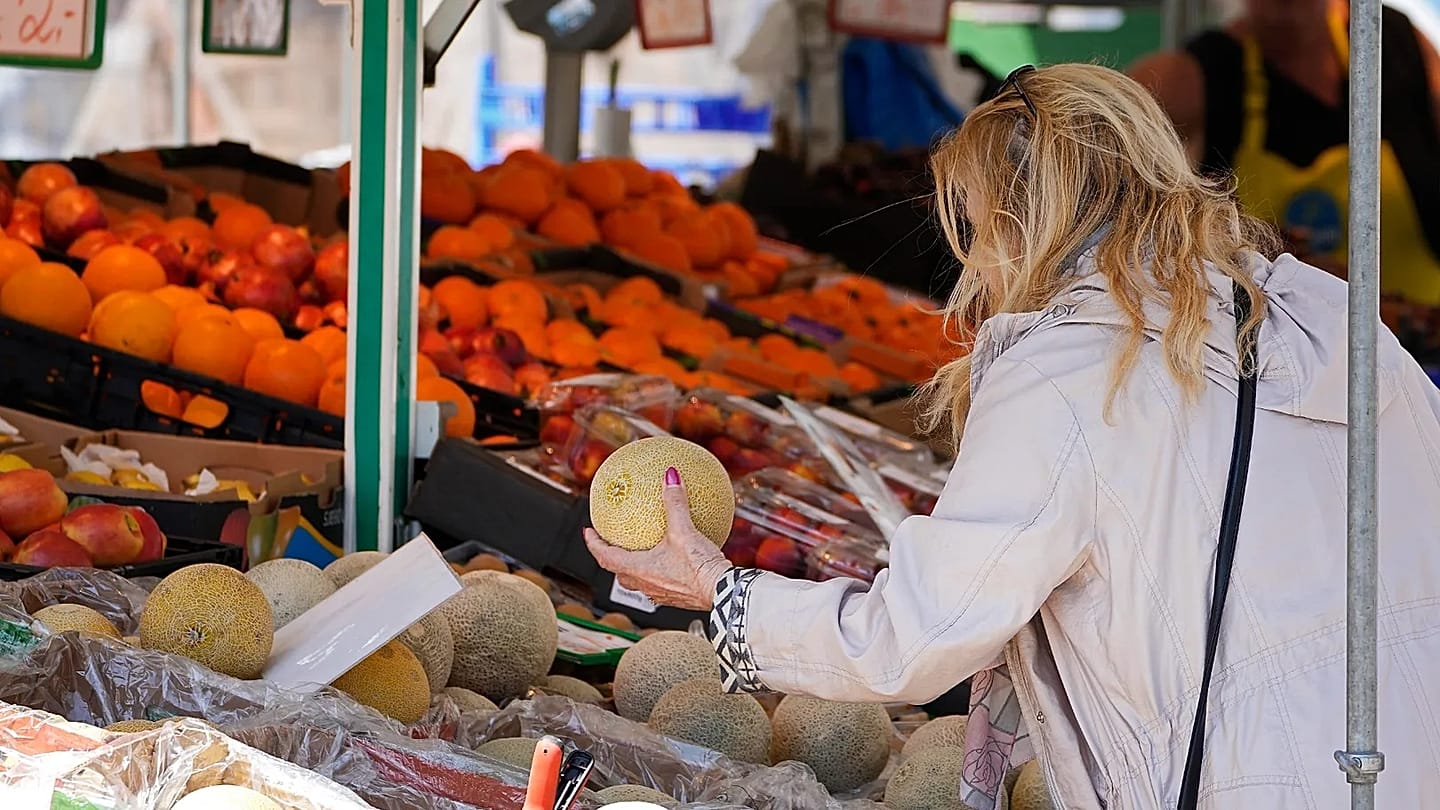
The European Commission has introduced a plan to shield Europe's food prices from energy market volatility. Officials said the measures target fertiliser production and farmer support ahead of the next planting season. The plan seeks to address connections between gas prices, fertiliser shortages, and grocery costs.
These links were triggered by the Middle East conflict and the closure of the Strait of Hormuz, a route that carries 30 percent of the world's fertilisers and 20 percent of its natural gas supplies.
Officials said fertiliser production depends heavily on natural gas. They noted that chemical industries have been affected by recent fossil fuel volatility and that this exposure has revealed a structural weakness in Europe's agri-food economy. The Commission plans to mobilise EU budget resources to support farmers facing high fertiliser costs before the next sowing season.
It will also encourage domestic fertiliser manufacturing and alternatives such as bio-based and recycled nutrients. The Commission will examine stockpiling measures, joint procurement mechanisms, and tighter monitoring of fertiliser pricing. Farmers are set to receive emergency EU agriculture funds and advance payments if they adopt more sustainable practices, including reduced synthetic fertiliser use.
Officials said €200 million remains in the bloc's agricultural crisis reserve. They expressed intentions to at least double this amount to support farmers. The Commission will provide targeted exceptional support to the most affected farmers. Additional funds will be mobilised under the EU budget to reinforce agriculture research.
The goal is to have a concrete financial instrument before the summer, when farmers need to decide which crops to plant for the next season, officials said.