finance
EU Launches Entry/Exit System in Schengen Area with Initial Border Delays
The European Union implemented the Entry/Exit System at all Schengen Area border crossings on April 11, 2026. Since then, travelers have reported long waits and missed flights due to technical issues and increased processing times, with queues averaging two to three hours during peak periods.
Apr 16, 11:25 AM·1m read1 source
 theolivepress.es
Audio version
Tap play to generate a narrated version.
The European Union rolled out the Entry/Exit System at all crossing points in the Schengen Area on Friday, April 11, 2026. The Schengen Area includes 29 countries across continental Europe. The new automated IT system requires travelers to register their details and biometric data, including a photo and fingerprints, and aims to improve security and speed up border checks, the EU stated.
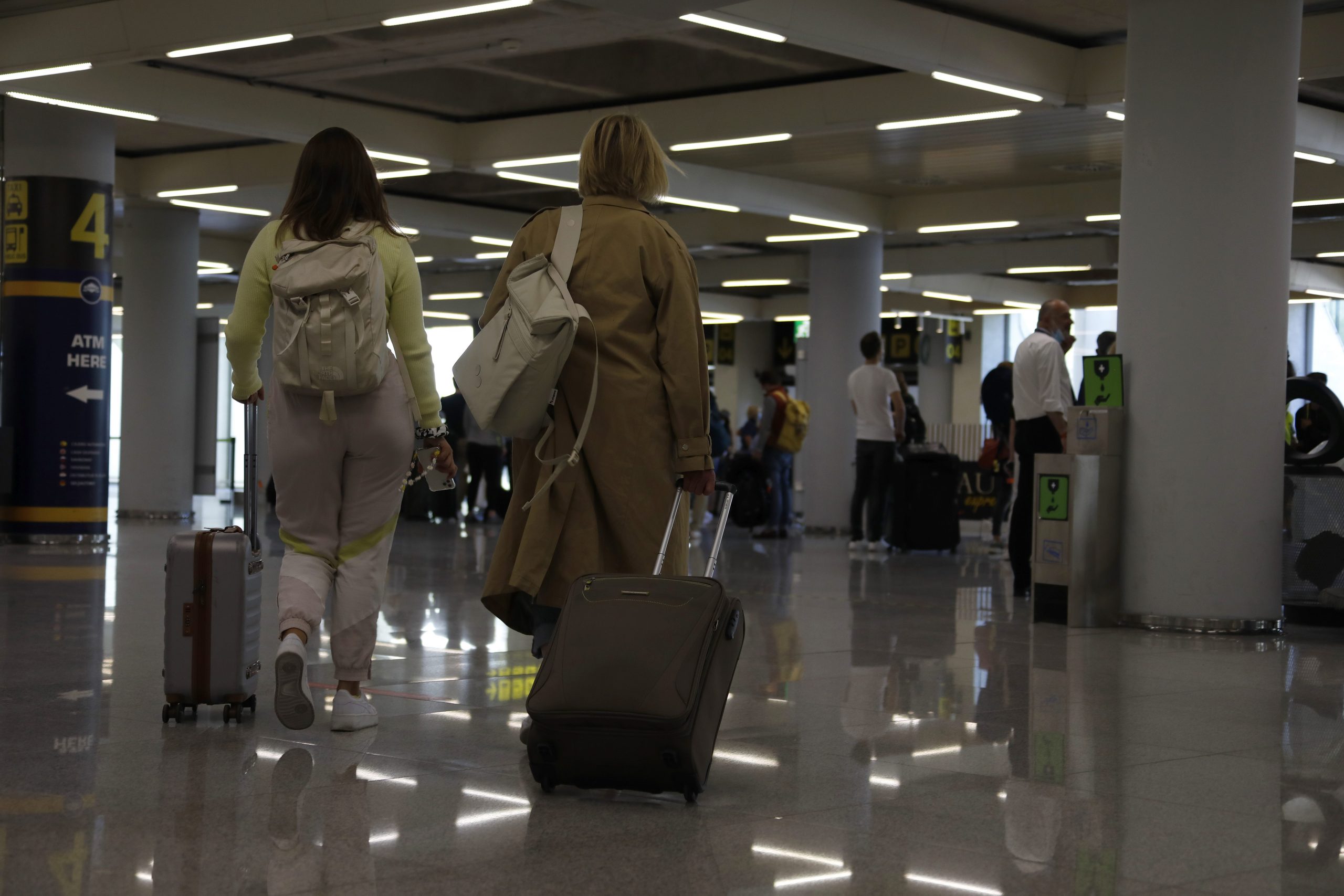
Since implementation, travelers at airports across Europe have reported long waits. Some posted on social media about missing flights due to lengthy lines at border control.
Data from airports in 15 countries show waiting times at border control have significantly increased, with queues now typically averaging two to three hours or longer during peak traffic periods, Olivier Jankovec stated.
A traveler also experienced having to repeat the registration process because his biometric data from two weeks earlier in Berlin was unavailable. A spokesperson for the European Commission said it is addressing some technical issues with the Entry/Exit System but added there were no problems in the overwhelming majority of member states.
A UK citizen with a German wife and children holding German passports said he can use the EU line for family holidays.
He noted that if two people travel and one holds an EU passport, claiming marriage allows both to use the EU line, which otherwise would breach EU citizens' human rights. The Entry/Exit System limits non-EU citizens without a visa to stays of 90 days within a 180-day period in the Schengen Area.
The EU expects the system to enhance border security and streamline traveler processing despite current challenges.


