Substrate
world

Europe's First Large-Scale Elephant Sanctuary Opens in Portugal

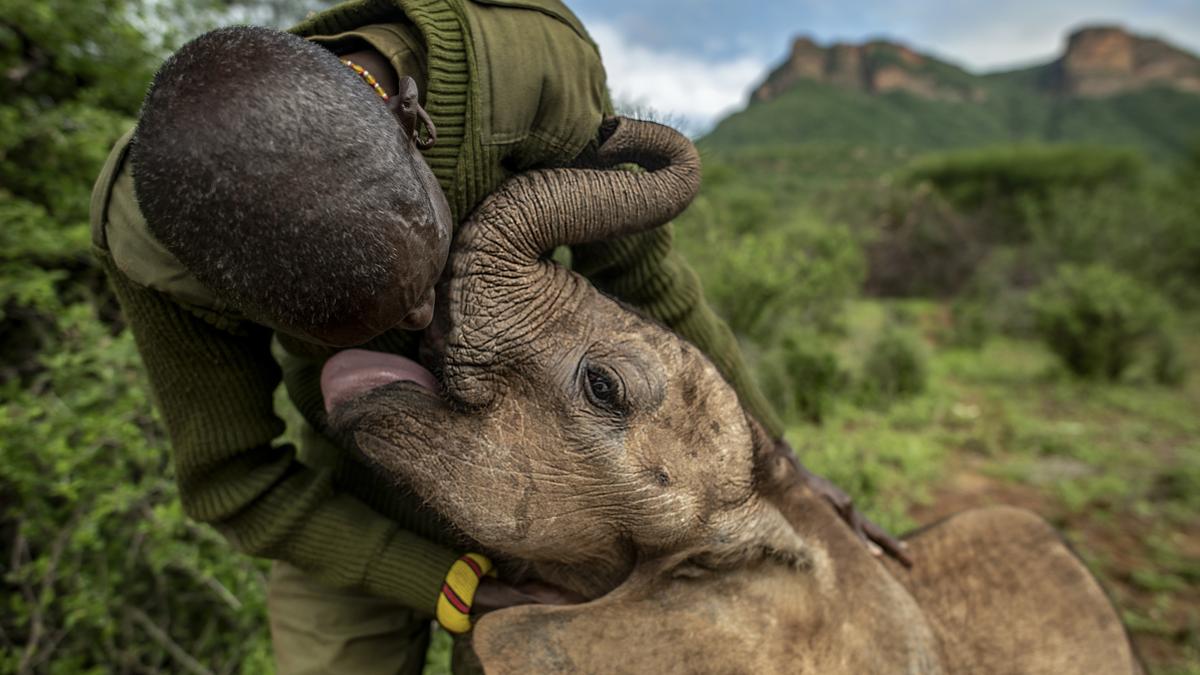
Two African elephants, one from a Portuguese circus and one from a Belgian zoo, will become the first residents of a new sanctuary in Portugal's Alentejo region. The facility aims to provide a more natural environment for captive elephants, which number around 600 across Europe.

The Guardian
1 source·May 7, 4:01 AM(22 days ago)·2m read
Europe's First Large-Scale Elephant Sanctuary Opens in Portugalthehindu.com
Audio version
Tap play to generate a narrated version.
Developing·Limited corroboration so far. This page will refresh as more sources emerge.

Europe's first large-scale elephant sanctuary is set to open in Portugal with the arrival of its first two residents next month. Julie, Portugal's last circus elephant, will be moved from the Cardinali circus to the Pangea sanctuary in the Alentejo region, 200km east of Lisbon near the Spanish border.

She will join Kariba, a female African elephant in her 40s that is being relocated from a zoo in Belgium where she has lived alone. The sanctuary occupies a former cattle ranch and will initially cover 28 hectares, with plans to expand across the full 405 hectares pending further fundraising.

It will not be open to the public and will prioritize giving the elephants as natural an environment as possible.

Julie will live in an expansive natural habitat where they can roam freely, bathe and socialise in compatible groups," a Pangea spokesperson said. " The animals will contribute to nature restoration on the site of the degraded cattle ranch. The region was once home to straight-tusked elephants that lived on the Iberian peninsula around 40,000 years ago.

There are about 600 elephants still held in captivity across Europe. Of those, 36 live in solitary confinement in zoos and around 40 are still required to perform in circuses. Many of the elephants, including Julie and Kariba, were captured in the wild in the 1980s and are now reaching the end of their lives.

Captive elephants typically live in smaller-than-natural herds with drastically reduced roaming space compared with wild elephants that walk tens of kilometres each day. Studies have shown reduced life expectancy and higher infant mortality rates among captive elephants.
One study found that African female elephants lived an average of 17 years in zoos compared with 56 years in the wild when human-caused deaths were excluded. Another study reported a first-year mortality rate of about 30% for captive-born Asian elephants in North America and the EU, compared with 10-15% for wild African elephants.

The use of wild animals in circuses is banned in most EU countries, though Germany maintains regional restrictions without a national ban. In Portugal a ban on wild animals in circuses came into full effect in 2025. Many circuses have struggled to retire large animals because of a lack of available sanctuary space, and governments have been limited in their ability to confiscate animals from circuses when no relocation options exist.

The sanctuary has taken 10 years to develop. When fully expanded it could support 20 to 30 elephants living naturally by roaming, grazing and wallowing in lakes, provided stocking density is managed correctly to strengthen the ecosystem.

Key Facts

600 elephants
still held in captivity across Europe
28 hectares
initial size of the Portugal sanctuary
36 elephants
live in solitary confinement in European zoos
17 vs 56 years
average lifespan of captive vs wild African female elephants
405 hectares
total area of former cattle ranch

Story Timeline

3 events
  1. 2025

    Portugal's ban on wild animals in circuses came into full effect.

    1 sourceThe Guardian
  2. Next month

    Julie will be moved to the Pangea sanctuary in Portugal.

    1 sourceThe Guardian
  3. 2026

    The sanctuary will open with Julie and Kariba as first residents.

    1 sourceThe Guardian

Potential Impact

  1. 01

    Two elephants will gain access to expanded natural roaming space and social groups.

  2. 02

    Circuses and zoos may gain additional options for retiring elephants under legal bans.

  3. 03

    The sanctuary may provide a model for relocating other captive elephants in Europe.

  4. 04

    Habitat restoration efforts on the former ranch could improve local biodiversity.

Transparency Panel

Sources cross-referenced1
Confidence score65%
Synthesized bySubstrate AI
Word count460 words
PublishedMay 7, 2026, 4:01 AM
Bias signals removed1 across 1 outlet
Signal Breakdown
Framing 1

Related Stories

WHO Chief Visits DRC as Ebola Death Rate Reaches 30-50%The Guardian
world52 min ago

WHO Chief Visits DRC as Ebola Death Rate Reaches 30-50%

World Health Organization director-general Tedros Adhanom Ghebreyesus arrived in the Democratic Republic of the Congo to support containment of a new Ebola outbreak. The agency revised the death rate to 30-50% based on confirmed cases and recorded 10 confirmed and 223 suspected d…

SK
The Guardian
2 sources
Greek National Charged in UK With Aiding Iran-Linked Intelligence Servicewesternjournal.com
world52 min ago

Greek National Charged in UK With Aiding Iran-Linked Intelligence Service

A 46-year-old Greek man living in Germany was charged under the UK National Security Act with assisting an intelligence service believed to be Iran by targeting a journalist at Iran International.

Reuters
BBC News
2 sources
Bilt Rewards reports $1 billion revenue target for 2026physicianonfire.com
world51 min agoDeveloping

Bilt Rewards reports $1 billion revenue target for 2026

Bilt Rewards CEO Ankur Jain said the company's flagship credit card accounts for less than 11 percent of revenue. The firm now processes more than $100 billion in annual housing spend across one in four U.S. apartment buildings.

FO
1 source