Substrate
world

European Firms in China Increase Local Production as They Adapt Supply Chains to Middle East Disruptions

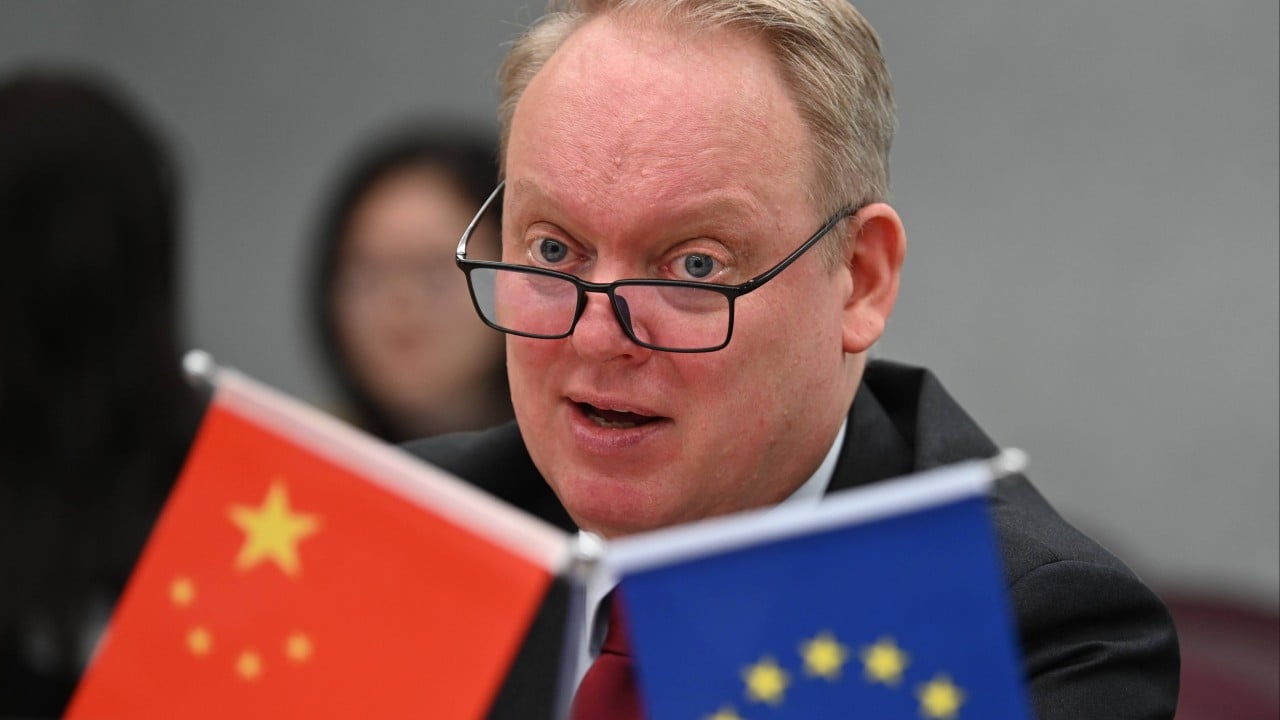
A flash survey by the EU Chamber of Commerce in China published on 13 May 2026 shows more than a quarter of European companies operating in China changed supply chain strategies following the Middle East conflict. Higher energy and logistics costs have disrupted operations, with nearly a quarter warning of possible production stoppages within three to six months.

South China Morning Post
1 source·May 13, 10:30 AM(16 days ago)·2m read
European Firms in China Increase Local Production as They Adapt Supply Chains to Middle East DisruptionsSouth China Morning Post
Audio version
Tap play to generate a narrated version.
Developing·Limited corroboration so far. This page will refresh as more sources emerge.

More than a quarter of surveyed European companies operating in China had adjusted their supply chain strategies in China following the Middle East conflict, the EU Chamber of Commerce in China said in a flash survey published on 13 May 2026. Supply disruptions and rising costs linked to Middle East instability are forcing companies to adjust sourcing, production and investment plans.

Some European companies operating in China are shifting more production to the country.

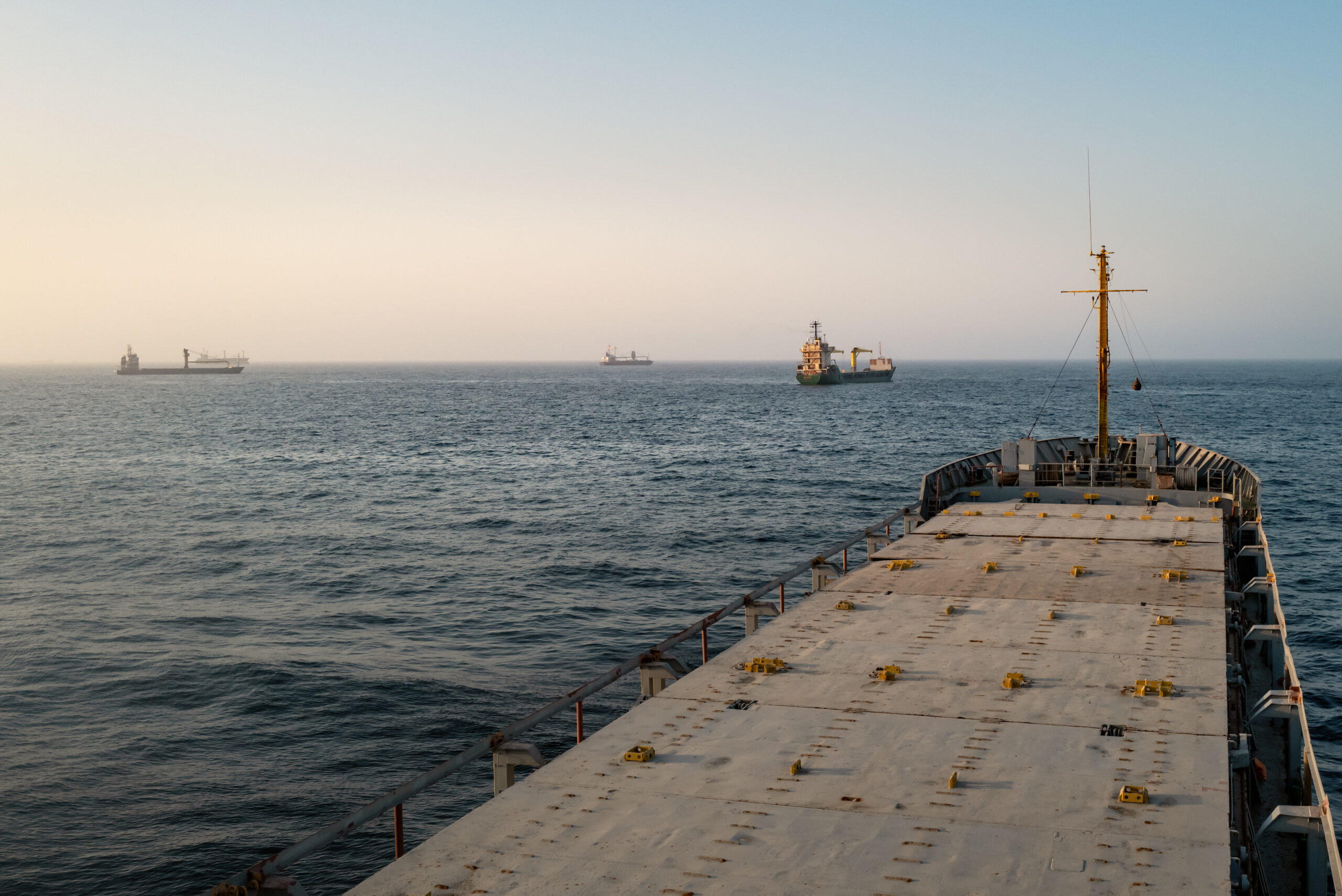
It found higher energy and logistics costs are weighing on operations of European companies in China. Two-thirds of surveyed European firms in China reported longer delivery times and high transport costs, while about 66 per cent faced higher energy costs.

Eighty-one per cent of surveyed European firms in China were struggling to source Middle Eastern inputs. Nearly a quarter of surveyed respondents warned that production stoppages were possible within three to six months if the conflict persisted. More than three in 10 surveyed respondents negatively affected by the conflict reported lower demand.

The automotive sector has been hit particularly hard, with 62 per cent of surveyed European companies operating in China in the automotive sector reporting a decline in demand. Six in 10 chemicals and petroleum firms surveyed had made supply chain changes. Of those chemicals and petroleum firms that made changes, 35 per cent further onshored production to China.

In the machinery sector, 14 per cent of machinery sector firms making supply chain adjustments were looking to increase local production capacity in China. The flash survey was released almost three months after the United States and Israel launched air strikes against Iran. Energy supplies remain disrupted in the Strait of Hormuz as of 13 May 2026.
On 13 May 2026, US President Donald Trump told reporters that Washington and Tehran were “either going to make a deal or they’re going to be decimated”. The EU Chamber of Commerce in China survey illustrates how the conflict that began with those strikes continues to ripple through global business operations in China.

South China Morning Post reported the details of the survey and the ongoing disruptions.

Key Facts

More than a quarter of European firms adjusted supply chains
Over 25% of surveyed companies changed strategies in China due to the Middle East conflict, with 81% struggling to source inputs and two-thirds facing longer de
Chemicals sector most active in adjustments
Six in 10 chemicals and petroleum firms made changes; 35% of those increased onshoring to China. Machinery firms showed 14% increasing local production capacity
Demand declines reported across sectors
62% of automotive firms reported lower demand; more than 30% of all negatively affected respondents saw reduced demand. Nearly 25% warned of possible production

Story Timeline

3 events
  1. 2026-02-13

    United States and Israel launched air strikes against Iran

    2 sourcesSouth China Morning Post
  2. 2026-05-13

    EU Chamber of Commerce in China publishes flash survey on supply chain adjustments

    2 sourcesEU Chamber of Commerce in China · South China Morning Post
  3. 2026-05-13

    President Donald Trump tells reporters Washington and Tehran must 'make a deal or they’re going to be decimated'

    1 sourceSouth China Morning Post

Potential Impact

  1. 01

    Persistent disruption in Strait of Hormuz energy supplies nearly three months after strikes, sustaining elevated logistics costs.

  2. 02

    Decline in automotive demand for 62% of European operators in China, with broader lower demand reported by over 30% of affected companies.

  3. 03

    Increased onshoring to China by chemicals firms and capacity expansion by machinery firms, shifting long-term investment patterns.

  4. 04

    Higher energy costs affecting 66% of surveyed firms, contributing to operational pressure and potential future production halts.

Transparency Panel

Sources cross-referenced1
Confidence score75%
Synthesized bySubstrate AI
Word count348 words
PublishedMay 13, 2026, 10:30 AM
Bias signals removed2 across 2 outlets
Signal Breakdown
Loaded 2

Related Stories

Journalists in Gaza to Receive 2026 Golden Pen of Freedom Awardstraitstimes.com
world2 hrs ago

Journalists in Gaza to Receive 2026 Golden Pen of Freedom Award

Three international news agencies will accept the award on behalf of their local staff still reporting from the territory. The World Association of News Publishers cited the journalists' continued coverage under extreme conditions.

Al-Monitor
AF
2 sources
Supreme Court Revives Havana Docks Lawsuit Over Confiscated Cuban Propertyupi.com
world2 hrs ago

Supreme Court Revives Havana Docks Lawsuit Over Confiscated Cuban Property

The U.S. Supreme Court sent a Helms-Burton Act case back to lower courts for further argument. The suit seeks damages from cruise lines that used docks seized by Cuba in 1959.

FO
1 source
Pakistan Population Growth Outpaces Infrastructure as Male Contraception Stays TabooFrance 24
world2 hrs agoDeveloping

Pakistan Population Growth Outpaces Infrastructure as Male Contraception Stays Taboo

Pakistan's population exceeds 258 million and could reach 300 million by 2030. Contraception remains largely taboo in a society shaped by traditional values. The country continues to lag behind neighbors India and Bangladesh in key social sectors.

FR
France 24
2 sources