Substrate
world

European Ministers to Discuss Third-Country Hubs for Rejected Asylum Seekers

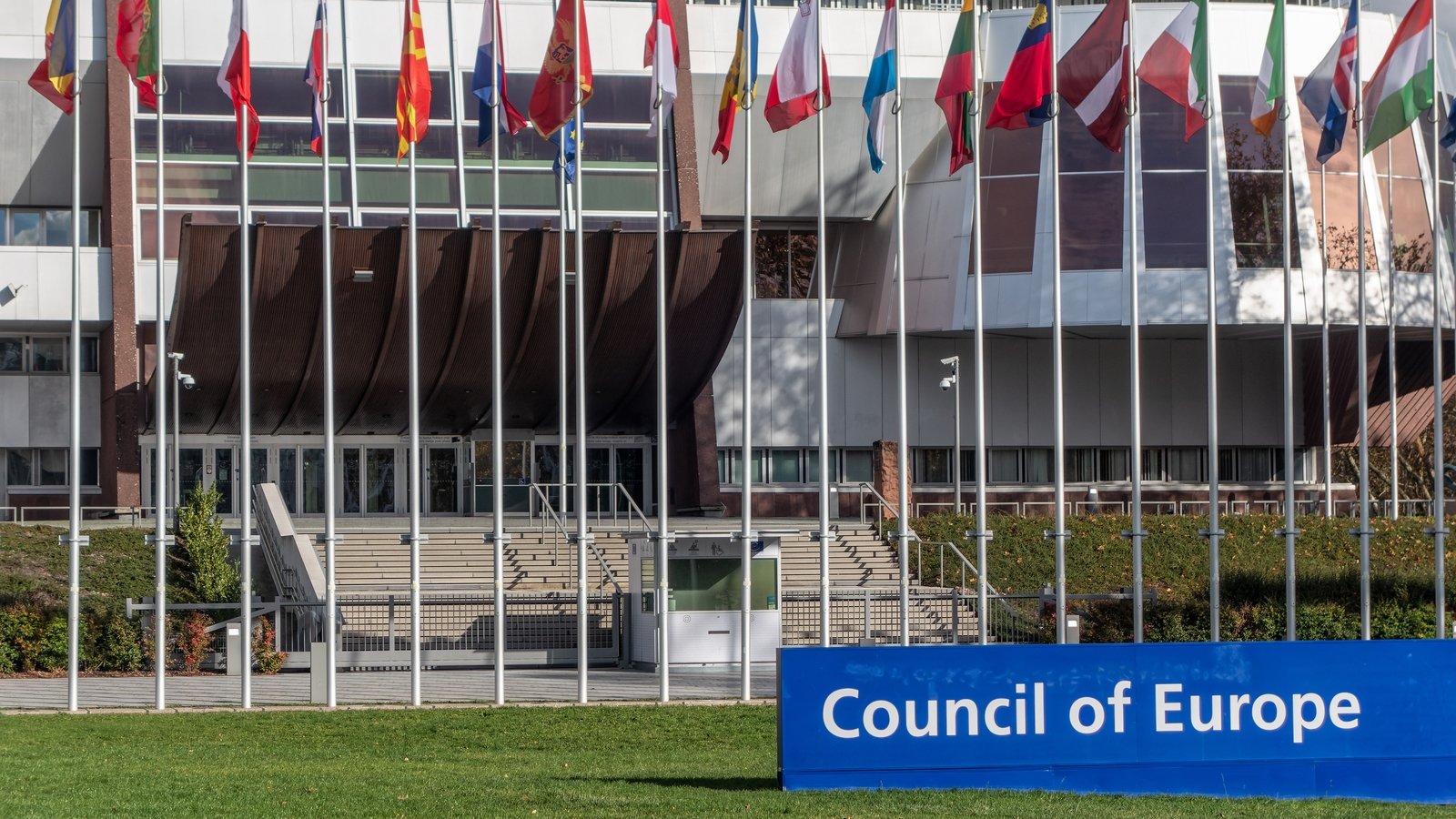
Ministers will meet in Moldova on Friday to discuss plans for sending rejected asylum seekers to processing hubs in third countries. The Council of Europe meeting is also expected to produce a political declaration affirming countries' rights to control their borders. Officials have stressed that any removals must still comply with the European Convention on Human Rights.

The Guardian
1 source·May 12, 11:00 AM(17 days ago)·2m read
European Ministers to Discuss Third-Country Hubs for Rejected Asylum Seekersrte.ie
Audio version
Tap play to generate a narrated version.
Developing·Limited corroboration so far. This page will refresh as more sources emerge.

European ministers will meet in Moldova on Friday to discuss plans to send thousands of rejected asylum seekers to third-country hubs, according to the head of the continent’s human rights body. The discussions will take place at a multilateral level during the Council of Europe conference in Chisinau.

Ministers are also expected to announce a political declaration recognising countries’ rights to control their borders. The declaration follows demands from several interior ministers for changes to the interpretation of the European Convention on Human Rights.

Previous government plans in one European country to send asylum seekers to Rwanda were blocked after legal challenges under the convention. The supreme court in that country ruled the policy unlawful because the destination was not considered a safe country.

The head of the Council of Europe said the discussion about hubs was an important element that had previously been addressed only at a national level. The official described the multilateral talks as progress. The same official added that it would be important for migrants removed from European soil to remain protected by the European Convention on Human Rights.

"We are dealing with human beings on European soil. That means they are also protected by the European court, the European convention of human rights. That is decisive. Clearly the conditions in the countries are important," the official said.

The meeting is the first time ministers at the Council of Europe have discussed setting up such hubs. One government has attempted to establish return hubs following shifts in domestic political polls. Its interior ministry reported active negotiations with several countries although no agreements have been confirmed.


Five member states are involved in talks with possible destination countries. Discussions have centred on 12 possible locations including Rwanda, Ghana, Senegal, Tunisia, Libya, Mauritania, Egypt, Uganda, Uzbekistan, Armenia, Montenegro and Ethiopia.

A group of nine European countries issued an open letter last year calling for greater national control over migration policies. The planned political declaration is expected to limit how asylum seekers can use articles 3 and 8 of the convention, covering freedom from torture and the right to family life, to resist removal.

The declaration will not be legally binding.

Statistics from Eurostat show that between 450,000 and 500,000 third-country nationals were ordered to leave the EU each year over the seven years to 2023. Fewer than half of those ordered to leave actually departed. Supporters of return hubs argue that many rejected asylum seekers remain in Europe because returns to their home countries or safe third states have proved difficult.

The Council of Europe official said discussions about the declaration would continue between member countries. The official described the declaration as a milestone but noted that work on the issue remains active. The official also observed that the organisation had changed several times since 1949, including during periods of international rupture such as the cold war and the fall of the Berlin Wall.

Key Facts

Friday meeting in Moldova
Council of Europe discusses third-country hubs
450,000-500,000
annual EU removal orders 2017-2023
Political declaration
affirms border control rights, non-binding
12 possible countries
potential hubs including Rwanda and Tunisia
ECHR articles 3 and 8
limits on use to resist removal

Story Timeline

4 events
  1. 2026-05-16

    Council of Europe ministers meet in Moldova to discuss third-country hubs and border declaration.

    1 sourceThe Guardian
  2. 2025

    Nine European countries issued open letter calling for greater national control over migration.

    1 sourceThe Guardian
  3. 2023

    Between 450,000 and 500,000 third-country nationals ordered to leave EU annually, with under half departing.

    1 sourceThe Guardian
  4. 2024

    Previous UK government spent £715m on Rwanda plan that was ruled unlawful and cancelled.

    1 sourceThe Guardian

Potential Impact

  1. 01

    Ministers may agree on a joint political declaration about border control and human rights obligations.

  2. 02

    Human rights groups are likely to scrutinise any new return hub arrangements for compliance standards.

  3. 03

    Legal pathways for asylum seekers to challenge removal under ECHR articles 3 and 8 may narrow.

  4. 04

    European governments could pursue more formal agreements with listed third countries for returns.

Transparency Panel

Sources cross-referenced1
Confidence score65%
Synthesized bySubstrate AI
Word count497 words
PublishedMay 12, 2026, 11:00 AM
Bias signals removed4 across 2 outlets
Signal Breakdown
Speculative 1Framing 1Loaded 1Editorializing 1

Related Stories

WHO Chief Visits DRC as Ebola Death Rate Reaches 30-50%The Guardian
world34 min ago

WHO Chief Visits DRC as Ebola Death Rate Reaches 30-50%

World Health Organization director-general Tedros Adhanom Ghebreyesus arrived in the Democratic Republic of the Congo to support containment of a new Ebola outbreak. The agency revised the death rate to 30-50% based on confirmed cases and recorded 10 confirmed and 223 suspected d…

SK
The Guardian
2 sources
Greek National Charged in UK With Aiding Iran-Linked Intelligence Servicewesternjournal.com
world34 min ago

Greek National Charged in UK With Aiding Iran-Linked Intelligence Service

A 46-year-old Greek man living in Germany was charged under the UK National Security Act with assisting an intelligence service believed to be Iran by targeting a journalist at Iran International.

Reuters
BBC News
2 sources
Supreme Court Revives Havana Docks Lawsuit Over Confiscated Cuban Propertyupi.com
world2 hrs ago

Supreme Court Revives Havana Docks Lawsuit Over Confiscated Cuban Property

The U.S. Supreme Court sent a Helms-Burton Act case back to lower courts for further argument. The suit seeks damages from cruise lines that used docks seized by Cuba in 1959.

FO
1 source