EV Insurance Costs 42% Higher on Average Than Gas Cars, Report Finds
A new Insurify report shows electric vehicles cost $3,159 per year to insure on average, nearly $1,000 more than internal combustion engine vehicles. The gap varies by state and model, with repair costs cited as a primary driver.
 Grist
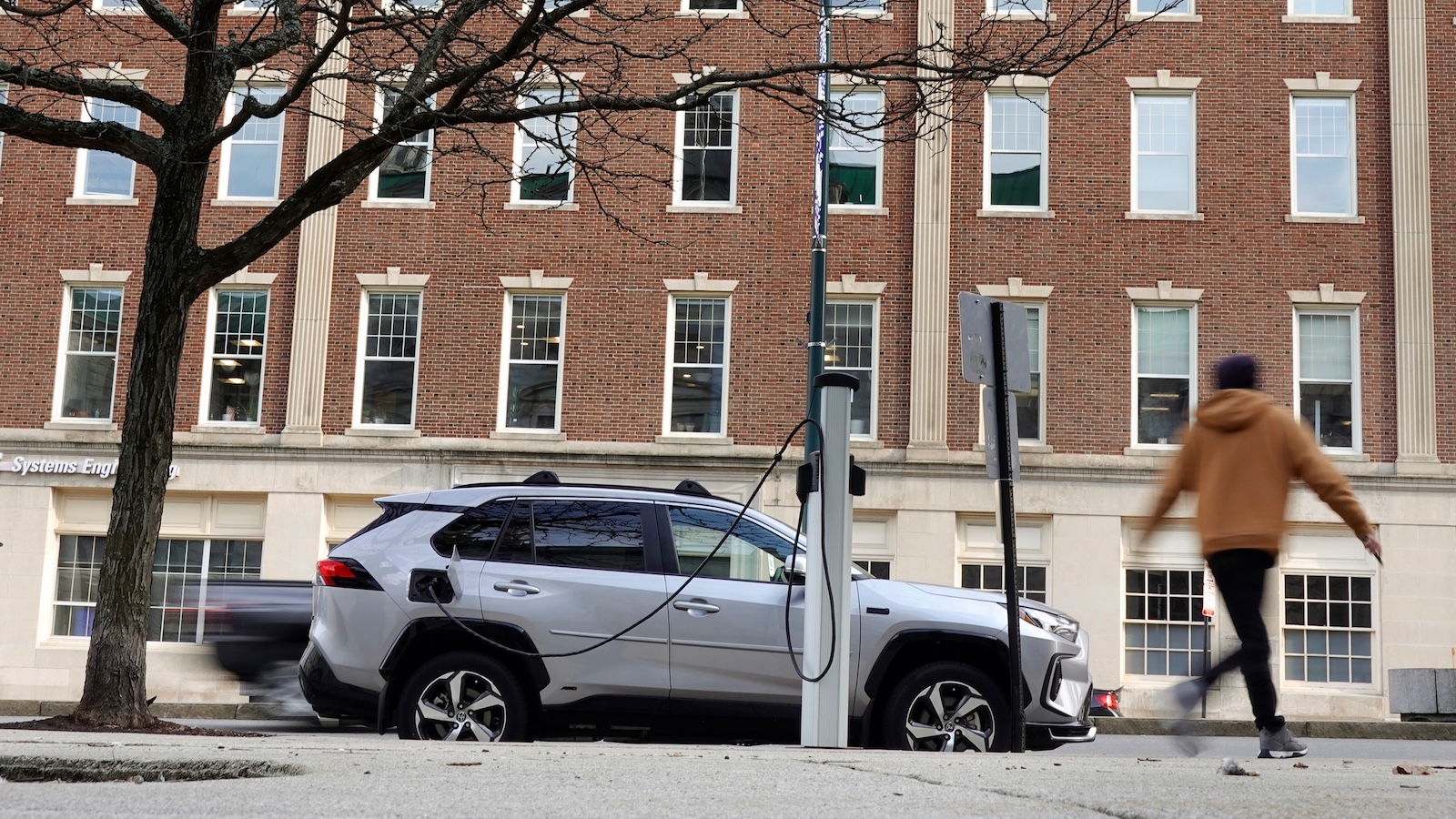
GristElectric vehicles cost an average of 42 percent more to insure than internal combustion engine vehicles, according to a report released today by the insurance-comparison marketplace Insurify. The average annual premium for an EV reached $3,159, nearly $1,000 higher than for gas-powered cars.
, recorded the highest rates, with EV coverage at $6,394 per year compared with $4,124 for conventional vehicles.
Maine posted the lowest EV premiums at $1,476, only $184 above the cost for an internal combustion engine car. Rhode Island showed the widest gap at 73 percent. Luxury brands such as Tesla, Mercedes-Benz, and Audi carried the highest premiums, with many models exceeding $4,000 annually.
Volvo, Chevrolet, Ford, and Hyundai models appeared at the lower end of the EV insurance range. Lemonade, Root, and GEICO offered the most affordable EV coverage among insurers examined. The report drew on more than 235 million quotes from Insurify’s proprietary database.
Seven states—Alaska, Hawai‘i, North Dakota, New Hampshire, South Dakota, Vermont, and Wyoming—were excluded because of lower quoting volume. Higher insurance costs extend the time required for an EV to offset its purchase price through fuel and maintenance savings.
Even assuming free electricity and gasoline priced at $4 per gallon, an EV owner would need to drive at least 5,800 additional miles per year compared with a 25-mpg gasoline car before breaking even on total ownership costs.
Repair expenses contribute to the premium difference. Ryan Mandell, vice president of strategy and market intelligence at Mitchell, said the cost to repair electric vehicles runs about 15 percent higher than for internal combustion engine vehicles. Batteries are relatively expensive to fix and require mechanics to work around complicated electronics, he noted.
Structural design differences also raise repair bills. Mandell cited the Ford F-150 Lightning, an electric version of the pickup truck sold alongside gas-only and hybrid models from 2022 to 2025. In front-end crash tests conducted by Mitchell, the engine in the conventional F-150 absorbed much of the impact.
Without that structure, Ford added reinforcement to the Lightning that increased repair costs by roughly 30 percent. “Insurers were charging those higher premiums to balance their risks,” said Julia Taliesin, an economic analyst and insurance agent at Insurify who authored the report.
Transparency
Reported by a single outlet. This score reflects source tier and factual specificity — corroboration is limited with one source.
Story details
Related Stories
 France 24
WHO Reports 330 Confirmed Ebola Cases and 49 Deaths as Suspected Tally Falls to 116
The World Health Organization on Tuesday lowered its count of suspected Ebola cases from 906 to 116 after testing ruled out other illnesses. Confirmed cases stand at 330 across the Democratic Republic of Congo and Uganda.
Ebola Response Expands in Eastern DRC Despite Equipment and Tracing Challenges
Dr. Abdou Sebushishe of the International Medical Corps told CNN that efforts to contain the outbreak are growing while protective gear, contact tracing, and public trust remain limited.
 The Hill
**Judge Temporarily Blocks NSF Supercomputer Transfer from NCAR**
A federal judge issued a preliminary injunction blocking the transfer of a supercomputer used for climate and weather research. The ruling preserves operations at the National Center for Atmospheric Research in Boulder pending further review.