Iran's Economy Faces Strain from Ongoing War and Sanctions
Iran's economy has deteriorated further due to the war with the U.S. and Israel, with infrastructure damage and rising prices reported. The rial has declined against the dollar, and inflation has increased significantly. Officials have expressed concerns about payroll and governance challenges without sanctions relief.
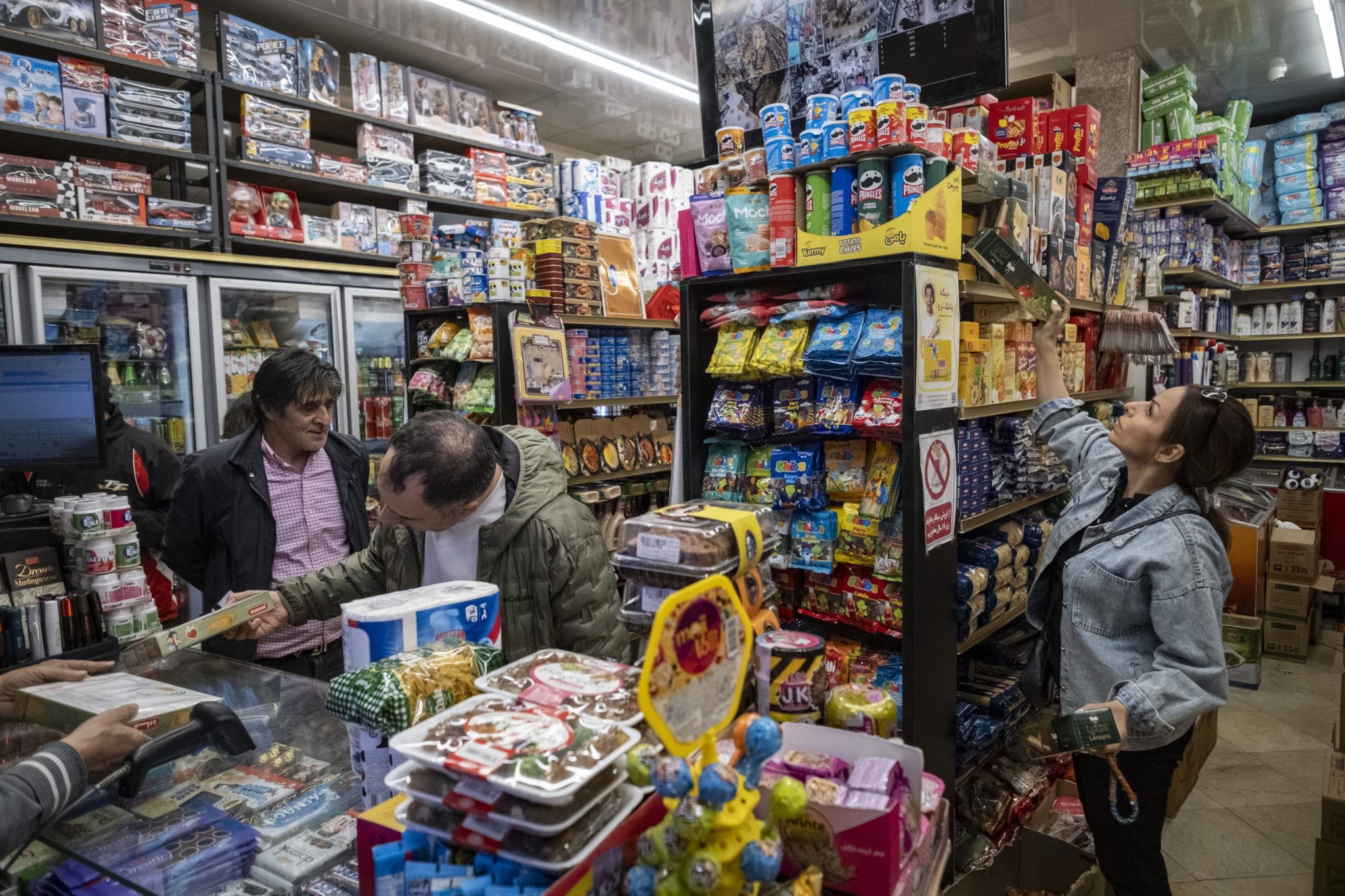 Fortune
S. and Israel against the Islamic Republic. High inflation and a currency collapse led to mass protests, which authorities addressed through a crackdown. The war, now six weeks old as of April 12, 2026, has exacerbated these issues.
Reports indicate that factories, energy facilities, bridges, and railways have been destroyed, resulting in unemployment for many Iranians. The rial fell 8% against the dollar on the black market since the war began, according to the Economist. This follows a 60% loss in value after a 12-day war against Israel in June of the previous year.
Prices have risen by 6% during the current war, based on central bank data cited by the Economist. 5% before the war started. The central bank issued a 10 million rial note last month, following the introduction of a 5 million rial note a month earlier.
Inflation and Public Reports Official data may understate inflation levels.
Residents in Tehran and other cities reported to Reuters that some prices have increased by around 40% since the war began six weeks ago. An insider close to the Iranian establishment stated that officials consider the economy the country's main vulnerability, with concerns about potential unrest. S.
over the weekend prevented any relief from sanctions or access to frozen Iranian assets overseas. Without additional funds, authorities anticipate difficulties in making payroll, which could affect governance. The war has required subsidies for displaced people and funding for infrastructure repairs.
An Iranian official told Reuters that the country will face a disaster if sanctions are not lifted, as major industrial plants will require months or years to repair.
Potential Blockade and Revenue Impacts A proposed U.
S. naval blockade on the Strait of Hormuz could limit Iran's oil exports, estimated at $30 billion last year. Energy products made up about one-quarter of government revenue in 2023, according to the Washington Institute.
The Islamic Revolutionary Guard Corps handles roughly half of Iran's oil exports and collects fees from ships crossing the strait. Such a blockade would reduce the IRGC's financial resources and impact the broader economy.
Story Timeline
5 events- April 12, 2026
War reaches six weeks, with prices up 40% in cities per residents.
1 sourceFortune - Last weekend
Ceasefire talks with U.S. fail, blocking sanctions relief.
1 sourceFortune - Last month
Central bank issues 10 million rial note amid high inflation.
1 sourceFortune - February 2026
Food inflation hits 105% annually before war escalation.
1 sourceFortune - Six weeks ago
Current war begins, leading to 8% rial drop on black market.
1 sourceFortune
Potential Impact
- 01
Unemployment rises due to destroyed factories and infrastructure.
- 02
Oil export revenues decrease if naval blockade is imposed.
- 03
Industrial repairs delay economic recovery for months or years.
- 04
Payroll difficulties emerge for authorities without sanctions relief.
- 05
Potential unrest increases from economic pressures on population.
Multi-source corroboration verifies facts, not framing. This panel scores the Substrate rewrite you just read (top score) and the raw source bundle it came from. A positive delta means the rewrite stripped framing from the sources; a negative or zero delta means our neutralizer let some through.
Iran's economic pressures from sanctions and war could rally national solidarity and force innovative self-reliance, strengthening regime resolve against external threats.
- Anonymous speculationnotable“An insider close to the Iranian establishment stated that officials consider the economy the country's main vulnerability, with concerns about potential unrest.”Unnamed insider injects predictive fears of instabilityUnnamed analysts, experts, or critics used to inject predictions or negative-valence claims that aren't sourced to named individuals.
- Valence skewminor“economic mismanagement and corruption in Iran support regime loyalists”Negative adjectives target Iranian regime without balanceAdjectives and adverbs systematically slant toward one interpretation even though the underlying facts are neutral.
- Loaded metaphorminor“the country will face a disaster if sanctions are not lifted”Disaster framing heightens alarm over economic woesSources share the same narrative framing verbs (“sow doubt”, “spark backlash”) — a sign of a shared template, not independent reporting.
Transparency Panel
Related Stories
 Semafor
US Energy Secretary Sees Aggressive Timeline for Oil Prices to Decline by Summer
US Energy Secretary Chris Wright stated that a decline in oil and gas prices by this summer represents an aggressive timeframe. His comments followed President Donald Trump's remark that gas prices could rise before midterm elections. Separately, Chinese industrial profits rose 1…
 Washington Examiner
Qantas Airways Cuts Domestic Capacity Amid Surging Fuel Costs from Iran War
Qantas Airways has reduced its domestic flight capacity due to sharply increased fuel costs linked to the war in Iran. German officials announced a temporary cut in gasoline and diesel duties to ease consumer impacts. Protests over high fuel prices have erupted in Ireland, blocki…
 Ballota / Wikimedia (CC BY-SA 4.0)
USS George H.W. Bush Carrier Strike Group Sails Around Africa to Avoid Houthi-Controlled Waters
The USS George H.W. Bush and its escorts are taking an extended route around the southern tip of Africa to reach the Persian Gulf. This path bypasses the Strait of Gibraltar, the Mediterranean Sea, and the Red Sea, including the Bab el-Mandeb Strait. The decision avoids areas con…