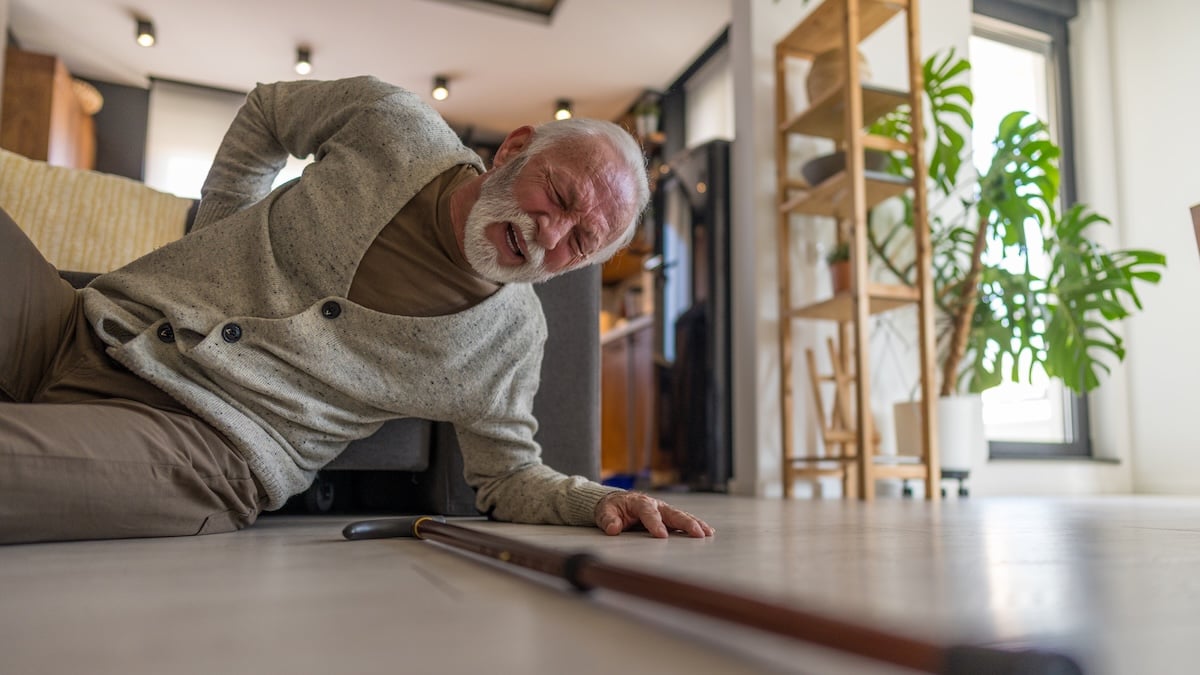
Falls After Age 40 Linked to Higher Future Dementia Risk
A single fall after age 40 is associated with a more than 20 per cent increase in future dementia risk, while multiple falls are linked to a 74 per cent increase, according to a review of studies. The analysis of nearly three million participants found the association holds for middle-aged and older adults. Researchers said recurrent falls may serve as an early clinical marker for dementia risk.
sciencealert.comA single fall after the age of 40 could increase future dementia risk by more than 20 per cent, while multiple falls could raise that risk by up to 74 per cent, a new review of studies has found. The review, conducted by scientists from the Changchun University of Chinese Medicine, was published in the Journal of Post-Acute and Long-Term Care Medicine.
It provides the first quantitative evidence from a systematic review and meta-analysis showing an association between a history of falls in middle-aged and older adults and subsequent dementia risk. Researchers assessed seven studies involving nearly three million participants aged 40 or older who did not have dementia at the start of the research.
In a pooled analysis of nearly 1.25 million middle-aged and older adults with a history of falls, future dementia incidence exceeded 11 per cent. Among those aged 60 or older the incidence reached 12.3 per cent.
Both single falls and multiple falls were associated with increased risk of future all-cause dementia, with multiple falls serving as a stronger predictor. A separate analysis of three of the seven studies showed a single fall linked to a 20 per cent higher risk and multiple falls associated with a 74 per cent higher risk.
“The results indicate that the frequency of falls exhibits a dose-response relationship with dementia risk,” the researchers wrote. ” Dementia and falls both commonly affect older populations and have been the subject of many studies examining their relationship.
Research has identified possible common neurological issues linked to both conditions, raising questions about whether falls could precede dementia.

Falls and resulting injuries could directly contribute to or accelerate cognitive decline. Neurodegenerative processes might already be underway before a dementia diagnosis, leading to increased falls. A third possibility involves a cycle in which fear of falling after an initial incident reduces physical and social activity, both of which help protect against dementia.
The findings indicate that falls are “not merely coincidental but serve as an early clinical marker of accelerating neurodegenerative decline,” according to the researchers. They recommended that clinicians maintain heightened vigilance for signs of cognitive decline in middle-aged and older adults who have experienced recurrent falls to support earlier detection.
The researchers called for future studies to clarify the association further and to help develop preventive strategies for ageing populations.
Key Facts
Story Timeline
2 events- 2026-05-07
Review of seven studies on falls and dementia risk is published in medical journal.
1 sourceThe Independent - Prior years
Scientists from Changchun University of Chinese Medicine conduct systematic review and meta-analysis of nearly three million participants.
1 sourceThe Independent
Potential Impact
- 01
Clinicians may increase monitoring for cognitive decline in patients aged 40 and older who report falls.
- 02
Older adults with recurrent falls might receive earlier dementia screening under updated clinical guidance.
- 03
Future research could examine whether fall prevention programs reduce dementia incidence in middle-aged adults.
- 04
Public health messaging on fall risks after age 40 could be expanded to include potential cognitive implications.
Transparency Panel
Related Stories
The GuardianWHO Chief Visits DRC as Ebola Death Rate Reaches 30-50%
World Health Organization director-general Tedros Adhanom Ghebreyesus arrived in the Democratic Republic of the Congo to support containment of a new Ebola outbreak. The agency revised the death rate to 30-50% based on confirmed cases and recorded 10 confirmed and 223 suspected d…
westernjournal.comGreek National Charged in UK With Aiding Iran-Linked Intelligence Service
A 46-year-old Greek man living in Germany was charged under the UK National Security Act with assisting an intelligence service believed to be Iran by targeting a journalist at Iran International.
upi.comSupreme Court Revives Havana Docks Lawsuit Over Confiscated Cuban Property
The U.S. Supreme Court sent a Helms-Burton Act case back to lower courts for further argument. The suit seeks damages from cruise lines that used docks seized by Cuba in 1959.