Substrate
technology

FCC Extends Software Update Waiver for Existing Covered Routers and Drones to 2029

The Federal Communications Commission on Friday lengthened its waiver allowing foreign-made routers and drones on the Covered List to receive software and firmware updates until January 1, 2029. The agency also expanded the waiver to Class II permissive changes and signaled it may make the relief permanent.
Ars Technica
1 source·May 11, 8:48 PM(2 days ago)·3m read
|
FCC Extends Software Update Waiver for Existing Covered Routers and Drones to 2029Engadget
Audio version
Tap play to generate a narrated version.
Developing·Limited corroboration so far. This page will refresh as more sources emerge.

The Federal Communications Commission announced a waiver extension on Friday allowing foreign-made routers and drones to receive software and firmware updates until January 1, 2029. The agency simultaneously expanded the waiver to cover more types of software updates, including Class II permissive changes.

Ars Technica reported that the Friday update lets devices on the Covered List continue receiving patches that mitigate harm to consumers.

Previously the FCC set a software update cutoff date of March 1, 2027 for routers already on the market. The FCC announced the original rules including the software update cutoff in March. Those rules imposed a ban on new hardware for routers made outside the US, a restriction that affects virtually every router maker with the possible exception of Starlink.

The Trump administration is handing out exemptions to hardware makers it decides are safe enough. Netgear and the Amazon-owned Eero have received exemptions.

U.S. Can continue to be imported and sold without a special exemption. The new 2029 cutoff date applies to foreign-made routers and foreign-made drones added to the Covered List. Devices on the Covered List are deemed to pose an unacceptable risk to the national security of the United States or the security and safety of United States persons.

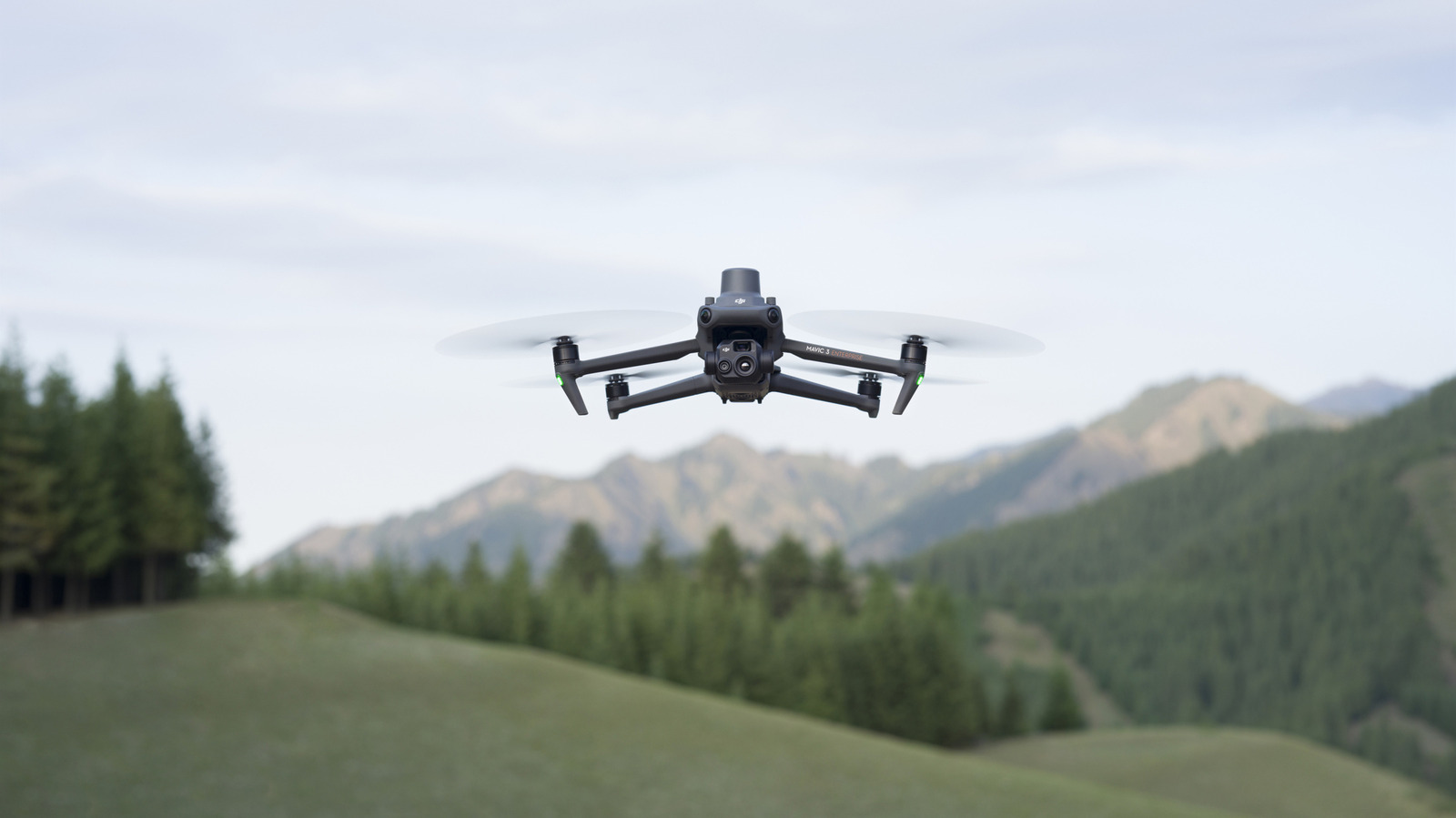
Under the waiver, all Uncrewed Aircraft Systems (UAS), UAS critical components, and routers produced in a foreign country that were authorized for use in the United States prior to being added to the Covered List may continue to receive software and firmware updates until at least January 1, 2029.
The waiver covers all software and firmware updates to ensure the continued functionality of the devices, such as those that patch vulnerabilities and facilitate compatibility with different operating systems. The FCC engineering office will recommend to the full Commission considering codifying this waiver through a rulemaking.

It will also recommend making the waiver permanent for existing equipment on the Covered List and any future covered equipment with similar characteristics. The Friday update extended the waiver to Class II permissive changes while the original waiver covered only Class I changes.

Class I changes include modifications in the equipment which do not degrade the characteristics reported by the manufacturer and can be made without a filing to the commission.

Class II changes may degrade the performance characteristics a manufacturer previously reported to the FCC but the changes are expected to be minimal compared to Class III changes. For both Class I and Class II, the FCC waiver covers software and firmware updates that mitigate harm to consumers. There is no change to the process for Class III changes.

Extending the waiver to 2029 will give the Commission an opportunity to consider a rulemaking on this subject and reduce potential harm to the public interest, the FCC Office of Engineering and Technology stated. The router ban also includes portable hotspots but not phones with hotspot features. Chinese drone company DJI has not received an exemption and sued the FCC over the ban.

TP-Link met with FCC officials in mid-April to discuss its request for an exemption. “TP-Link routers are safe and secure. Publicly available data places TP-Link on par with or ahead of other major industry players in terms of security outcomes,” the company said in a filing.

TP-Link was founded in China but relocated to the US in 2024. Companies seeking exemptions must obtain a determination from the Department of Defense or Department of Homeland Security that their routers do not pose unacceptable national security risks. -based company.

Many major router makers have not yet obtained exemptions that would let them import new models. The process for gaining exemptions for routers and drones is the same.

Key Facts

FCC extends software update waiver to January 1, 2029
The extension covers foreign-made routers and drones on the Covered List, includes Class II permissive changes, and may become permanent via rulemaking.
Hardware ban targets new devices only
All previously approved routers can continue to be sold; exemptions granted to Netgear and Eero while DJI sues and TP-Link seeks clearance.
Covered List devices deemed national security risks
Devices on the list require waivers for updates; FCC states waiver reduces potential harm to public interest until rulemaking concludes.

Story Timeline

5 events
  1. 2026-05-09

    FCC announces waiver extension to January 1, 2029 and expands to Class II permissive changes

    1 sourceArs Technica
  2. 2026-04-15

    TP-Link meets with FCC officials to discuss exemption request

    1 sourceArs Technica
  3. 2026-03-01

    Original software update cutoff date referenced in prior FCC rules

    1 sourceFCC via Ars Technica
  4. 2025

    TP-Link relocates headquarters to the United States

    1 sourceArs Technica
  5. 2024-03

    FCC announces original rules imposing hardware ban on new foreign-made routers and initial software cutoff

    1 sourceFCC via Ars Technica

Potential Impact

  1. 01

    Router manufacturers gain nearly two additional years to provide security patches and OS compatibility updates to existing customers

  2. 02

    Consumers with pre-ban foreign routers and drones avoid loss of functionality from unpatched vulnerabilities until at least 2029

  3. 03

    TP-Link and other non-exempt manufacturers face continued uncertainty on new hardware imports pending DOD or DHS national security determinations

  4. 04

    FCC engineering office recommendation could lead to permanent waiver for Covered List equipment with similar risk profiles

Transparency Panel

Sources cross-referenced1
Confidence score75%
Synthesized bySubstrate AI
Word count608 words
PublishedMay 11, 2026, 8:48 PM
Bias signals removed1 across 1 outlet
Signal Breakdown
Loaded 1

Related Stories

S&P 500 and Nasdaq Gain on AI Tech Strength Ahead of Trump-Xi MeetingRest of World
ai8 hrs ago

S&P 500 and Nasdaq Gain on AI Tech Strength Ahead of Trump-Xi Meeting

Markets advanced on May 13 2026 with AI-related tech shares providing the lift. President Donald Trump and President Xi Jinping are scheduled to meet in Beijing this week amid tensions over the war in Iran, Taiwan, and technology issues including chip exports and AI rivalry.

Reuters
SQ
Rest of World
3 sources
Trump Administration Defends Policy Allowing Visa Restrictions on Foreign Content Moderation Advocatesdeccanchronicle.com
technology8 hrs agoDeveloping

Trump Administration Defends Policy Allowing Visa Restrictions on Foreign Content Moderation Advocates

The Trump administration defended a State Department policy that permits restricting visas for foreign officials who pressure American technology platforms to adopt global content moderation standards. A nonprofit group of independent technology researchers filed a lawsuit seekin…

The Verge
1 source
Anthropic in Talks to Raise Tens of Billions at $950 Billion Valuationrte.ie
ai10 hrs ago

Anthropic in Talks to Raise Tens of Billions at $950 Billion Valuation

Anthropic is in talks to raise tens of billions of dollars in a funding round that would value the company at $950 billion, surpassing OpenAI's $854 billion valuation from March. The AI developer has quadrupled its market share among business customers since May 2025 and released…

Techcrunch
DI
SK
GB News
Wired
+1
6 sources