science
FDA Authorized Zyn Pouches and Later Removed Toxicologist’s Name from Environmental Finding
Christy Leppanen tested Zyn pouches herself in late 2024 and objected to the environmental assessment. The FDA authorized the product on January 16, 2025, and later corrected a document that had listed her as approving the review.
Jul 14, 5:30 AM·2m read1 source
 news.sky.com
Audio version
Tap play to generate a narrated version.
Developing·Limited corroboration so far. This page will refresh as more sources emerge.
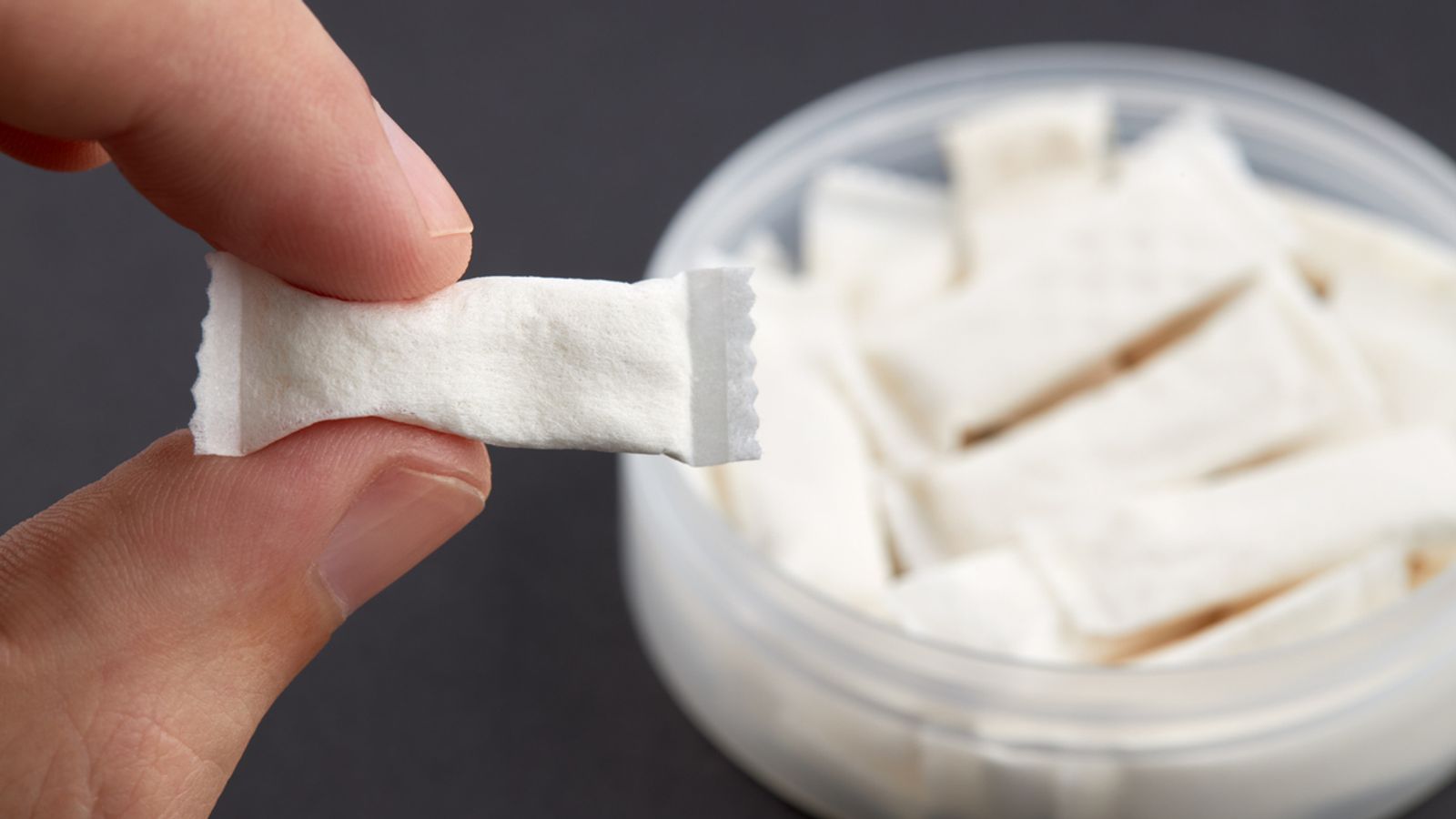
Stat reported that former FDA toxicologist Christy Leppanen tested Zyn nicotine pouches in her kitchen after a late 2024 conference and found they did not dissolve despite repeated claims from a colleague that they melted in the mouth. She bought a can of menthol flavor at the Mall of America, placed pouches in her mouth, soaked them in saliva, heated them in a microwave, crushed them, and sucked on them with no dissolution observed.
Leppanen, who led a project at the FDA’s Center for Tobacco Products on potential microplastics exposure from tobacco products, pushed colleagues over several weeks to examine health and environmental risks from the pouch material.
She was repeatedly rebuffed. The FDA authorized Zyn for sale on January 16, 2025, after an environmental assessment that remained in draft form when she left for vacation. An FDA document accompanying the authorization stated that Leppanen had signed a “finding of no significant impact” on January 2, 2025.
Leppanen stated she did not sign the document and was on leave without access to a work computer at the time. The agency updated the authorization in late March 2025 to remove her name from the finding, with the correction dated January 27, 2025. The FDA’s toxicology review concluded that the pouch material itself is unlikely to produce adverse health effects in consumers.
Leppanen sent a lengthy email to Center for Tobacco Products director Brian King documenting her objections after returning from vacation. She took a DOGE deferred resignation offer the following week.
On March 1, 2025, Leppanen submitted a public comment stating it was professionally damaging to be listed as the decision maker in determinations she did not make. On March 10, 2025, the FDA published a report concluding environmental impacts of nicotine pouches were minimal while acknowledging the assessment does not address potential effects of plastics and microplastics from pouch materials.