Fed Nominee Kevin Warsh Questions Dot Plot and Forward Guidance at Senate Banking Hearing
Kevin Warsh, nominated to replace Jerome Powell as U.S. Federal Reserve chair, outlined plans to reduce the central bank's forward guidance during an April 21, 2026, Senate hearing. He advocated for less communication on interest rate forecasts to avoid compounding errors. Market strategists expressed mixed views on potential changes to tools like the dot plot.
 realclearmarkets.com
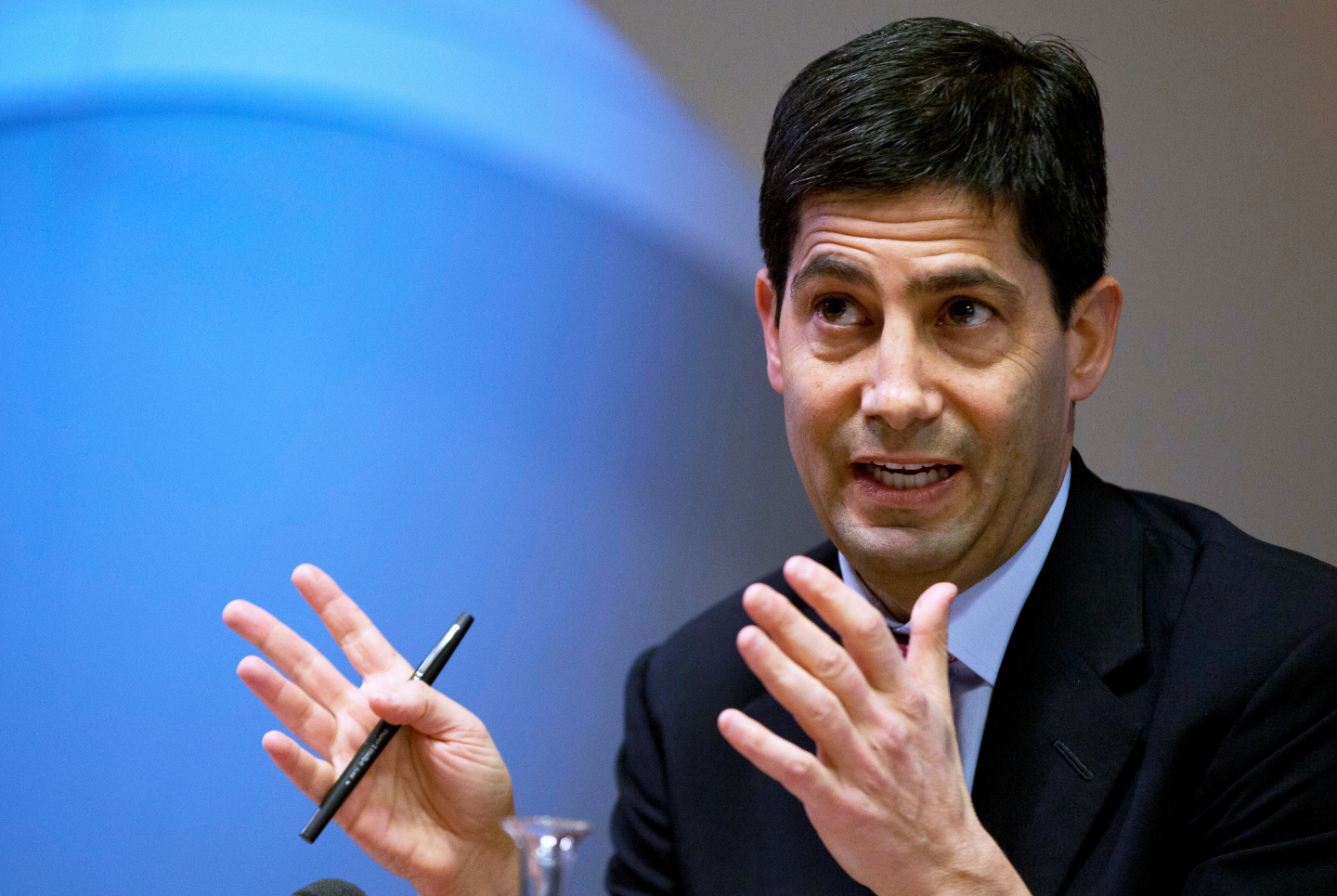
U.S. Federal Reserve, spoke during a Senate Banking Committee hearing on April 21, 2026, where he criticized the central bank's forward guidance practices. Warsh stated: 'The Fed tells the whole world what their dots are going to be, what their forecasts are going to be.'
' The dot plot, a chart published by the Fed four times a year showing where each of its top policymakers expect short-term interest rates to head, came under particular scrutiny from Warsh. @FortuneMagazine reported that Warsh has advocated for a 'back-seat Fed' for many years, emphasizing reduced communication to prevent market expectations and broken promises.
Jerome Powell, the current Fed chair, shares his views on the economy in monthly press briefings, while regional bank presidents provide updates on the path of monetary policy. Warsh, a former Fed governor, indicated that such overcommunication leads policymakers to hold onto forecasts longer than necessary. The dot plot was invented by the Fed in 2012.
A strategist told Fortune in an exclusive interview that 'I don’t think the market would like it' if the dot plot were removed. The strategist explained that having a rough idea of monetary policy trajectory helps assess valuations, noting it would be sorely missed.
Data from various sources highlighted disconnects in interest rates. Morgan Stanley noted in October 2025 that the spread between mortgage rates outstanding and new mortgage rates was over 2%, the highest in 40 years. The overnight rate in the United States is compressed by 175 basis points since September 2024, according to the strategist.
Further analysis showed impacts on consumer lending. Cox Automotive found in 2025 that despite Fed cuts, the average auto loan rate was continuing to increase year on year. @FortuneMagazine reported that investors have grown accustomed to the Fed's transparency, especially during recent economic uncertainty.