business
Federal Changes to Negative Gearing and Capital Gains Tax to Affect Queensland Housing
The federal government will limit negative gearing to new builds and reduce the capital gains tax concession as part of measures aimed at improving housing affordability for first home buyers. Queensland has experienced rapid home value growth and a widening gap between investors and first home buyers.
May 15, 6:59 PM·2m read3 sources


 The Sydney Morning Herald
Audio version
Tap play to generate a narrated version.
The federal government’s changes to negative gearing and capital gains tax will be felt most acutely in Queensland, according to economists and property researchers. Negative gearing will be restricted to new residential construction while the capital gains tax discount will be reduced.
The measures form part of a budget package designed to improve housing affordability for first home buyers by directing investor capital toward new supply.
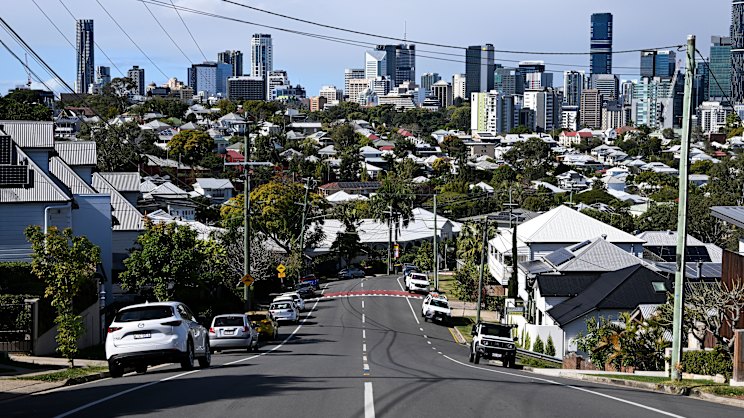
Queensland has recorded strong population growth that has tightened the housing market. Brisbane home values rose 84 per cent over five years, adding about $509,000 to the typical property, according to property researcher Cotality. By comparison, Melbourne values increased 5.8 per cent, or about $45,000, over the same period.
The gap between investors and first home buyers has widened. Loans to first home buyers fell to 16 per cent, about 1.5 percentage points below the national figure.
More than 80 per cent of investor lending in Queensland has gone toward established homes rather than new construction. Independent economist Saul Eslake said this practice does not increase housing supply because the dwellings already exist. He added that it places upward pressure on prices of existing properties.
Eslake stated that the changes could allow middle-income workers to purchase homes rather than compete in the rental market. Nearly 80 per cent of Queensland investors use negative gearing, compared with about 50 per cent nationally, according to the Property Council.
Veteran fund manager Geoff Wilson, founder of Wilson Asset Management, said the high adoption rate meant investors were more likely to leave the market, which could lead to lower prices. Cotality head of research Gerard Burg attributed Queensland’s price growth to an imbalance between supply and demand.