finance
Federal Reserve Chair Powell Discusses US Debt Management and Economic Growth Needs
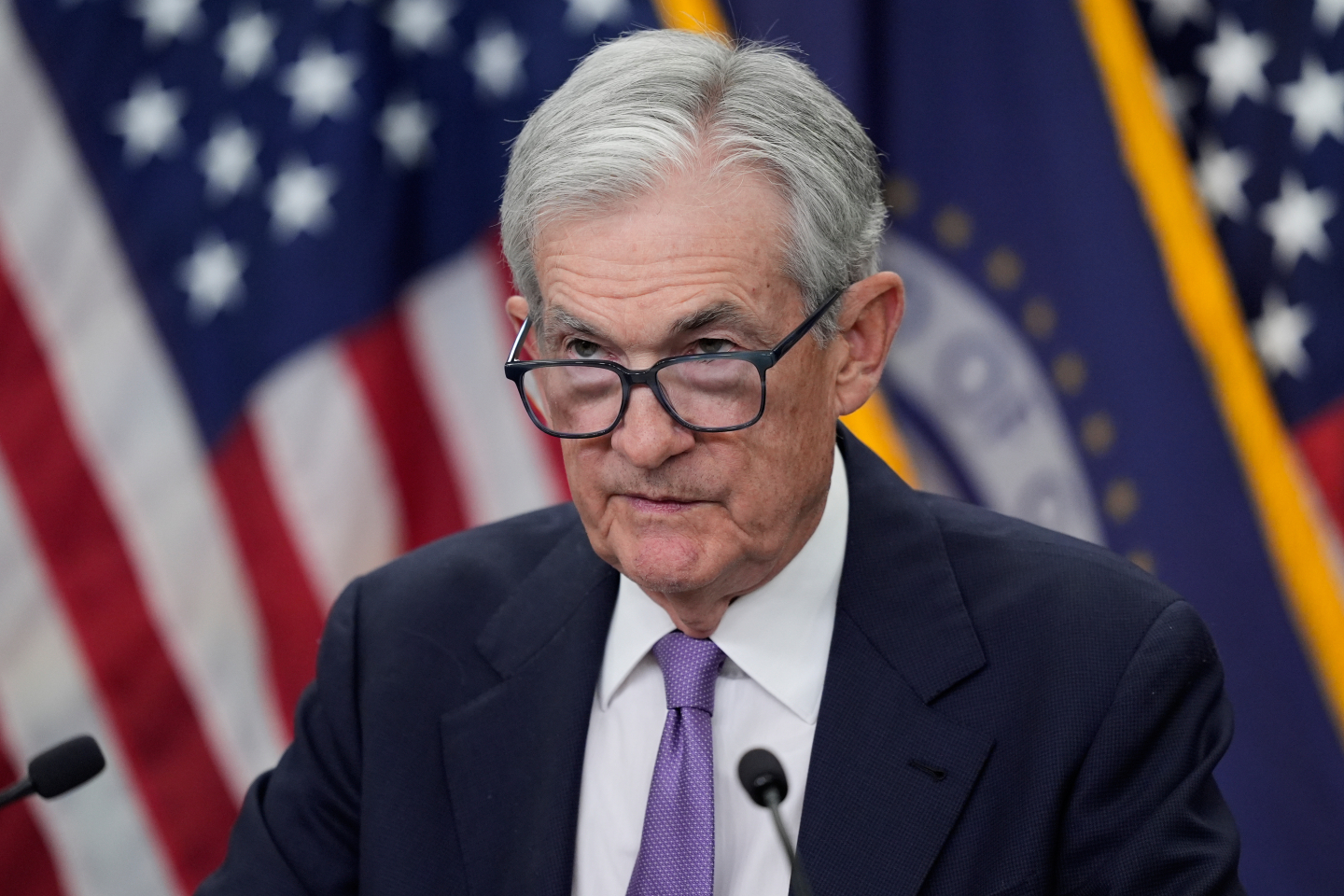
Federal Reserve Chair Jerome Powell stated that the US does not need to reduce its national debt but requires achieving primary balance and improving economic growth. He warned that failure to act soon could lead to unfavorable outcomes. The comments were made in the context of ongoing discussions about federal fiscal policy.
Apr 5, 12:01 PM·1m read1 source
UN
 realclearmarkets.com
Audio version
Tap play to generate a narrated version.
Federal Reserve Chair Jerome Powell addressed concerns about the US national debt during recent remarks. He emphasized that reducing the debt principal is not necessary, provided the government achieves primary balance, which refers to revenues covering non-interest expenditures. Powell highlighted the importance of fostering stronger economic growth to manage fiscal challenges.
Powell noted that current debt levels, which exceed $35 trillion as of late 2024, have prompted debates among policymakers. Primary balance would mean the federal budget excludes interest payments on existing debt, allowing the government to stabilize debt-to-GDP ratios without outright repayment. This approach aligns with economic strategies used by other nations facing similar fiscal pressures.
In his statement, Powell stressed the urgency of action. He indicated that without steps toward primary balance and enhanced growth, the situation could deteriorate. The Federal Reserve's role in this context involves monitoring inflation and employment, but Powell's comments underscore the interplay between monetary policy and fiscal decisions.
Achieving primary balance would require adjustments in federal spending or revenue collection, affecting various sectors including healthcare, defense, and social programs. Economists estimate that sustained growth above 2% annually could help offset rising debt burdens.
The stakes involve potential impacts on interest rates, as higher debt could increase borrowing costs for the government and consumers.
Powell's remarks come amid projections from the Congressional Budget Office that US debt could reach 122% of GDP by 2034 if current trends continue. Stakeholders, including investors, businesses, and households, are affected by these dynamics, as they influence market stability and long-term economic planning. The Federal Reserve continues to assess these factors in its policy deliberations.