Federal Reserve Holds Interest Rates Steady
The Federal Reserve kept its benchmark interest rate unchanged amid rising inflation, with four members dissenting from the decision. Chair Jerome Powell stated he will stay on the board as a governor after his term ends May 15, citing legal challenges from the Trump administration. The move comes as Kevin Warsh advances toward confirmation as Powell's successor.
 Substrate placeholder — needs review
The Federal Reserve's policy-setting committee decided to maintain its benchmark federal funds rate in the range of 3.5% to 3.75% during its April 29 meeting, marking the third consecutive hold. Four members dissented, the highest number since October 1992.
Fed Governor Stephen Miran advocated for a quarter-point rate cut, while Cleveland Fed President Beth Hammack, Minneapolis Fed President Neel Kashkari and Dallas Fed President Lorie Logan objected to statement language indicating potential future rate reductions.
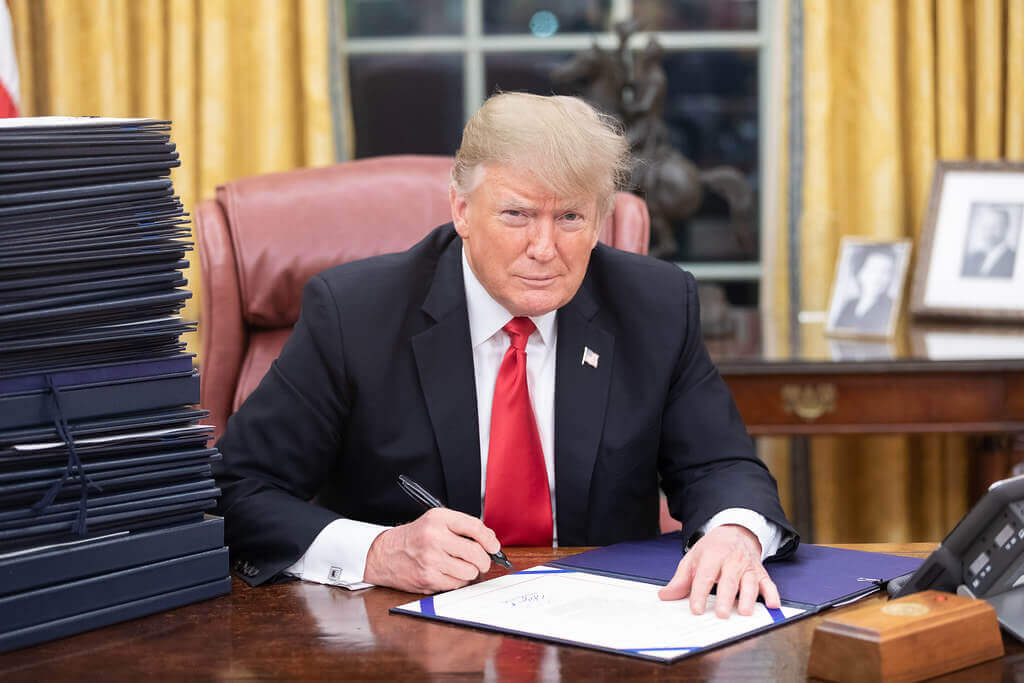
Following the announcement, Chair Jerome Powell said he plans to remain on the Fed's Board of Governors after his term as chair concludes on May 15, for an undetermined period.
Powell cited ongoing legal actions by the Trump administration as a factor in his choice to stay, describing them as unprecedented attacks on the central bank's independence. " — Jerome Powell, April 29, 2026 (AP) He linked his continued tenure to the completion of an inspector general report on cost overruns for the Fed's headquarters renovations, stating he would leave when the investigation concludes with finality and transparency.
Thom Tillis after U.S. Attorney for the District of Columbia Jeanine Pirro ended her office's probe into the Fed renovations, though she noted it could reopen if warranted. Inflation has risen, with the consumer price index increasing 0.9% in March, pushing the annual rate to 3.3%, the highest since April 2024.
Energy costs spiked 10.9%, including a 21.2% rise in gasoline prices, due to disruptions from the U.S. military operation in Iran and blockades in the Strait of Hormuz. The Fed's statement noted that developments in the Middle East contribute to uncertainty, with inflation elevated partly from global energy price increases.
The dissenting members expressed concerns over persistent inflation, which has been strained by the February 28 launch of Operation Epic Fury in Iran, causing energy price spikes. " — FOMC statement, April 29, 2026 (Daily Caller) Hammack, Kashkari and Logan opposed the statement's implication of forthcoming rate cuts, aligning with monetary theory that favors higher rates during inflation.