Federal Reserve Holds Rates Steady With Four Dissents; Powell Says He Will Remain as Governor
The Federal Reserve maintained its benchmark interest rate at 3.5% to 3.75% in a split decision, with four dissents marking the most since 1992. Chair Jerome Powell announced he will remain as a governor after his term ends, citing legal challenges to the central bank. The decision comes amid economic uncertainty from rising oil prices and the Iran war.
 BBC News
The Federal Reserve held its benchmark interest rate in a range of 3.5% to 3.75% at its April 2026 meeting, the third consecutive meeting this year with no change. The Federal Open Market Committee recorded four dissents, the most since Oct. 6, 1992.
Governor Stephen Miran voted for a quarter-point cut. Cleveland Fed President Beth Hammack, Minneapolis Fed President Neel Kashkari and Dallas Fed President Lorie Logan supported holding rates but dissented against retention of the policy statement’s easing bias language.
The statement said the committee would continue to assess incoming data, the evolving outlook and risks to its objectives.
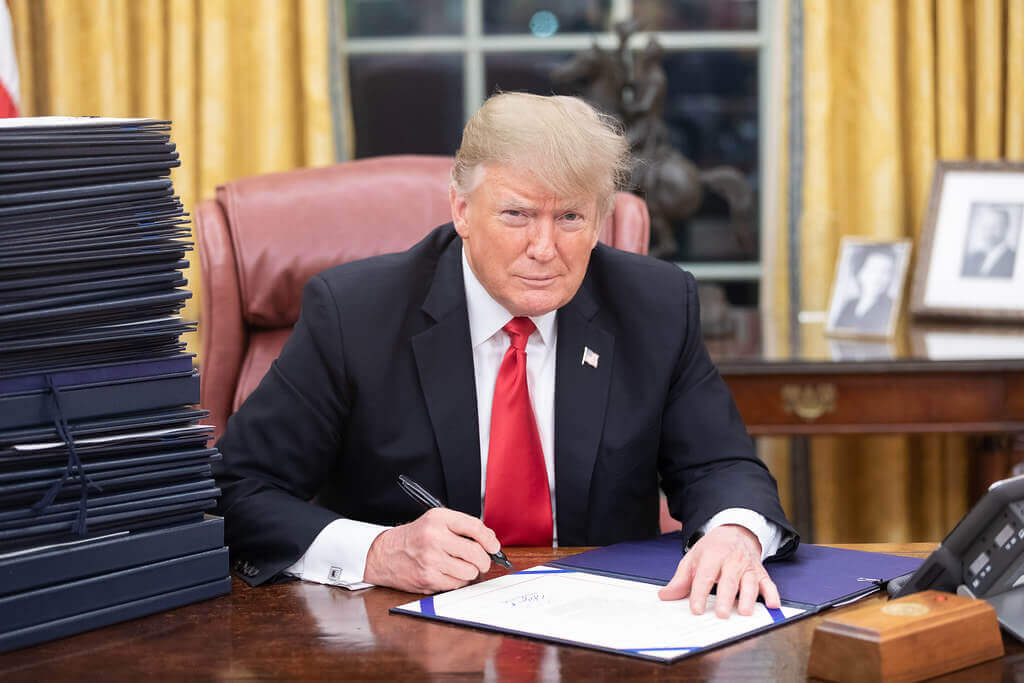
Powell told reporters he intends to remain on the Board of Governors after his term as chair ends. He said the decision follows the Justice Department’s closure of its investigation into him, with U.S. Attorney for the District of Columbia Jeanine Pirro announcing last Friday that the matter was being turned over to the Fed’s inspector general.
Powell stated he is watching the remaining steps of that process and plans to participate constructively in future meetings as a governor.
“I plan to keep a low profile as a governor. There is only ever one chair of the Federal Reserve Board. When Kevin Warsh is confirmed and sworn in, he will be that chair,” Powell said, according to Yahoo Finance. The Senate Banking Committee advanced Warsh’s nomination on a party-line vote earlier in the day.
Fed officials noted elevated inflation stemming in part from recent increases in global energy prices linked to conflict in the Middle East. Powell said the central bank had long anticipated temporary price shocks from tariffs and continued to expect those effects to subside.
“It’s time for that to happen. You know, we really do expect that to be happening in the next two quarters. So we’ll be watching very carefully to see that what we’ve thought all along would happen,” he said, per Yahoo Finance. ” Powell said the Fed would need to see energy prices peak and then decline before considering rate cuts.