science
FEMA Disaster Funding Backlog Delays Community Projects Across US States
States report delays in Federal Emergency Management Agency funding under the Trump administration, affecting wildfire and hurricane protection projects. NPR obtained documents showing FEMA owes nearly $10 billion to communities for disaster reimbursements. Recent policy changes have begun to address the backlog, though most funds remain unreleased.
 Npr
NprAudio version
Tap play to generate a narrated version.
States have reported delays in disaster funding from the Federal Emergency Management Agency under the Trump administration. These delays have slowed projects aimed at protecting communities from wildfires and hurricanes. NPR reported that FEMA owes communities billions, based on internal agency documents obtained by the outlet.
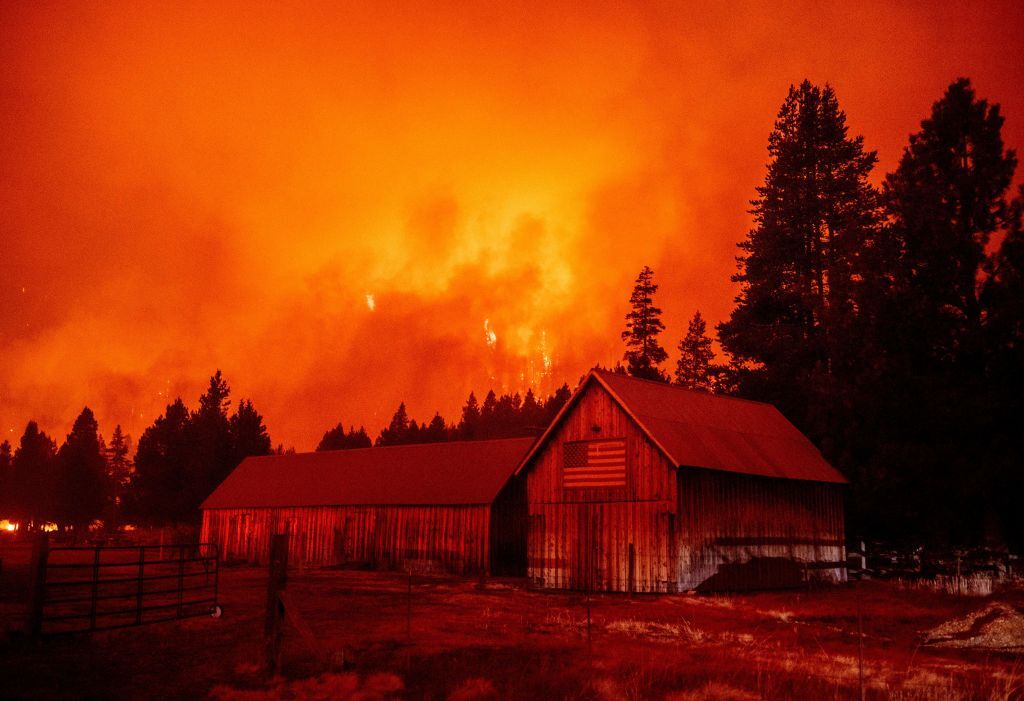
Placerville, California, features dense brush on rolling hillsides that dry out in hot summers, along with older wooden homes prone to ignition. The city is part of a pilot program to enhance home resilience against wildfires. Residents receive financial support for fire-resistant materials and brush clearing, funded primarily by FEMA.
El Dorado County, where Placerville is located, has prepared to enroll homes in the program. The project has been stalled due to lack of FEMA approval for the project plan. The county has not received a response from the agency.
Placerville is among hundreds of communities facing a growing backlog at FEMA.
The backlog includes funds under the Public Assistance Program, which reimburses states for upfront costs on infrastructure repairs after disasters, such as roads, bridges, and water treatment plants. Another portion involves the Hazard Mitigation Grant Program, which supports rebuilding and retrofitting to withstand future disasters.
Emergency managers from several states have noted ripple effects, including stress on local budgets and delays in long-planned projects.
Communities typically plan and pay for projects upfront before seeking reimbursement from FEMA. This process has led to challenges for state and local governments, with some taking emergency measures to cover costs, potentially affecting other programs.
FEMA did not respond to NPR's questions about the reasons for the funding slowdown or the amount owed to states. The backlog coincides with a policy decision that required reviews of grants for waste, fraud, and abuse, including FEMA grants. A report found that this policy slowed disaster aid.