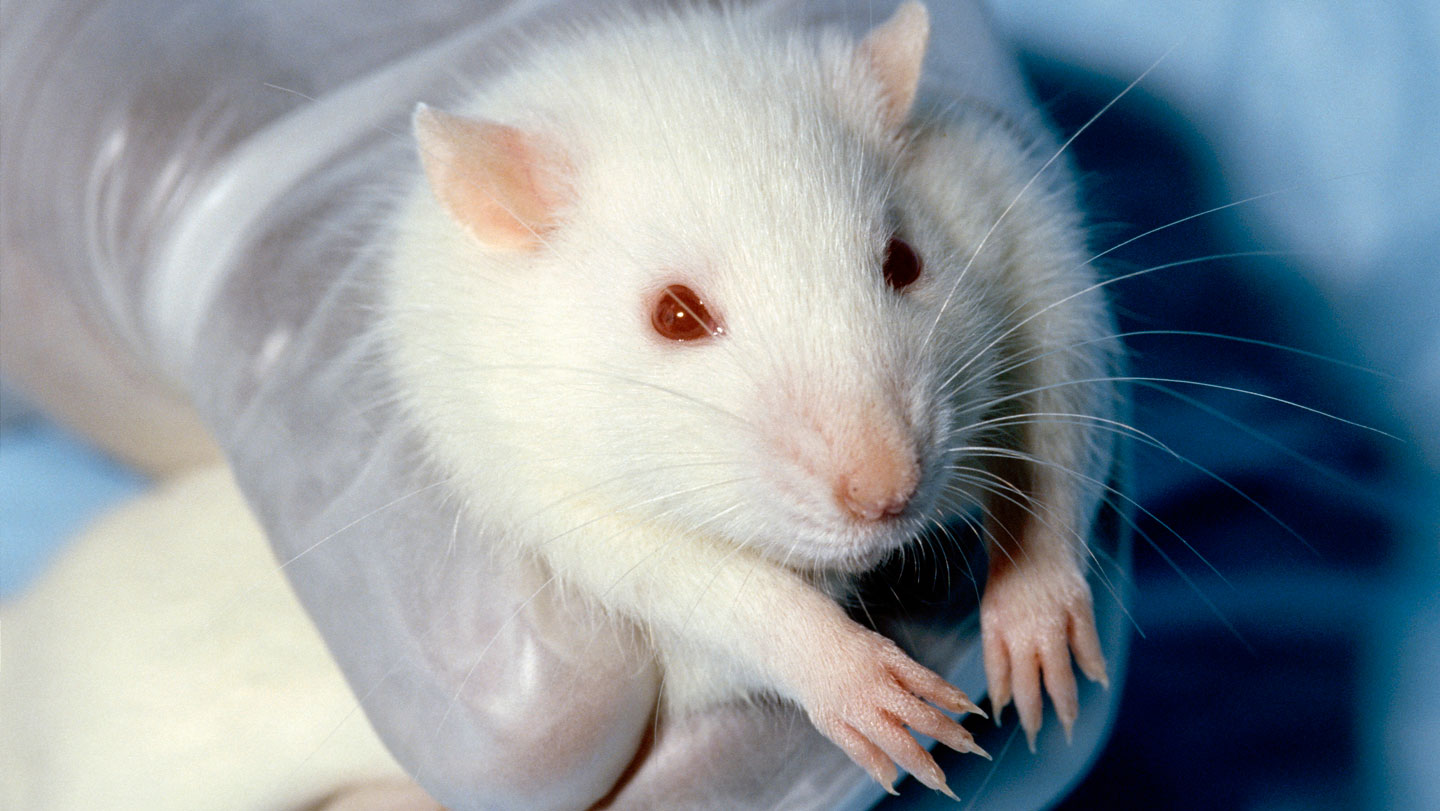
Female Rats Prefer Gentler Tickling Than Males
A study found that female rats show a stronger preference for low-pinning tickling sessions compared with high-pinning ones, while male rats responded equally to both. The research used a treat-burying test to measure positive emotional associations after different tickling protocols.
Science NewsFemale rats prefer gentler forms of tickling than males, according to a study published April 15 in Biology Letters. For nearly a decade, researchers have used standardized tickling as a technique to study positive emotions in rats. Data show that not all rats respond the same way to the handling.
The new findings suggest the same physical experience can produce different emotional responses depending on the animal's sex. The standard tickling protocol, developed in the 1990s, involves flipping a rat onto its back, pinning it and tickling its belly.
The method was designed to imitate the rough-and-tumble play typical of young male rats. An animal behavior researcher at Scotland’s Rural College in Edinburgh observed variation in how rats reacted to this approach and designed an experiment to test preferences.
In the study, rats experienced one of three conditions: high-pinning tickling, low-pinning tickling or a control with no interaction. The low-pinning version allowed rats to chase and be chased by the experimenter's hand before being tickled, with less time spent pinned.
Immediately afterward, each rat searched through a specific material such as felt, ribbons or cardboard to find a buried treat. The test measured how positively rats associated the material with the preceding experience. Happier rats formed stronger positive memories of the treat location.
Over multiple trials, rats could choose between materials linked to the different treatments or the control. Male rats chose materials associated with both high-pinning and low-pinning tickling more often than the control material, showing equal preference for the two tickling styles.
Female rats showed only a slight preference for the high-pinning treatment over no interaction. They chose the low-pinning material substantially more often than the control, indicating a clear preference for the gentler approach. These results align with observed differences in natural play behaviors between young male and female rats.
The researcher who led the work plans next to examine the physiology underlying positive emotions in the animals.
Since the 1930s, scientists have exposed rats to standardized negative experiences to measure stress. Developing reliable methods to study positive states took decades longer. The tickling protocol became a common tool because it elicits measurable responses linked to play and reward.
One scientist not involved in the study said the work shows rats as individuals with distinct preferences. Understanding the affective lives of animals remains a central challenge in welfare science.
Key Facts
Story Timeline
4 events- April 15, 2026
Study on rat tickling preferences published in Biology Letters.
1 sourceScience News - Past decade
Researcher conducted tickling experiments on rats.
1 sourceScience News - 1990s
Standard rat tickling protocol developed by researchers.
1 sourceScience News - 1930s
Researchers began using standardized negative experiences on rats.
1 sourceScience News
Potential Impact
- 01
Physiological research on positive emotions in rats is planned as next step.
- 02
Future rat studies on positive emotions may adjust protocols to account for sex differences.
- 03
Animal welfare assessments could incorporate individual and sex-specific preferences in handling.
- 04
Standard tickling method used for nearly 30 years may see increased scrutiny.
Transparency Panel
Related Stories
NprWHO Director Visits Congo as Ebola Outbreak Spreads
The head of the World Health Organization arrived in Kinshasa to support efforts against a rare Ebola strain. Health workers face equipment shortages, community distrust, and armed conflict in affected provinces.
medpagetoday.comFDA Panel Recommends XFG Variant for Fall Covid Shots
Replimune will submit an application to the FDA for the third time. Pfizer and Innovent Biologics reached a collaboration agreement valued at up to $10.5 billion.
Benzinga Publishes Article on Biotech Stocks During Pandemic Recovery
Benzinga published an article titled 'Best Biotech Stocks Right Now' that addresses the sector's position during global recovery from the pandemic. The piece notes government institutions and professional traders are focusing on biotech companies for vaccine and booster developme…