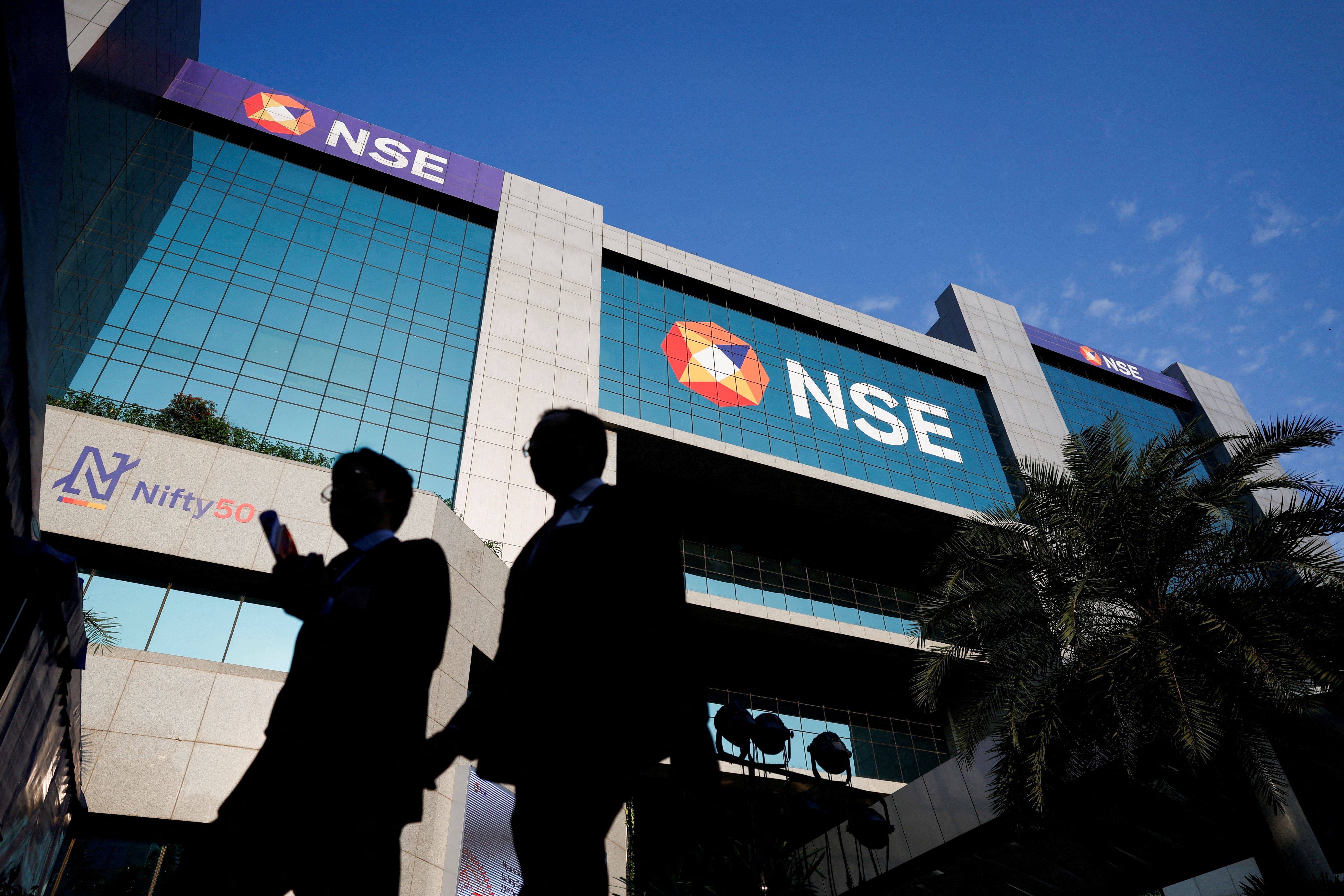
Foreign Investors Sell $21 Billion in Indian Stocks in Past Two Months Amid Global AI Shift
Outflows have put 2026 on track to be the worst year for foreign investment exits from India since markets opened to overseas capital in 1993. Investors have shifted toward South Korea and Taiwan amid booming AI chip demand while India grapples with ripple effects from the Iran war, a weakened rupee, and government calls to curb travel and gold purchases.
SemaforForeign investors have pulled $21 billion out of Indian stocks in the last two months, putting 2026 on track to be the worst year for outflows since the markets opened to overseas investment in 1993. The sustained exits mark a sharp reversal from earlier optimism about India's growth story.
Investors are instead looking to South Korea and Taiwan, where stocks are booming on the back of AI chip demand.
Semafor reported that India has been hit especially hard by the ripple effects of the Iran war. New Delhi recently urged Indians to travel less and stop buying gold as authorities sought to stem pressure on the country's external accounts. The rupee has weakened considerably in response to the combined forces of outflows and regional instability.
Adding to the markets’ pain, the digital arm of Reliance Industries is now rethinking its IPO. The offering was originally set to let existing investors cash out. It will instead be a fresh share sale to avoid worsening outflows, according to Semafor.
The change in IPO structure reflects broader caution across Indian corporate boardrooms as foreign portfolio investors continue their retreat. The $21 billion withdrawal over just two months already signals a pace that would eclipse any full-year record since overseas investment was first permitted.
Indian stock markets opened to overseas investment in 1993, a liberalization that helped transform the country's capital markets into one of Asia's deepest.
This year's reversal stands in contrast to the steady inflows that characterized much of the past three decades. The shift toward South Korea and Taiwan comes as global capital chases exposure to semiconductor supply chains tied to artificial intelligence. Demand for AI-related chips has lifted equities in both markets even as Indian benchmarks have come under pressure.
The Iran war's ripple effects have compounded domestic challenges. Government appeals to reduce overseas travel and curtail gold imports represent an attempt to conserve foreign exchange at a time when the rupee has already weakened considerably. Reliance Industries' decision to restructure its digital unit's IPO underscores how market conditions are influencing corporate timing and deal design.
By opting for a fresh share sale rather than allowing existing investors to exit, the company aims to limit additional selling pressure on already strained flows. The cumulative $21 billion outflow since early 2026 has erased gains for many domestic institutional investors who had anticipated continued foreign buying.
With the year still young, the current trajectory points to an unprecedented annual departure of overseas capital from Indian equities.
Key Facts
Story Timeline
5 events- 1993
Indian stock markets opened to overseas investment
1 sourceSemafor - May 12, 2026
Semafor publishes report on $21 billion foreign outflows from Indian stocks in prior two months
1 sourceSemafor - Early 2026
Foreign investors begin sustained withdrawals from Indian equities amid Iran war ripple effects
1 sourceSemafor - Recent weeks prior to May 2026
New Delhi urges citizens to travel less and stop buying gold; rupee weakens considerably
1 sourceSemafor - May 2026
Reliance Industries digital arm shifts IPO from existing investor cash-out to fresh share sale
1 sourceSemafor
Potential Impact
- 01
Comparative underperformance of Indian equities versus AI-driven rallies in South Korea and Taiwan
- 02
Accelerated weakening of the Indian rupee due to sustained foreign capital outflows
- 03
Delayed or restructured corporate fundraising events such as the Reliance digital arm IPO
- 04
Increased pressure on India's foreign exchange reserves prompting government appeals to reduce gold buying and overseas travel
Transparency Panel
Related Stories
ibtimes.comSEC Chair Paul Atkins Says Congress Will Pass Crypto Legislation
SEC Chair Paul Atkins stated he is confident Congress will pass crypto market structure legislation. He added that President Trump will sign the bill into law.
asiaone.comIran Says Strait of Hormuz Management Belongs to Iran and Oman
Iran's Foreign Ministry spokesperson stated that control of the Strait of Hormuz must be decided solely by Iran and Oman. The spokesperson also said no agreement has been reached with the United States and that current focus remains on ending the war.
cnbc.comFed Official Highlights Regulatory Barriers to AI Productivity Gains
A Federal Reserve official stated that productivity growth remains key to economic expansion and that regulatory hurdles are the main obstacle to sustained gains from artificial intelligence.