ai
Former Tesla data labelers say they would not trust Full Self-Driving
Seven former staffers who trained Tesla's driver-assistance software told Reuters they would not rely on the Full Self-Driving feature. They cited repeated observed failures during their work labeling data for the system.
May 28, 11:15 AM·1m read1 source
 fastcompany.com
Audio version
Tap play to generate a narrated version.
Developing·Limited corroboration so far. This page will refresh as more sources emerge.
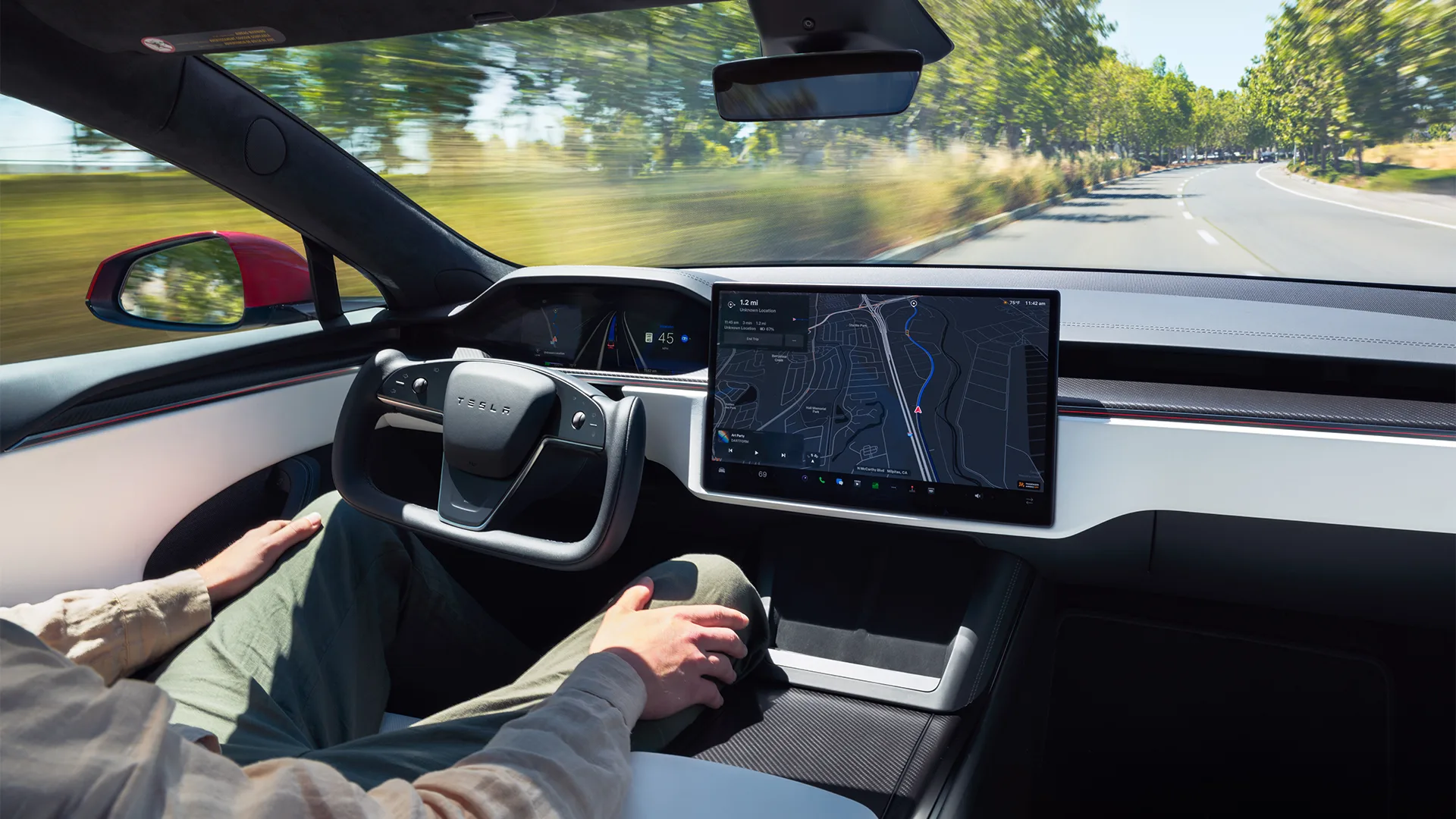
Seven former Tesla data labelers told Reuters they would not trust the company's Full Self-Driving feature to operate a vehicle. The workers had been responsible for labeling data used to train the AI-powered driver-assistance software. One former labeler stated that repeated failures observed during their employment led them to conclude the system could not be relied upon.
Background on data labeling role Data labelers review video and sensor inputs to mark objects, lanes, and traffic signals so the software can learn to recognize them. Their annotations form part of the training data for the Full Self-Driving feature.
The seven individuals spoke on condition of anonymity, according to Reuters. They described instances in which the software did not correctly interpret road conditions during testing. No company response was included in the Reuters report.
Transparency
How sources framed this
Single source — no framing comparison available.
CorroborationModerate · 1 source