world
Former US Ambassador Nicholas Burns Discusses US Security in NPR Interview on Iran Policy
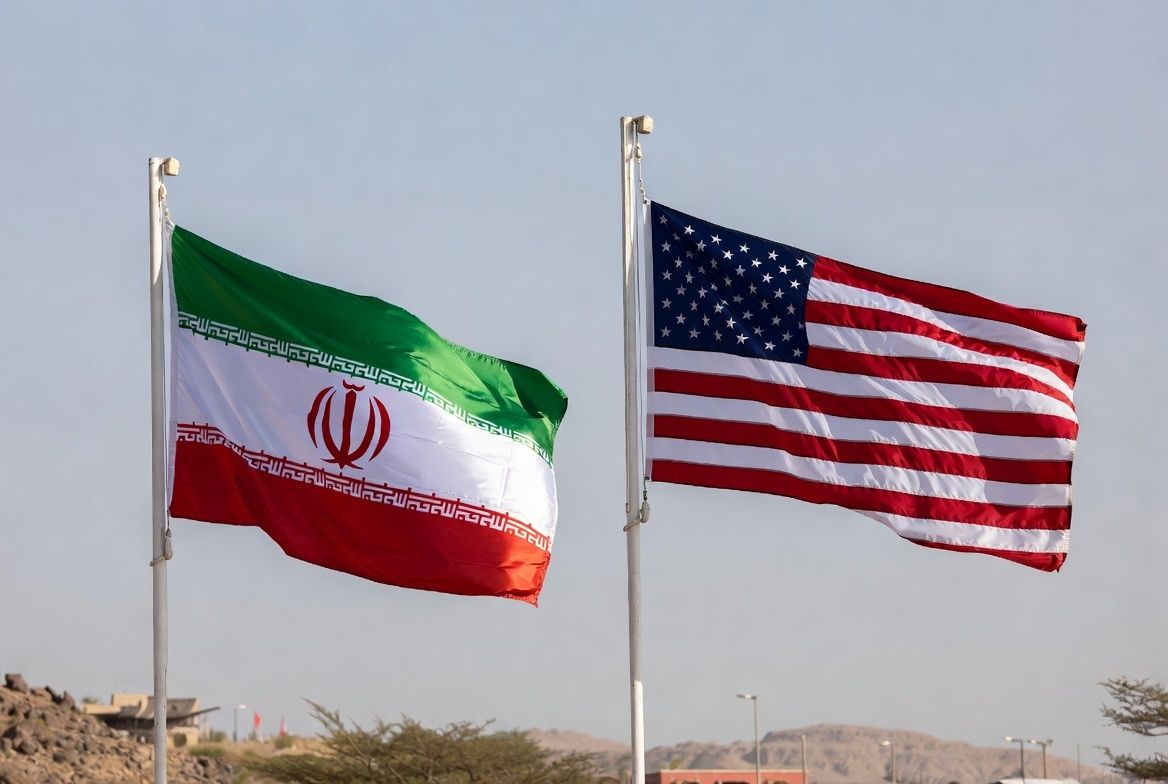
NPR's Leila Fadel interviewed former US Ambassador Nicholas Burns about US security following actions by the Trump administration toward Iran. The discussion addressed whether the US is safer after those actions. Burns provided insights based on his diplomatic experience.
Apr 10, 6:54 AM·2m read1 source
 Substrate placeholder — needs review
Audio version
Tap play to generate a narrated version.
NPR's Leila Fadel conducted an interview with Nicholas Burns, former US Ambassador, focusing on US security in relation to Iran policy under the Trump administration. The conversation examined the implications of US actions toward Iran. Burns, who served as ambassador to NATO and in other diplomatic roles, offered analysis on regional dynamics.
The interview centered on the question of whether the US is safer following the Trump administration's approach to Iran. This approach included the 2020 airstrike that killed Iranian General Qasem Soleimani, authorized by then-President Donald Trump. The strike occurred near Baghdad International Airport in Iraq on January 3, 2020, and was part of escalating tensions between the US and Iran.
Burns discussed the broader context of US-Iran relations, including the US withdrawal from the 2015 Joint Comprehensive Plan of Action nuclear deal in 2018. He addressed how these events affected US interests in the Middle East. The former ambassador highlighted ongoing challenges such as Iran's nuclear program and regional proxy conflicts.
relations have been strained since the 1979 Iranian Revolution, with key flashpoints including the 2015 nuclear agreement and subsequent US withdrawal.
The Soleimani strike was justified by the Trump administration as a response to threats against US personnel. Iran retaliated with missile strikes on US bases in Iraq, resulting in no fatalities but over 100 US service members diagnosed with traumatic brain injuries. Burns noted the stakes for US allies in the region, including Israel and Gulf states, which face potential Iranian aggression.
He also covered the impact on global energy markets due to threats to shipping routes like the Strait of Hormuz. The discussion included perspectives on diplomatic efforts to de-escalate tensions post-strike.
The interview touched on what happens next in US foreign policy toward Iran, including potential negotiations or sanctions.