world
Former USAF Special Tactics Member Describes Rapid Setup of Impromptu Airfield in Iran as U.S. Base
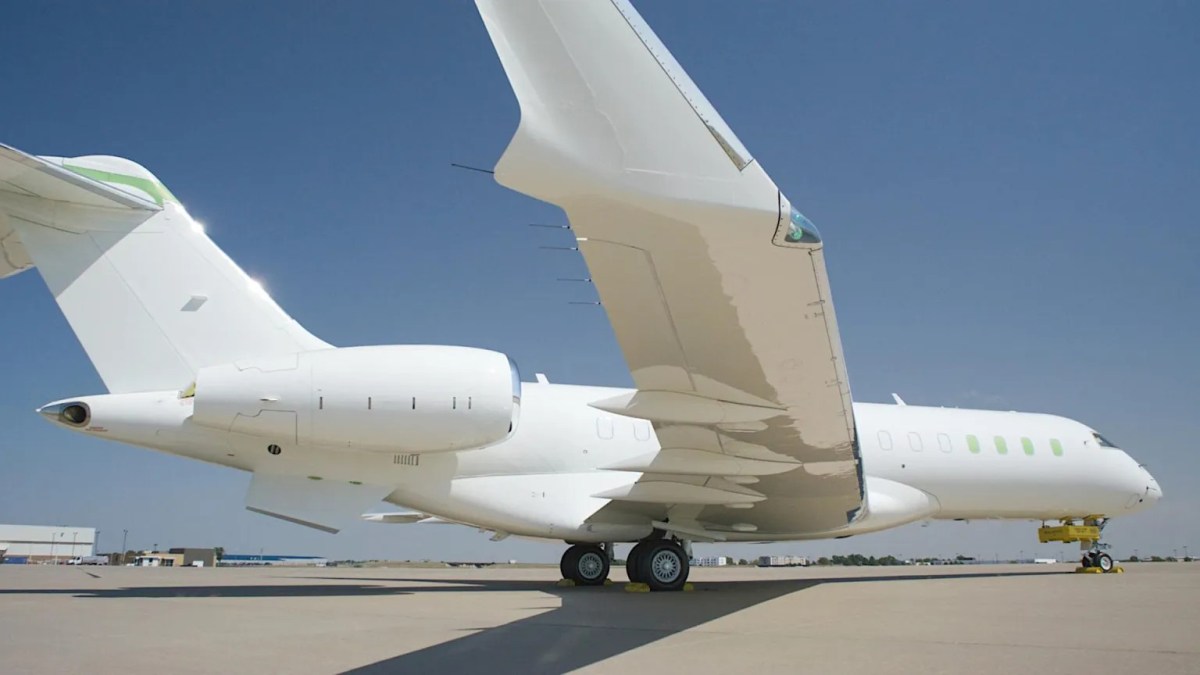
A former member of the U.S. Air Force Special Tactics Squadron explained how a dusty strip in Iran could be transformed into a U.S. special operations base within hours. The process involves rapid establishment and defense of the site. The account appears in an exclusive article from The War Zone.
Apr 6, 2:56 PM·2m read2 sources
TH
 tass.com
Audio version
Tap play to generate a narrated version.
the Concept A former U.S. special operations base in a matter of hours. This hypothetical scenario focuses on the technical and tactical steps required for such an operation. The explanation highlights the expertise of special tactics teams in austere environments.
The article, published by The War Zone, presents this as an exclusive account based on the ex-member's experience. No other sources corroborate the specifics of this Iranian location scenario. The discussion emphasizes speed and adaptability in establishing airfields without permanent infrastructure.
to the former squadron member, the initial phase begins with site assessment and clearing of the dusty strip to accommodate aircraft landings.
Special tactics personnel would deploy via helicopter or low-flying fixed-wing aircraft to secure the perimeter. Runway preparation involves minimal equipment to level the surface for C-130 or similar transport planes. Defensive measures include setting up observation posts and anti-aircraft positions using portable systems.
The ex-member noted that combat controllers would coordinate air traffic immediately upon arrival. This allows for the influx of additional personnel and supplies within the first hour.
“— The War Zone, date not specified (The War Zone)”
Once established, the base would integrate electronic warfare tools to jam enemy communications and radar. The former member described layering defenses with small arms, mortars, and drone surveillance to deter ground assaults. Sustainability relies on airdrops for fuel and munitions to maintain operations for several days.
The scenario assumes a remote location to minimize initial detection. Challenges include dust interference with engines and potential Iranian response forces. The account draws from real-world special operations training but applies it hypothetically to Iran.