science
Fossils Show Flowering Plants Produced Fleshy Fruits Before Dinosaur Extinction
A study of 450 fossils from New Mexico indicates that flowering plants produced a wide range of seeds and fleshy fruits more than 74 million years ago. The findings suggest animals dispersed these seeds earlier than previously thought.
 Science News
Audio version
Tap play to generate a narrated version.
Developing·Limited corroboration so far. This page will refresh as more sources emerge.
Fossilized fruits and seeds from the Late Cretaceous indicate that flowering plants produced fleshy fruits and winged seeds more than 74 million years ago. Researchers examined 450 fossils collected from volcanic ash deposits in south-central New Mexico between 1992 and 2016.
The specimens displayed nearly 80 distinct shapes, with more than one-third resembling berries and the largest reaching the size of a small date.
Scientists had previously concluded that flowering plants relied mainly on wind for seed dispersal until after an asteroid impact 66 million years ago ended the Cretaceous Period. The new fossils show greater variety in seed and fruit forms than earlier records indicated.
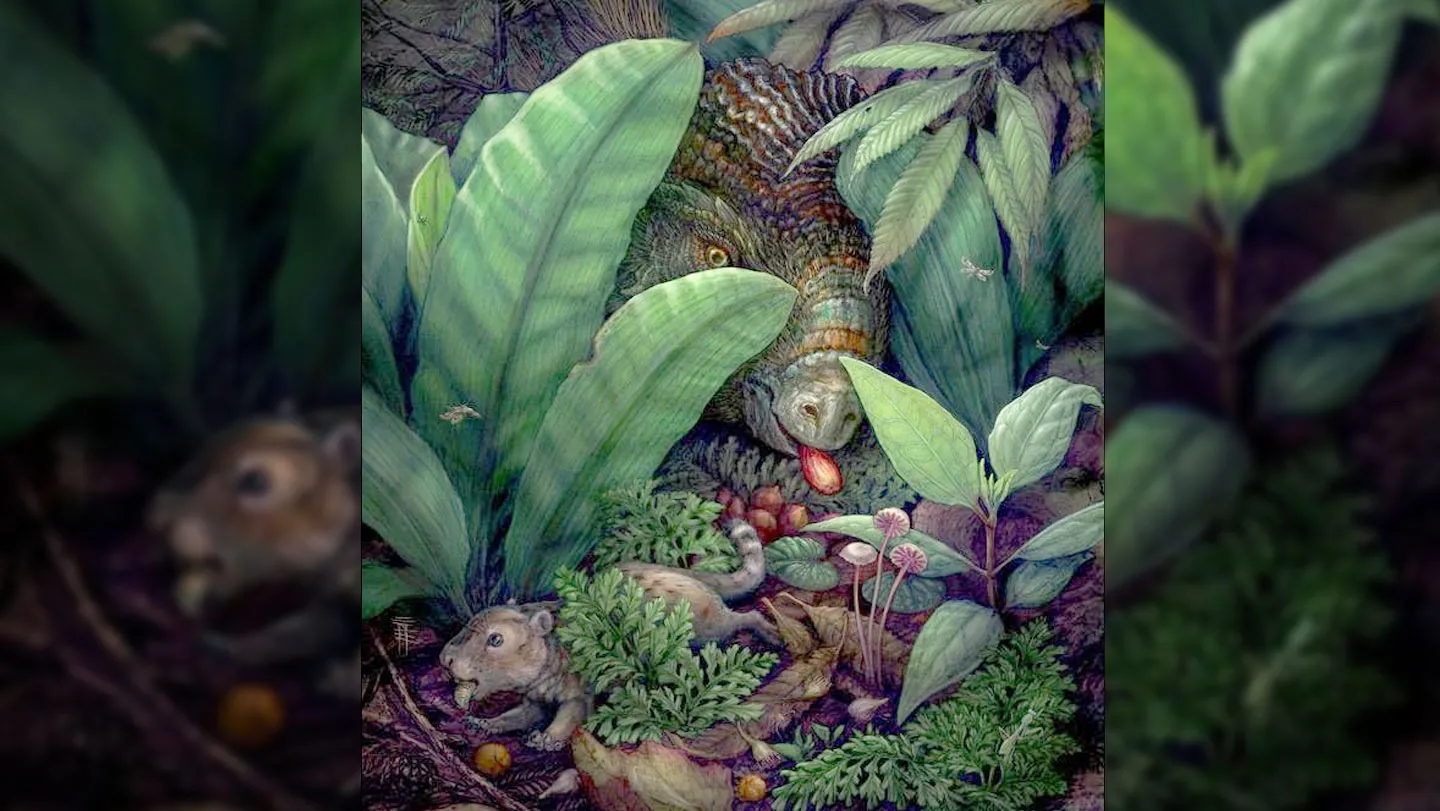
Similarities between the ancient structures and modern fruits suggest that Cretaceous animals, possibly including pterosaurs and extinct rodentlike mammals, consumed the fruits and dispersed the seeds. Fossilized dung containing diaspore fragments supports the idea that vertebrates ingested these structures.
Further sampling at other Late Cretaceous sites would help determine whether these fruit-bearing plants were widespread.