Substrate
world

Four LNG Carriers Formerly Owned by Oman Sold to Turkish Entities and Reflagged Under Russia, Heading North in Atlantic

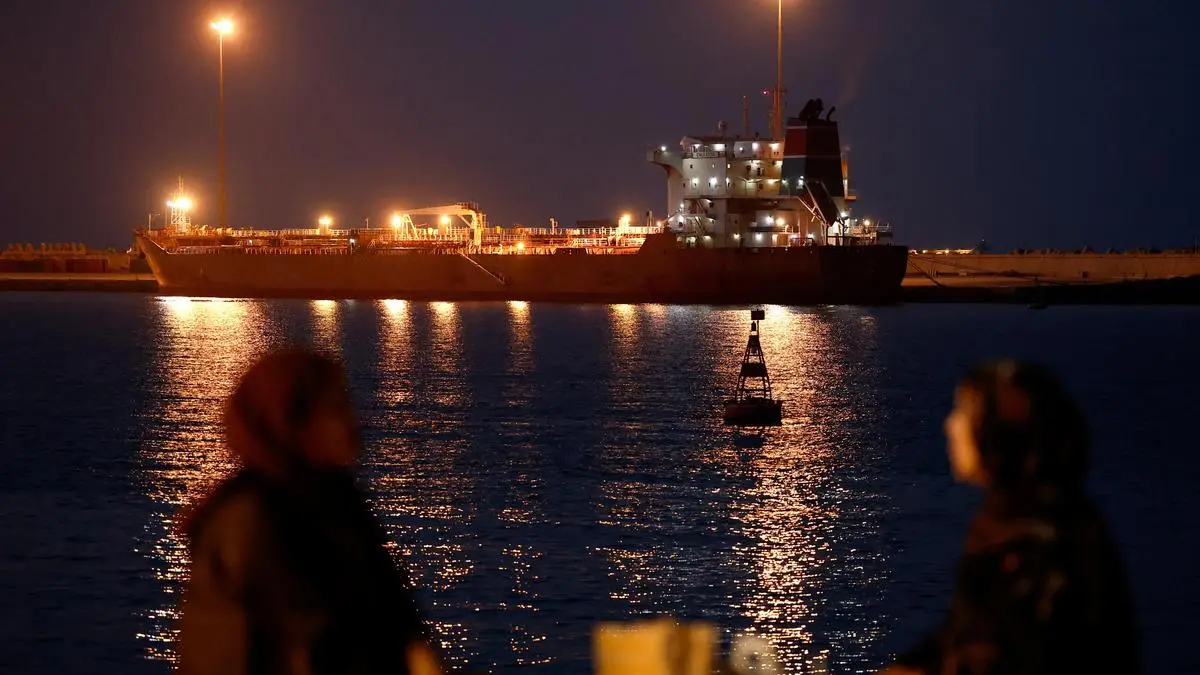
Four liquefied natural gas carriers, previously part of Oman's Asyad Shipping fleet, have been sold, renamed multiple times, and transferred to the Russian flag. They are now heading north in the Atlantic, with one signaling Murmansk as its destination. This occurs amid tightening sanctions on Russian energy exports and reports of nearly 100 shadow fleet ships crossing UK waters.

Reuters
gcaptain.com
2 sources·Apr 28, 11:40 PM(30 days ago)·2m read
Four LNG Carriers Formerly Owned by Oman Sold to Turkish Entities and Reflagged Under Russia, Heading North in Atlanticthehindubusinessline.com
Audio version
Tap play to generate a narrated version.
Developing·Limited corroboration so far. This page will refresh as more sources emerge.

Four recently reflagged liquefied natural gas carriers linked to new Turkish-controlled entities are heading north in the Atlantic. Vessel tracking data shows Kosmos and Merkuriy steaming north off the coast of Portugal as of April 28, 2026. Luch and Orion are following off West Africa as of the same date.

In recent days before April 28, 2026, Luch started signaling Murmansk as the intended destination. The four vessels were formerly part of Oman’s Asyad Shipping fleet and were sold en bloc earlier in 2026 for roughly $110 million, according to company disclosures and shipbroking sources.

Since the sale, they have undergone multiple renamings, brief re-registration under the Indian Register of Shipping, and eventual transfer to the Russian flag and maritime register.

New controlling interests behind the vessels are linked to Turkish entities, including Fidelity Denizcilik ve Ticaret and Celtic Maritime & Trading. Kosmos, formerly Salalah LNG and built in 2005 with a capacity of about 148,000 cubic meters, was renamed Cagri LNG and then Ocean LNG before adopting its current Russian-flagged identity.

Equasis database lists it as owned by Hong Kong-based Mighty Ocean Shipping with Turkish management links.

Luch, formerly Ibri LNG and built in 2006 with a capacity of about 147,000 cubic meters, became Akit LNG and then Lake LNG before re-emerging under its current name tied to Mighty Ocean Shipping. Orion, formerly Nizwa LNG and built in 2005 with a capacity of about 147,700 cubic meters, was renamed Vakit LNG and Sea LNG before its latest transition.

Equasis shows ownership through Turkey-based Celtic Maritime & Trading.

Merkuriy, formerly Ibra LNG and built in 2006 with a capacity of about 147,100 cubic meters, became Zahit LNG before switching to its current identity and Russian flag in March 2026. These changes align with a broader pattern where Novatek and affiliated interests embarked on a buying spree for second-hand carriers in 2024 to bolster export capabilities amid sanctions constraints.

Analysts at Vortexa and CHNL estimate Russia may require around 30 additional LNG carriers to sustain exports from its projects. A ban on short-term Russian LNG contracts took effect on April 25, 2026. A full prohibition on long-term Russian LNG imports is due from January 1, 2027.

Separately, nearly 100 ships associated with Russia's shadow fleet have crossed UK waters recently, Reuters reported. The shadow fleet consists of vessels used to transport Russian oil in the context of international sanctions. These crossings occurred amid geopolitical tensions related to the sanctions, with the ships undeterred by a threat from UK officials, according to the report.

The ongoing activities of the shadow fleet enable the transport of Russian oil despite restrictions imposed by various countries. Fleet operations have been monitored in response to these tensions. Shipping databases and industry reports indicate that the ultimate beneficial ownership of the four LNG carriers remains opaque.

The acquisition of these relatively aging, conventional LNG tonnage reflects efforts to expand Russia's constrained export fleet. The four reflagged vessels could support projects like Yamal LNG through direct loading or ship-to-ship transfers. Their movement north toward Russia’s LNG export hubs suggests integration into broader export sustainment efforts as logistical and sanctions challenges increase.

Key Facts

Vessel movements
Four LNG carriers heading north: Kosmos and Merkuriy off Portugal, Luch and Orion off West Africa, with Luch signaling Murmansk
Sale and reflagging
Vessels sold for $110 million in 2026, underwent multiple renamings and transfer to Russian flag, linked to Turkish entities
Sanctions context
Ban on short-term Russian LNG contracts effective April 25, 2026; full prohibition on long-term imports from January 1, 2027
Shadow fleet activity
Nearly 100 ships associated with Russia's shadow fleet crossed UK waters recently
Export needs
Russia may require around 30 additional LNG carriers to sustain exports, per Vortexa and CHNL estimates

Story Timeline

6 events
  1. 2026-04-28

    Kosmos and Merkuriy steaming north off Portugal; Luch and Orion off West Africa; Luch signals Murmansk as destination

    1 sourceVessel tracking data
  2. 2026-04-25

    Ban on short-term Russian LNG contracts takes effect

    1 sourceunattributed
  3. 2026-03

    Merkuriy switches to current identity and Russian flag

    1 sourceunattributed
  4. 2026 (earlier)

    Four vessels sold en bloc for roughly $110 million

    1 sourcecompany disclosures and shipbroking sour
  5. 2024

    Novatek and affiliated interests begin buying spree for second-hand carriers

    1 sourceunattributed
  6. Recent (prior to 2026-04-29)

    Nearly 100 shadow fleet ships cross UK waters

    1 sourceReuters

Potential Impact

  1. 01

    Limitations on EU deliveries due to Russian flag, shifting focus to alternative routes and markets

  2. 02

    Expansion of Russia's LNG export capacity amid sanctions, potentially sustaining flows to non-EU markets like China

  3. 03

    Increased monitoring of shadow fleet operations in international waters, affecting sanction enforcement

  4. 04

    Potential deployment of vessels for Yamal LNG or Arctic LNG 2 projects via ship-to-ship transfers

  5. 05

    Broader geopolitical tensions from continued shadow fleet crossings in areas like UK waters

Transparency Panel

Sources cross-referenced2
Framing risk28/100 (low)
Confidence score74%
Synthesized bySubstrate AI
Word count523 words
PublishedApr 28, 2026, 11:40 PM
Bias signals removed4 across 4 outlets
Signal Breakdown
Loaded 2Speculative 2

Related Stories

WHO Chief Visits DRC as Ebola Death Rate Reaches 30-50%The Guardian
world1 hr ago

WHO Chief Visits DRC as Ebola Death Rate Reaches 30-50%

World Health Organization director-general Tedros Adhanom Ghebreyesus arrived in the Democratic Republic of the Congo to support containment of a new Ebola outbreak. The agency revised the death rate to 30-50% based on confirmed cases and recorded 10 confirmed and 223 suspected d…

SK
The Guardian
2 sources
Greek National Charged in UK With Aiding Iran-Linked Intelligence Servicewesternjournal.com
world1 hr ago

Greek National Charged in UK With Aiding Iran-Linked Intelligence Service

A 46-year-old Greek man living in Germany was charged under the UK National Security Act with assisting an intelligence service believed to be Iran by targeting a journalist at Iran International.

Reuters
BBC News
2 sources
Bilt Rewards reports $1 billion revenue target for 2026physicianonfire.com
world1 hr agoDeveloping

Bilt Rewards reports $1 billion revenue target for 2026

Bilt Rewards CEO Ankur Jain said the company's flagship credit card accounts for less than 11 percent of revenue. The firm now processes more than $100 billion in annual housing spend across one in four U.S. apartment buildings.

FO
1 source