French Constitutional Council Strikes Down Low-Emission Zone Abolition
The Constitutional Council ruled that an article abolishing low-emission zones was unrelated to the original purpose of a bill on economic simplification. The decision came after the National Assembly approved the measure in April.
 Le Monde
The Constitutional Council on Thursday, May 21, struck down an article that would have abolished low-emission zones in France. The article had been added to a broader law intended to simplify economic life and ease regulations for businesses.
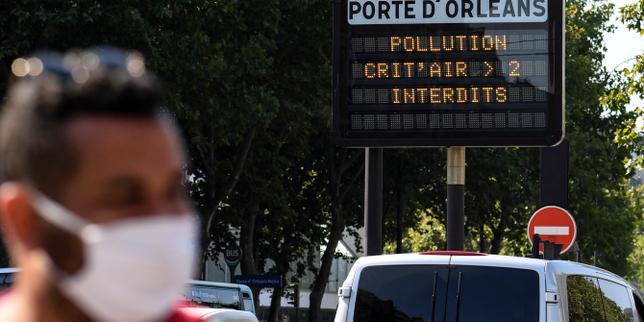
Low-emission zones were created to restrict older vehicles in major cities as a way to reduce air pollution. The zones require vehicles to display a Crit'Air sticker indicating their emissions level. The move to abolish the zones was introduced through amendments by the far-right Rassemblement National and the conservative Les Républicains parties.
The final vote had originally been scheduled for January 27 but was postponed until after the March municipal elections. The government had hoped to reach a compromise allowing local authorities to decide whether to keep or scrap the zones, but those efforts did not succeed.
Key Facts
Story Timeline
4 events- January 27
Final vote on the bill was originally scheduled.
1 sourceLe Monde - March
Municipal elections took place.
1 sourceLe Monde - April 14
National Assembly approved the bill including the low-emission zone abolition.
1 sourceLe Monde - May 21
Constitutional Council struck down the article abolishing low-emission zones.
1 sourceLe Monde
Potential Impact
- 01
Low-emission zones remain in place in major French cities.
- 02
Local authorities retain authority over existing pollution restrictions.
Transparency Panel
Related Stories
 straitstimes.com
Journalists in Gaza to Receive 2026 Golden Pen of Freedom Award
Three international news agencies will accept the award on behalf of their local staff still reporting from the territory. The World Association of News Publishers cited the journalists' continued coverage under extreme conditions.
 upi.com
Supreme Court Revives Havana Docks Lawsuit Over Confiscated Cuban Property
The U.S. Supreme Court sent a Helms-Burton Act case back to lower courts for further argument. The suit seeks damages from cruise lines that used docks seized by Cuba in 1959.
 France 24
Pakistan Population Growth Outpaces Infrastructure as Male Contraception Stays Taboo
Pakistan's population exceeds 258 million and could reach 300 million by 2030. Contraception remains largely taboo in a society shaped by traditional values. The country continues to lag behind neighbors India and Bangladesh in key social sectors.