finance
Frontier Adds Capacity at Airports Where Spirit Had Large Presence
Frontier Group Holdings Inc. has added 3 million seats to its schedule between June and September following the shutdown of Spirit Airlines on May 2. The additions target airports including Orlando, Las Vegas and Dallas-Fort Worth. Most other U.S. carriers are reducing or holding capacity steady amid higher fuel costs.
May 10, 11:04 AM·2m read1 source
 marketwatch.com
Audio version
Tap play to generate a narrated version.
Developing·Limited corroboration so far. This page will refresh as more sources emerge.
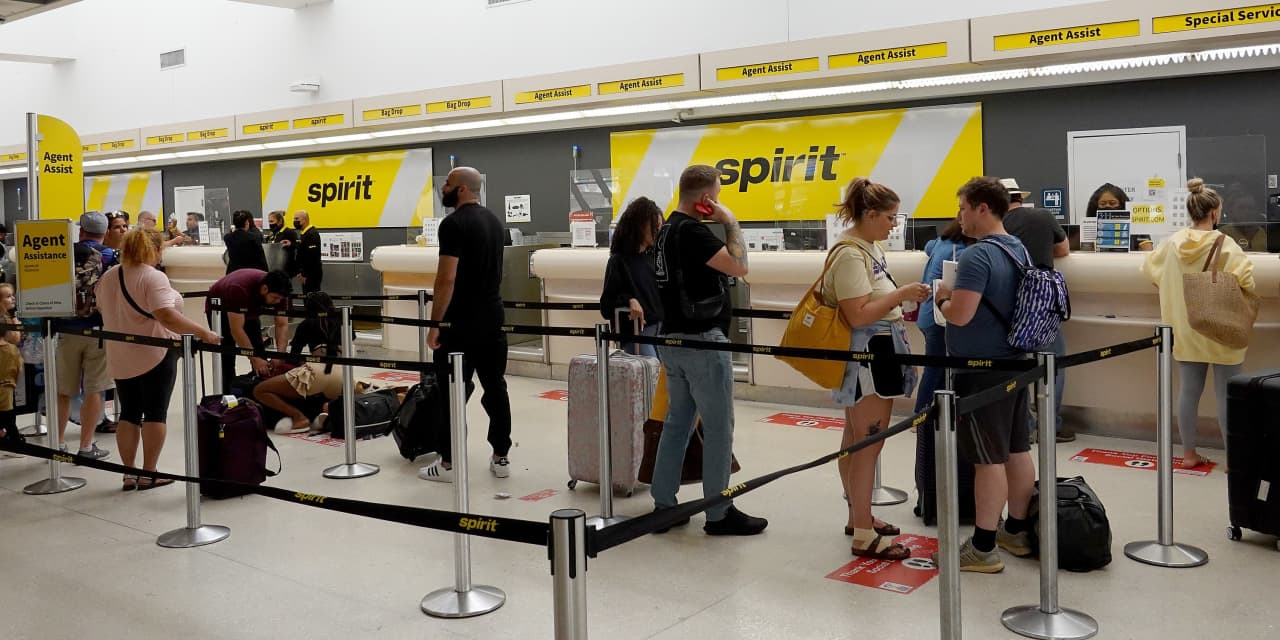
Frontier Group Holdings Inc. is increasing its flight capacity while most U.S. airlines cut back or slow expansion plans. The move comes one week after Spirit Airlines ceased operations on May 2. Frontier has added capacity at airports where Spirit had a large presence, according to a Bloomberg analysis of Cirium flight data.
The airline added 3 million seats to its scheduled flying between June and September. Frontier has been preparing the strategy for months. The company said it positioned itself to launch routes that could benefit from reduced competition. Spirit Airlines ceased operations after failing to secure emergency funding.
The carrier had filed for bankruptcy twice and saw a planned merger with JetBlue fall through. It had also held earlier merger talks with Frontier that ended without agreement. At the time of its closure, Spirit operated a fleet of 96 Airbus A320 and A321 jets in service with another 76 in storage.
Frontier operates an all-Airbus fleet of 183 jets. The company has previously announced plans to return 24 leased jets and defer deliveries of 69 new planes from Airbus.
The company has more route overlap with Spirit than any other U.S. carrier. It expects the exit of Spirit to increase revenue per seat mile by 3% to 5%. Officials said they will continue to adjust capacity based on fuel prices and demand trends. U.S. airlines spent 56% more on fuel in March compared with the prior month.
Jet fuel can account for as much as one-third of airline costs. , Delta Air Lines Inc. and American Airlines Group Inc. have announced plans to limit capacity growth to protect margins. United Airlines Holdings Inc. is reducing planned growth by about 5% and now expects capacity in the second half of 2026 to be flat to up 2% from a year earlier.


