Gaza Residents Unable to Perform Hajj After Family Deaths
Thousands of Palestinians in Gaza who planned to travel for the annual Hajj pilgrimage remain unable to leave the territory. Many lost relatives during the recent conflict and now face travel restrictions.
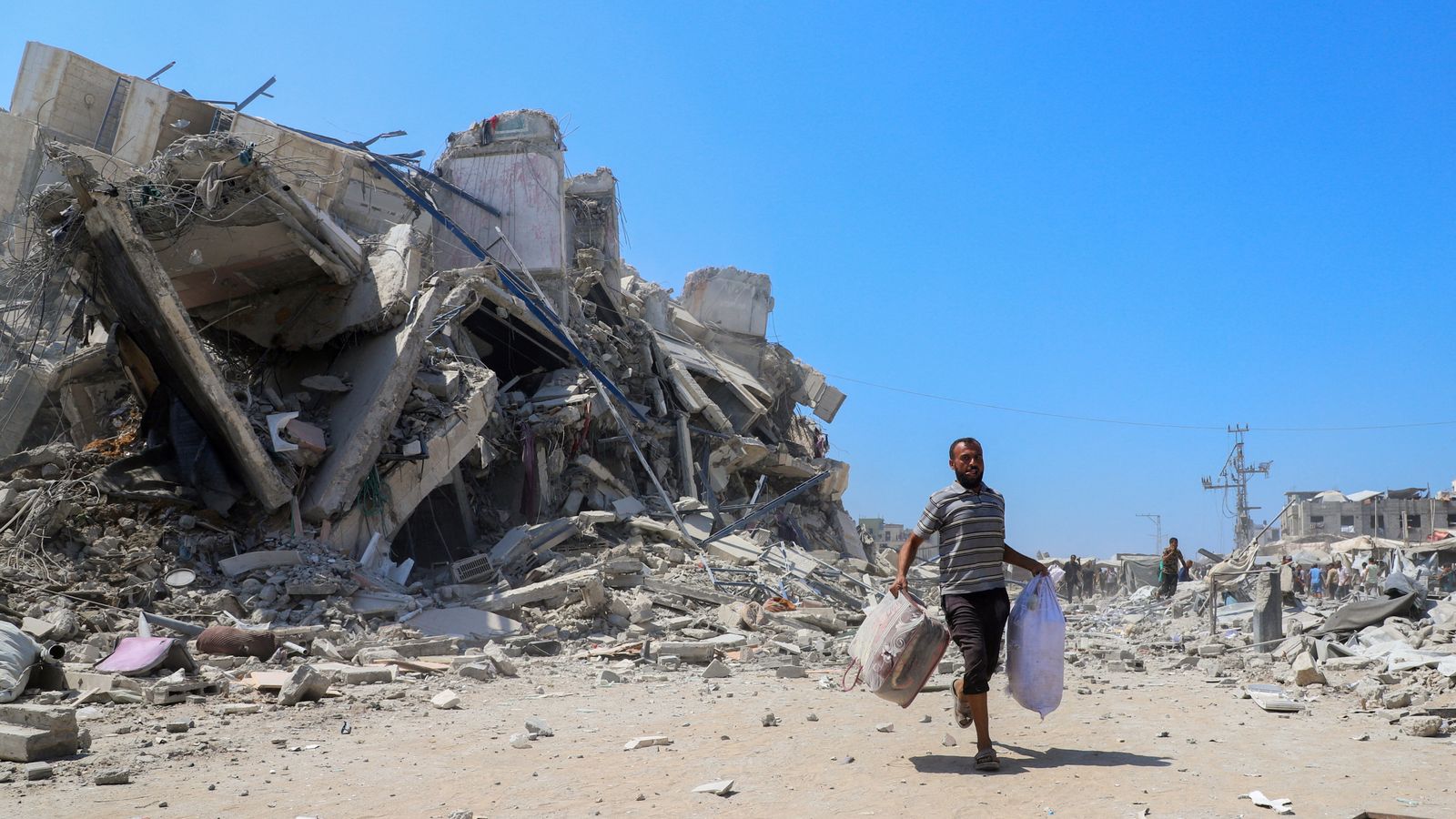 news.sky.com
Najia Abu Lehia, 64, had planned for years to perform Hajj with her husband. Her husband died before the couple could travel. She is now among thousands of Gaza residents who cannot leave the territory to join this year's pilgrimage to Mecca.
Gaza residents face barriers to international travel that prevent them from obtaining required permits and transportation. These restrictions have left many unable to complete religious obligations that require presence in Saudi Arabia.
@AJEnglish reported that the number of affected individuals includes thousands who had intended to travel this year. The annual Hajj draws millions of participants from around the world each year.
Key Facts
Story Timeline
3 events- Prior to 2026
Najia Abu Lehia planned Hajj with her husband.
1 source@AJEnglish - Prior to 2026
Her husband died during the Gaza conflict.
1 source@AJEnglish - 2026
Thousands of Gaza residents remain unable to travel for Hajj.
1 source@AJEnglish
Potential Impact
- 01
Religious travel agencies may see reduced bookings from Gaza.
Transparency Panel
Related Stories
 straitstimes.com
Journalists in Gaza to Receive 2026 Golden Pen of Freedom Award
Three international news agencies will accept the award on behalf of their local staff still reporting from the territory. The World Association of News Publishers cited the journalists' continued coverage under extreme conditions.
 upi.com
Supreme Court Revives Havana Docks Lawsuit Over Confiscated Cuban Property
The U.S. Supreme Court sent a Helms-Burton Act case back to lower courts for further argument. The suit seeks damages from cruise lines that used docks seized by Cuba in 1959.
 France 24
Pakistan Population Growth Outpaces Infrastructure as Male Contraception Stays Taboo
Pakistan's population exceeds 258 million and could reach 300 million by 2030. Contraception remains largely taboo in a society shaped by traditional values. The country continues to lag behind neighbors India and Bangladesh in key social sectors.