world
GCC Countries Report Over 6,500 Iranian Projectile Impacts on Infrastructure
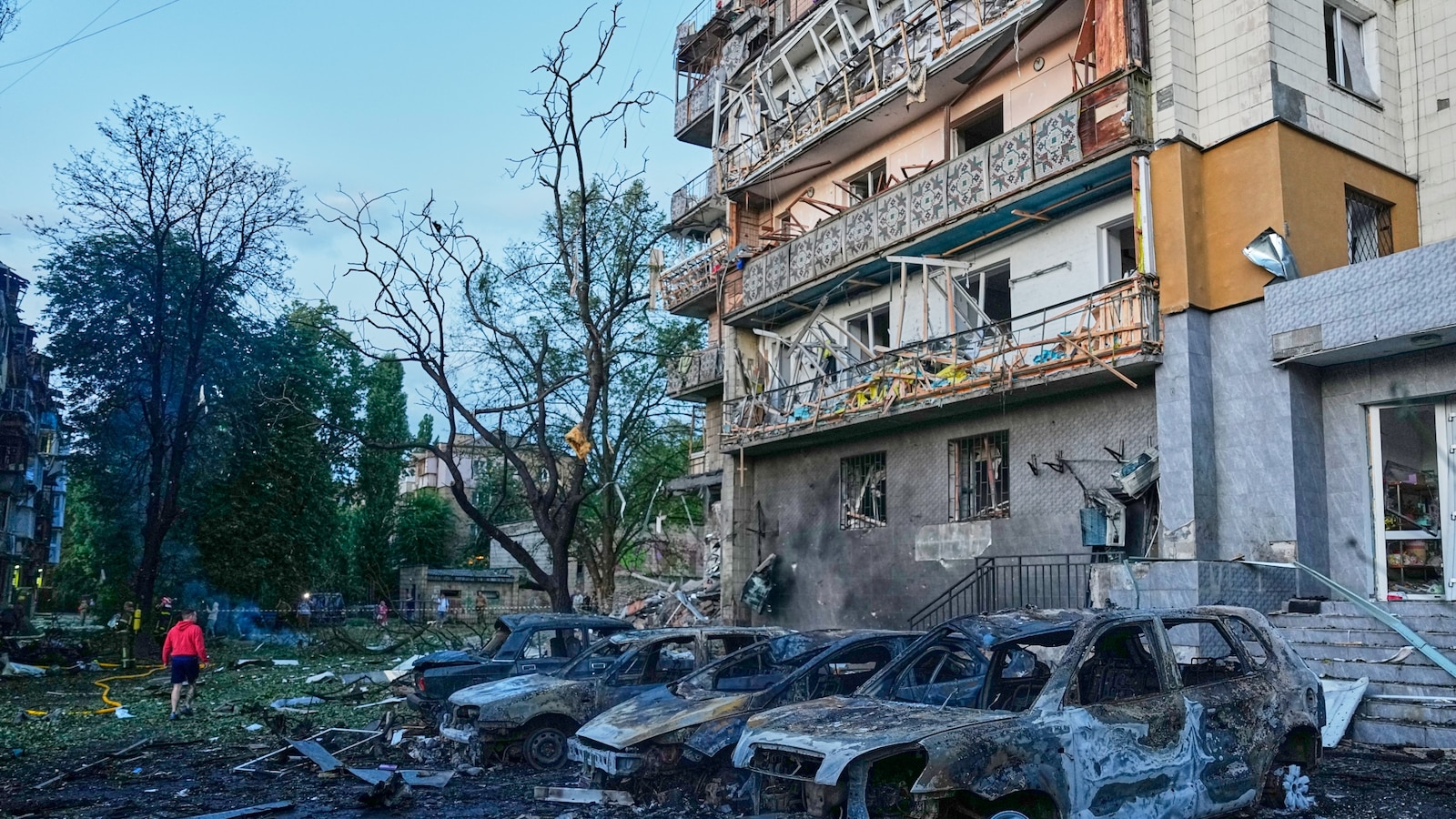
Gulf Cooperation Council (GCC) countries have reported more than 6,500 Iranian projectiles striking residential areas, airports, power stations, and energy facilities. The GCC described the attacks as unjustified and stated that its members have exercised restraint. Officials indicated that continued actions by Iran could prompt a response.
Apr 5, 8:00 PM·1m read1 source
MA
 Substrate placeholder — needs review
Audio version
Tap play to generate a narrated version.
The Gulf Cooperation Council (GCC), comprising Saudi Arabia, the United Arab Emirates, Qatar, and Bahrain, has documented impacts from over 6,500 Iranian projectiles on key infrastructure. These incidents occurred amid ongoing regional tensions, with projectiles landing in residential areas, airports, power stations, and energy facilities.
The attacks have affected civilian and critical sectors in these nations. GCC representatives have labeled the strikes as unjustified, emphasizing that no provocations warranted such actions. The organization, which coordinates economic and security policies among its six member states including Kuwait and Oman, has maintained a policy of restraint in response.
This approach aims to de-escalate conflicts while protecting national interests.
The reported impacts highlight vulnerabilities in GCC infrastructure, which supports oil production, air travel, and electricity supply for millions of residents. Disruptions to power stations and energy facilities could affect energy exports, a cornerstone of the region's economy.
Residential areas struck pose risks to public safety and housing stability. Affected populations include citizens and expatriates in urban centers near targeted sites. Broader stakes involve potential escalation in the Gulf region, where Iran and GCC countries have historical rivalries over security and resources.
International observers monitor these developments due to their implications for global energy markets.
officials have communicated their restraint publicly, signaling a preference for diplomatic resolutions. However, statements suggest that persistent Iranian actions may lead to defensive measures. No specific timelines or actions were detailed in the reports.
Next steps could involve consultations within the GCC framework or appeals to international bodies like the United Nations. Monitoring by regional allies and global powers remains ongoing to assess compliance with international law on civilian infrastructure.