world
Gemini North Telescope Captures Image of Crystal Ball Nebula
The Gemini North Telescope on Mauna Kea recorded an image of the planetary nebula NGC 1514. The National Science Foundation’s NOIRLab released the photo on May 21, 2026.
May 24, 4:55 PM·1m read1 source
AB
 ibtimes.com
Audio version
Tap play to generate a narrated version.
Developing·Limited corroboration so far. This page will refresh as more sources emerge.
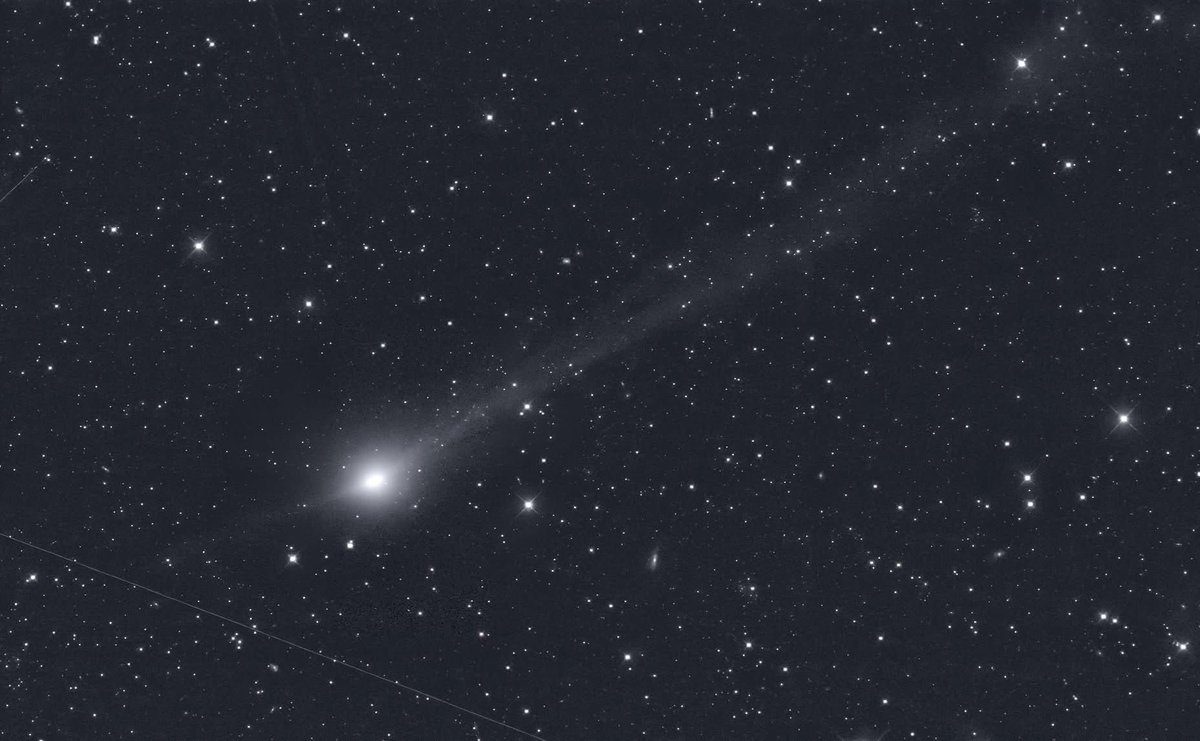
The Gemini North Telescope on Mauna Kea recorded an image of the planetary nebula NGC 1514, also called the Crystal Ball Nebula. The National Science Foundation’s NOIRLab released the photo on May 21, 2026. The object is a binary star system located 1,500 light-years from Earth.
One light-year equals nearly 6 trillion miles. The system consists of a central stellar core surrounded by a spherical shell of gas.
The shell formed when a star larger than the Sun shed its outer layers near the end of its life. The exposed core heats the surrounding gas to tens of thousands of degrees, producing the observed glow. Gemini North collected the data last year. NOIRLab staff completed the color version of the image the week before the May 21 release.
Transparency
How sources framed this
AB
AB
Single source — no framing comparison available.
CorroborationLimited · 1 source