world
Genetic test identifies rare disorder after 18 years of symptoms
A young woman received a diagnosis of PPP2R5D-associated neurodevelopmental disorder, also known as Jordan syndrome, following whole genome sequencing at a Cleveland Clinic clinic. The condition had previously been misidentified through multiple other labels. Fewer than 500 cases have been confirmed worldwide.
May 23, 8:00 AM·1m read1 source
 foxnews.com
Audio version
Tap play to generate a narrated version.
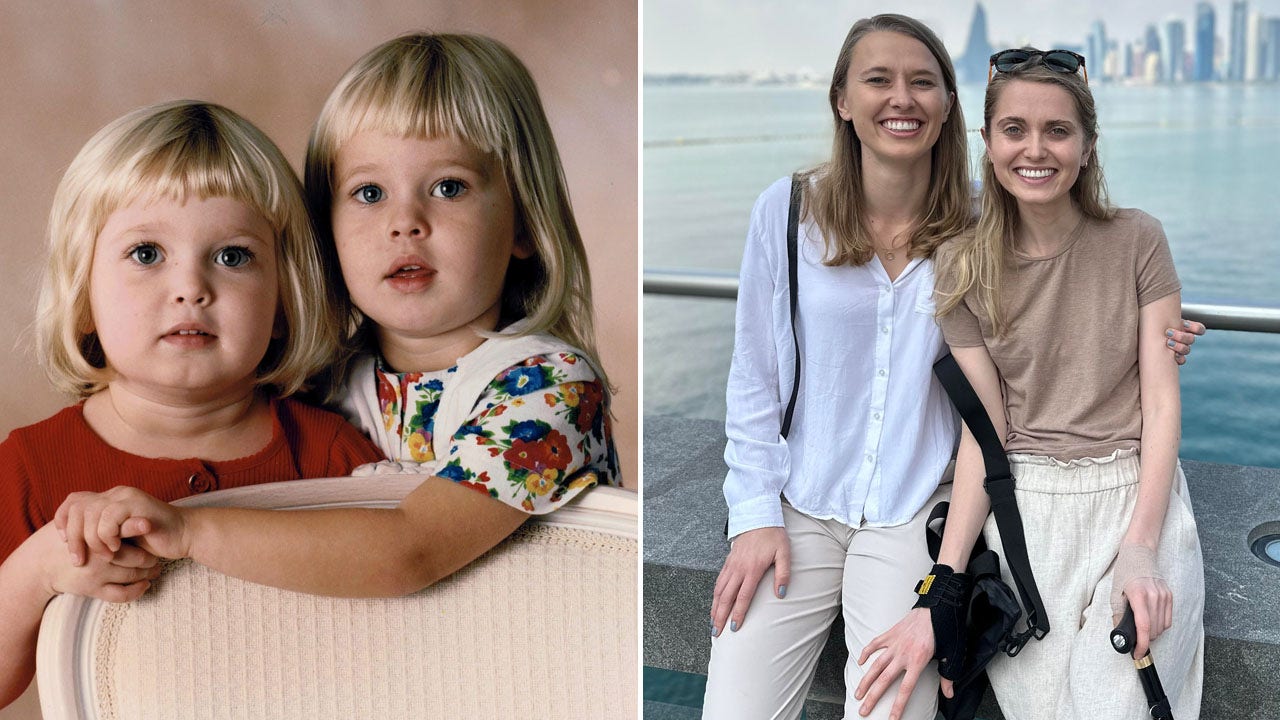
Lucia Adarve received a diagnosis of an ultra-rare genetic condition after 18 years of unexplained symptoms that began at birth. She experienced missed developmental milestones, seizures that caused collapses and concussions, balance problems, and sensitivity to loud noises and bright lights.
Multiple prior diagnoses, including epilepsy, lupus, fibromyalgia, ADHD and dyslexia, did not fully match her symptoms or respond to treatment.
Medical evaluation In 2025, Lucia and her mother Lisa visited Dr.
Todd Arthur at Cincinnati Children's Hospital Medical Center. Arthur referred them to the Cleveland Clinic's Undiagnosed Disease Clinic, founded and directed by Dr. Adnan Alsadah. The clinic conducted whole genome sequencing on a genetic sample from Lucia. Four weeks later, the test identified a mutation on the PPP2R5D gene, confirming Jordan syndrome.
Condition details Dr.
Wendy Chung, a pediatric medical geneticist, stated that Jordan syndrome can involve large head size, distinct facial features, developmental delays, movement and speech difficulties, seizures, autism and ADHD. Some patients later develop movement problems similar to Parkinson's disease.
Alsadah said the average time to diagnosis for patients with ultra-rare conditions exceeds 10 years. The clinic uses genome sequencing to shorten that period.
Current status Medications have reduced Lucia's seizures.
A multidisciplinary team created a management plan for remaining symptoms, and she joined a clinical trial testing a medication for a related condition. Lisa Adarve said the diagnosis confirmed that her daughter's symptoms were real. Lucia said she felt initial relief followed by frustration that the answer took 18 years.