politics
German Interior Minister Asks for Permanent Counter-Drone System at Parliament as Bundeswehr Powers Expand
Alexander Dobrindt told Bundestag President Julia Klöckner that the risk of drone attacks on constitutional bodies has risen and called for a standing defence capability.
Jun 13, 4:23 AM·2m read1 source
 Euronews
Audio version
Tap play to generate a narrated version.
Developing·Limited corroboration so far. This page will refresh as more sources emerge.
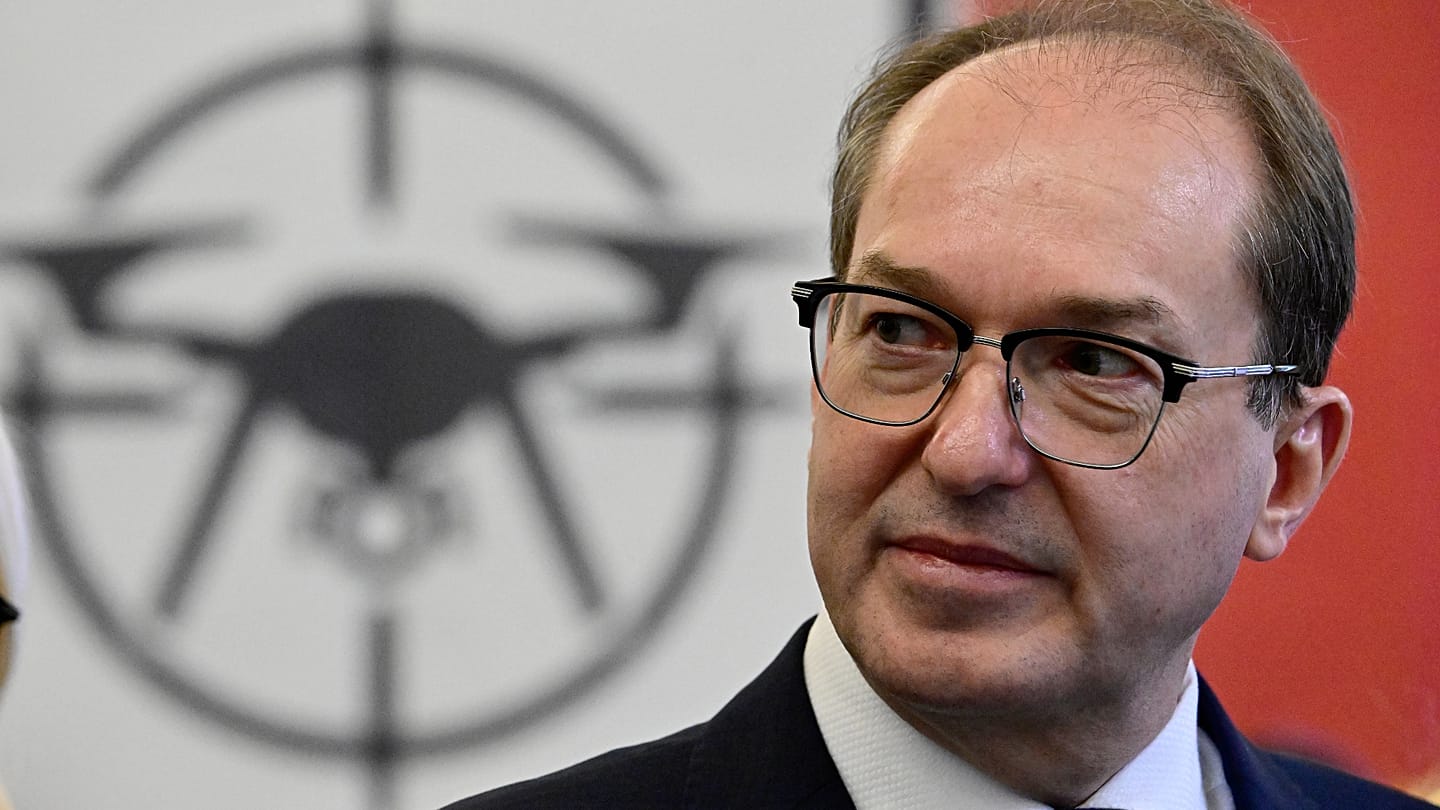
Federal Interior Minister Alexander Dobrindt told Bundestag President Julia Klöckner that the risk of potential drone attacks on the German Bundestag and other constitutional bodies has increased. In the letter, reported by the Rheinische Post, Dobrindt called for a permanently available counter-drone defence capability to protect key state institutions.
"Protecting the constitutional bodies is of particular importance in light of the current abstract threat situation," Dobrindt wrote.
He added that the growing number of drone sightings in recent months has further heightened awareness among security authorities. The exchange began with an enquiry Klöckner sent in December asking to what extent the new Federal Police counter-drone unit could be deployed to protect parliament.
Dobrindt replied that the unit can provide support for limited periods as part of administrative assistance, while responsibility for counter-drone defence at the Bundestag remains with the Berlin state police.
The warning comes as concern about drone incidents grows across Europe. For months, drones entering NATO airspace have kept alliance security authorities occupied. In Lithuania, the political leadership had to seek safety after a drone entered the country’s airspace.
Security agencies attribute several of these cases to Russian GPS jamming, which can throw drones off course and send them into NATO territory. The Bundeswehr’s Operational Command has observed repeated illegal drone flights over critical infrastructure and military installations in Germany, pointing to possible reconnaissance attempts by foreign actors.
Germany is expanding its counter-drone defences through a reform of the Aviation Security Act that extends the powers of the Federal Police and the Bundeswehr.

