Substrate
business

Germany and Japan Advance Hydrogen Vehicle Cooperation

German Transport Minister Patrick Schnieder visited Japan to inspect hydrogen projects. BMW and Toyota are jointly developing a new fuel cell system for vehicles.

dw.com
1 source·May 17, 8:25 AM(12 days ago)·2m read
|
Germany and Japan Advance Hydrogen Vehicle Cooperationdw.com
Audio version
Tap play to generate a narrated version.

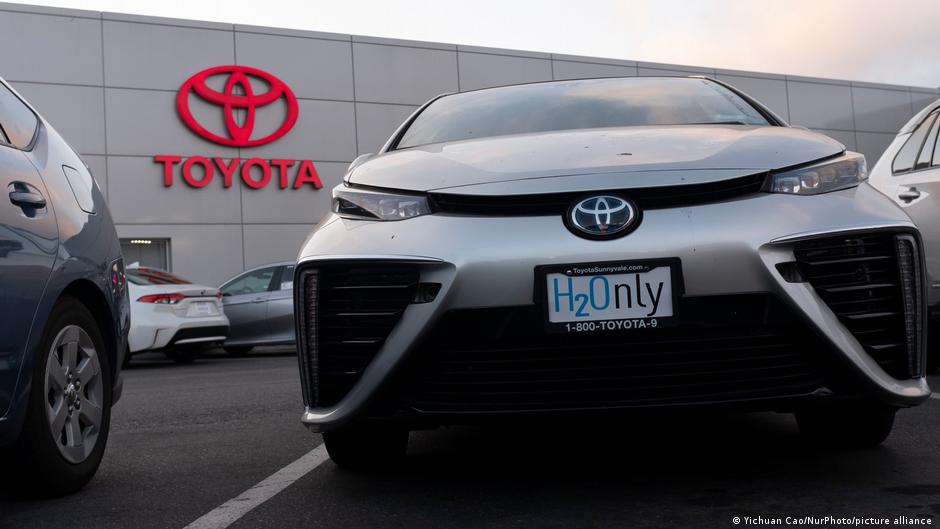
German Transport Minister Patrick Schnieder arrived at Toyota's fuel cell factory in a BMW iX5 Hydrogen vehicle and later departed in a Toyota Crown FCEV. Both cars generate electricity from hydrogen in a fuel cell. BMW and Toyota are jointly developing the third generation of this drive technology.

Three BMW employees have moved to Japan to participate in the project. Both companies are contributing components to develop a more compact and efficient fuel cell.

Once development is complete, BMW will manufacture the drive technology in an Austrian factory and Toyota will produce it at a Japanese site. BMW plans to launch its first hydrogen series model in 2028. Toyota will equip its two existing hydrogen series models with the new system.

"The cooperation between Toyota and BMW on hydrogen is groundbreaking for the further development of this drive technology," Transport Minister Schnieder told reporters. Germany expects a sharp increase in demand for green hydrogen by 2030 and will need to import large quantities.

Japan plans to expand its hydrogen capacity to twelve million tons per year by 2040. Schnieder visited the world's first terminal for liquid hydrogen in the port of Kobe, which has so far only been used for testing. He also visited Kansai Airport in Osaka, where buses and forklift trucks run on fuel cells as a pilot project.

Last September, Kawasaki Heavy Industries, Toyota, Kepco, Daimler Truck, MB Energy and the Port of Hamburg agreed to establish a commercial hydrogen supply chain. German and Japanese authorities are exploring ways to finance the hydrogen production boost.

Earlier this year, 220 million euros were made available to build up to 40 hydrogen filling stations in Germany and put up to 400 hydrogen-powered trucks on the road. Daimler Truck has begun operating Germany's first liquid hydrogen refueling station for trucks.

Daimler's Japanese subsidiary Fuso has brought liquid hydrogen truck propulsion to Japan. Fuso recently merged with Toyota's commercial vehicle subsidiary Hino to form the joint venture Archion. The new venture will coordinate hydrogen truck offerings.


Germany plans to have three quarters of newly registered heavy commercial vehicles running on emission-free fuel by 2030. Japan has not set comparable targets. Fuso's H2FC truck remains a concept vehicle for now because Japan currently has only filling stations for compressed hydrogen.

Key Facts

BMW hydrogen model launch
planned for 2028
German hydrogen funding
220 million euros for filling stations and trucks
Japan hydrogen target
twelve million tons per year by 2040
Germany emission-free target
three quarters of new heavy vehicles by 2030

Story Timeline

3 events
  1. 2026

    German Transport Minister Patrick Schnieder visited Toyota's fuel cell factory in Japan.

    1 sourcedw.com
  2. 2025

    220 million euros were allocated for hydrogen filling stations and trucks in Germany.

    1 sourcedw.com
  3. 2025

    Kawasaki Heavy Industries, Toyota, Kepco, Daimler Truck, MB Energy and Port of Hamburg agreed to establish a commercial hydrogen supply chain.

    1 sourcedw.com

Potential Impact

  1. 01

    Germany will need to import large quantities of green hydrogen by 2030.

  2. 02

    BMW will begin manufacturing hydrogen drive technology in Austria after development completes.

  3. 03

    Toyota will equip existing hydrogen models with the new fuel cell system.

Transparency Panel

Sources cross-referenced1
Confidence score75%
Synthesized bySubstrate AI
Word count387 words
PublishedMay 17, 2026, 8:25 AM
Bias signals removed1 across 1 outlet
Signal Breakdown
Editorializing 1

Related Stories

EU Fines Temu €200 Million Over Unsafe ProductsLos Angeles Times
business2 hrs ago

EU Fines Temu €200 Million Over Unsafe Products

The European Commission imposed a €200 million fine on Chinese e-commerce platform Temu for failing to assess risks from illegal goods. The penalty is the second issued under the Digital Services Act.

Los Angeles Times
The New York Times
BBC News
3 sources
Aggreko to Build Off-Grid Hybrid Plant for Eva Copper MineAbc
business22 hrs ago

Aggreko to Build Off-Grid Hybrid Plant for Eva Copper Mine

Global energy company Aggreko will construct Australia's largest off-grid renewable hybrid power facility at the Eva Copper Mine in North West Queensland. The 15-year project will supply 72 megawatts of power using solar, battery storage and thermal generation.

Abc
1 source
EU fines Temu more than $230 million over illegal product salestheyeshivaworld.com
business1 day ago

EU fines Temu more than $230 million over illegal product sales

The European Commission imposed a €200 million penalty on the Chinese e-commerce platform after finding consumers are very likely to encounter illegal items. Temu has until August 26 to submit a compliance plan or face further penalties.

The New York Times
The Verge
2 sources