Trump Orders US Troop Withdrawal From Germany, Imposes Tariffs on Iran
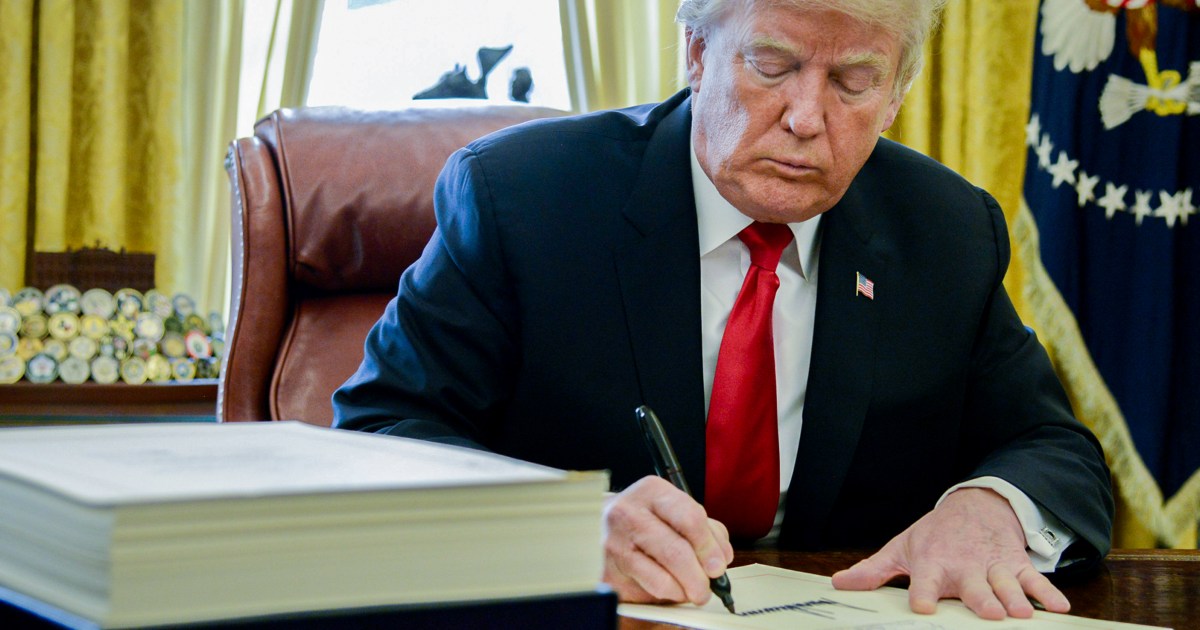
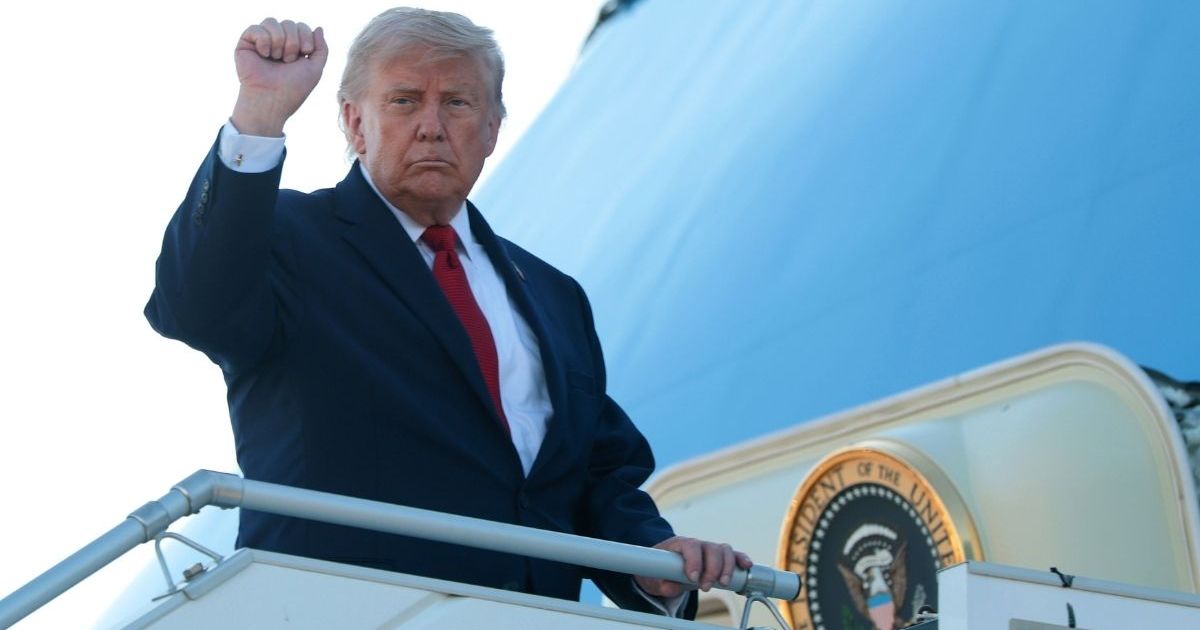
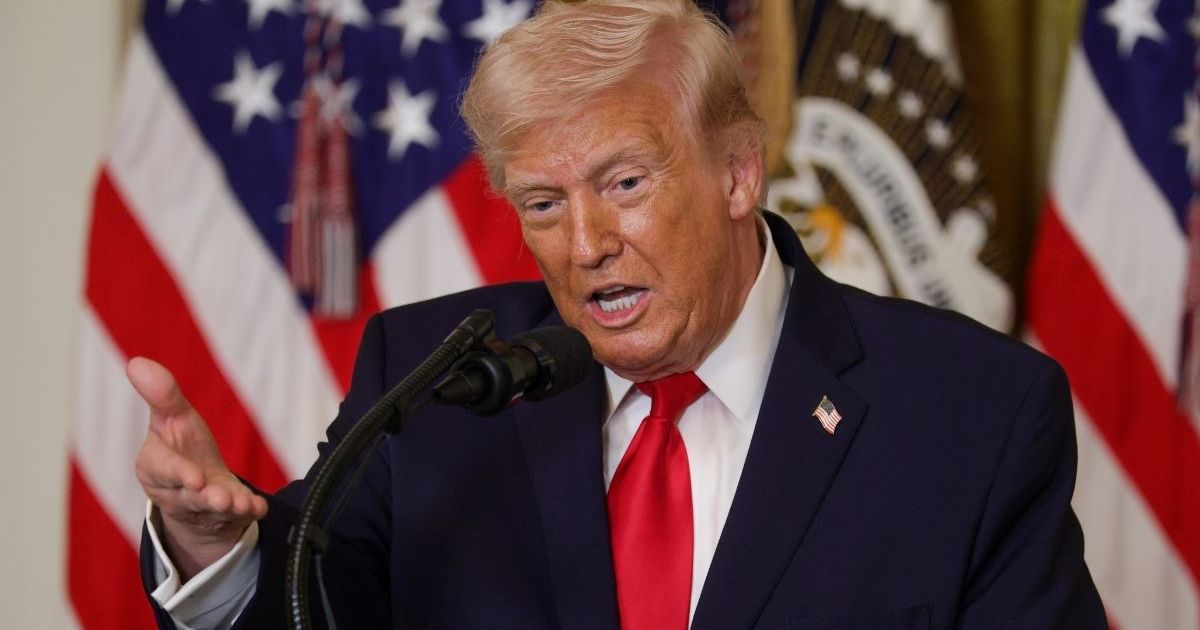
Chancellor Friedrich Merz criticized stalled U.S.-Iran talks last week, prompting President Trump to announce the withdrawal of 5,000 U.S. troops from Germany and cancel planned missile deployments. Trump also imposed an immediate 25% tariff on European car imports. The dispute has accelerated German efforts toward greater European independence from U.S. security guarantees.
msnbc.comA diplomatic dispute between Germany and the United States over the war with Iran has escalated into broader measures affecting NATO deployments and trade. aims in the conflict without direct criticism. In a March meeting in the Oval Office, Merz had agreed with the goal of removing the Iranian regime and stated it was "not the time to lecture our partners and allies" on international law.
Germany kept its airspace open to U.S. operations and did not restrict American bases on its territory. Merz has not retracted his comments. In a primetime television interview on Sunday, he adopted a more conciliatory tone but stood by his observations despite repeated questioning.
The chancellor had previously sought to position himself as a bridge between Europe and the Trump administration. In response, Trump announced the withdrawal of 5,000 U.S. troops from German bases, with hints that the number could rise. The U.S. will also cancel the stationing of Tomahawk and other mid-range missile systems in Germany, reversing a 2024 agreement intended to counter Russian nuclear-capable missiles in Kaliningrad.
European efforts to develop similar capabilities are not expected to materialize for six to eight years.
The war has halved Germany's growth forecast for 2026, complicating the chancellor's domestic reform agenda. Merz had driven a major rearmament of the Bundeswehr by suspending the constitutional debt brake and pushed NATO allies to commit 5% of GDP to defense spending.
Germany has also taken the lead in financing military support for Ukraine within Europe. More than 1,000 Patriot interceptors needed on the Ukrainian front or NATO's eastern flank have instead been used in the Middle East conflict. Merz's initial strategy of managing the Trump administration through concessions has now shifted.
Iran, the U.S.-Israeli military campaign has altered daily life in major cities. Since the war began, the Islamic Revolutionary Guard Corps and Basij forces have mobilized supporters into the streets of Tehran and other urban centers. These groups conduct mobile rallies using car-mounted loudspeakers, chanting Islamic slogans, reciting the Quran and shouting "Heydar, Heydar" in reference to the first Shiite Imam.
Pro-regime gatherings often center on displays of missiles described as ready for launch, with crowds waving flags and performing collective prayers nearby. At the same time, checkpoints have proliferated across cities where Basij and police search vehicles and inspect cellphones for anti-regime content, leading to detentions and beatings in some cases.
Ordinary Iranians have largely withdrawn from public spaces, especially at night, preferring to remain indoors. This retreat reverses years of gradual "quiet encroachment" in which citizens had reclaimed streets from regime control through small acts of defiance, such as relaxed hijab standards and mixed-gender socializing.
Regime loyalists had previously concentrated in controlled townships and ideological venues. The shift strengthens the Islamic Republic's visible presence and complicates narratives of imminent regime collapse. It coincides with a broader centralization of power around the IRGC following the death of Supreme Leader Ali Khamenei in a February strike.
“The Iranians are obviously very skilled at negotiating, or rather, very skilful at not negotiating, letting the Americans travel to Islamabad and then leave again without any result. An entire nation is being humiliated by the Iranian leadership.”
“War Handed Public Space Back to Iran’s Regime. After years of quiet encroachment by ordinary people, the Islamic Republic reclaims the urban landscape.”
The episode underscores tensions within the Western alliance at a time when European security concerns extend from the Middle East to Russia's border with NATO members. German officials continue to weigh the balance between alliance loyalty and strategic autonomy.
Key Facts
Story Timeline
4 events- May 5, 2026
Pro-regime rallies and checkpoints intensify across Iranian cities following Khamenei's death in February strike.
1 sourceForeign Policy - Last week
Chancellor Friedrich Merz criticizes Iranian negotiating tactics in remarks to schoolchildren.
2 sourcesThe Guardian · France24_en - Sunday
Merz appears in primetime TV interview and does not retract his comments on Iran.
1 sourceThe Guardian - May 7, 2026
Foreign Policy publishes analysis on regime supporters reclaiming Iranian public spaces.
1 sourceForeign Policy
Potential Impact
- 01
German automotive industry faces immediate revenue losses from new 25% US import tariff.
- 02
NATO's eastern flank deterrence is weakened by cancelled missile deployment in Germany.
- 03
Ordinary Iranians further retreat from public spaces as regime supporters dominate streets.
- 04
Germany's 2026 GDP growth forecast has been halved due to war-related disruptions.
- 05
Germany accelerates push for European military independence from US security umbrella.
Transparency Panel
Related Stories
BBC NewsTrump Meets Advisers to Decide on Iran Ceasefire Extension
President Trump said he is holding a Situation Room meeting to make a final decision on a possible deal with Iran. The proposed agreement would extend the ceasefire by 60 days and reopen the Strait of Hormuz.
Trump to Decide on Iran Deal in Situation Room Meeting
President Trump said Friday he is heading into the Situation Room to make a final determination on a potential agreement with Iran. The proposed deal would reopen the Strait of Hormuz without tolls and require destruction of Iran's highly-enriched uranium.
benzinga.comVietnam Clears Graves for Trump Organization Project in Hung Yen Province
Farmers in Hung Yen province are exhuming family graves to make way for a $1.5 billion Trump Organization development that includes hotels, villas and a golf course. The project, approved last year, has drawn local resistance over compensation levels and relocation of remains.