science
New Giant Long-Necked Dinosaur Species Identified From Thailand Fossils
Scientists have identified a new species of sauropod dinosaur from fossils found in north-eastern Thailand a decade ago. The nagatitan weighed 27 tonnes and measured 27 metres in length. The discovery was detailed in a study published in the Scientific Reports journal.
May 14, 1:28 PM·2m read2 sources

 interestingengineering.com
Audio version
Tap play to generate a narrated version.
Developing·Limited corroboration so far. This page will refresh as more sources emerge.
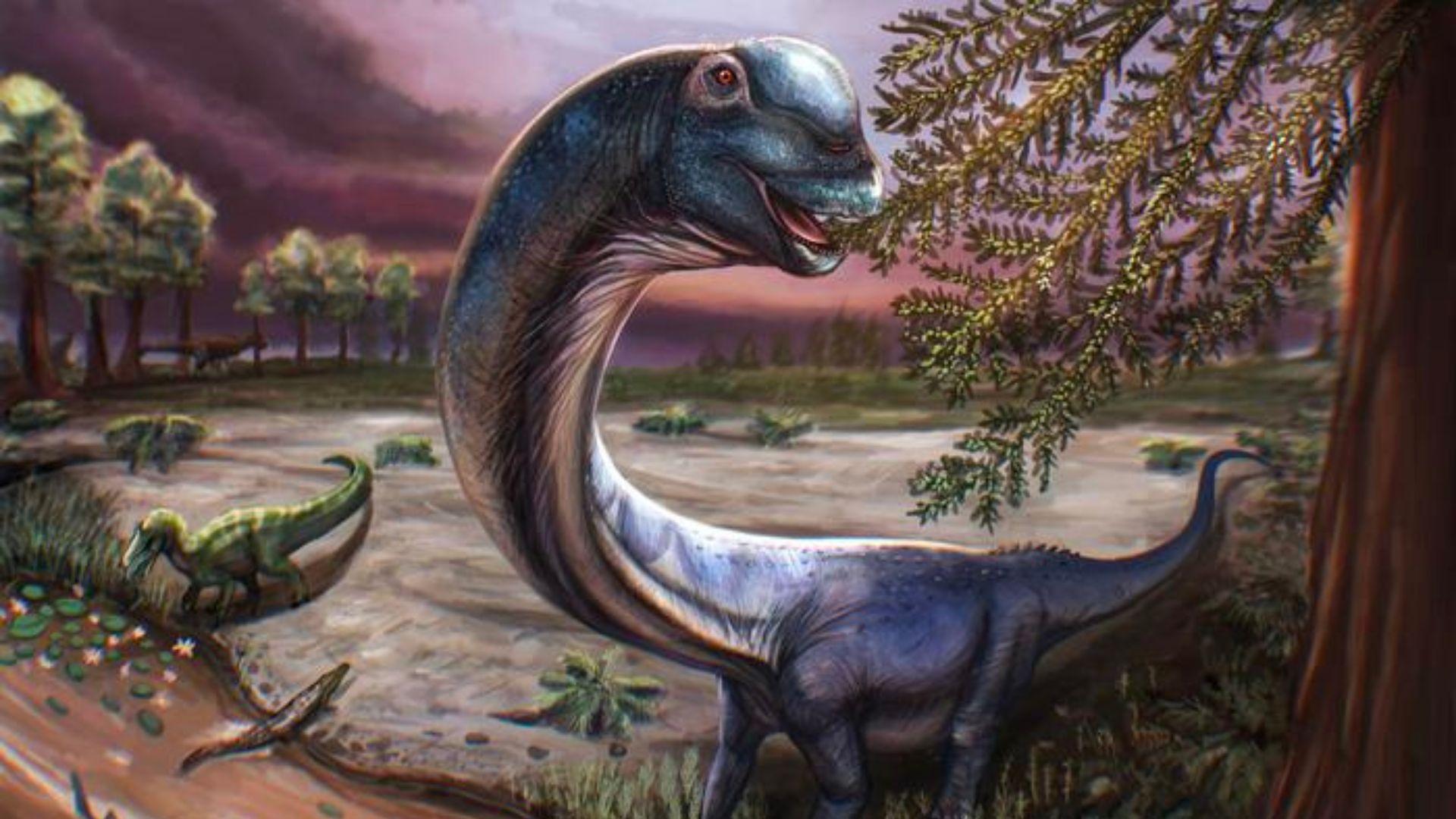
Scientists from the UK and Thailand have identified a new species of giant long-necked dinosaur from fossils uncovered beside a pond in north-eastern Thailand a decade ago. The nagatitan weighed 27 tonnes, equivalent to nine adult Asian elephants, and measured 27 metres in length.
It belonged to the sauropod family of long-necked herbivores and was twice the size of a tyrannosaurus rex. The dinosaur lived between 100 and 120 million years ago, around 40 million years earlier than the tyrannosaurus rex. Its full name is Nagatitan chaiyaphumensis, with "naga" referring to a serpent in South-East Asian folklore, "titan" referring to the gods in Greek mythology, and chaiyaphumensis meaning "from Chaiyaphum," the province where the fossils were found.
Sethapanichsakul, a Thai doctoral student at University College London, was the lead author of the study published in the Scientific Reports journal. He said researchers referred to the nagatitan as "the last titan" of Thailand because the fossils were found in the country's youngest dinosaur-bearing rock formation.
"Younger rocks laid down towards the end of the time of the dinosaurs are unlikely to contain dinosaur remains because the region by then had become a shallow sea. So this may be the last or most recent large sauropod we will find in South-East Asia," he said.
The nagatitan is the 14th dinosaur species to be named in Thailand. A palaeontologist from Mahasarakham University stated that the country has a high diversity in dinosaur fossils and is possibly the third most abundant in Asia in terms of dinosaur remains.
The nagatitan roamed Earth when the planet's atmospheric carbon dioxide levels were rising in line with high global temperatures. The study's co-author, UCL's Prof Paul Upchurch, said the sauropod family of dinosaurs had become quite large at this time.