Substrate
technology

Ginkgo Bioworks to Close Traditional Labs and Spin Off Biosecurity Unit

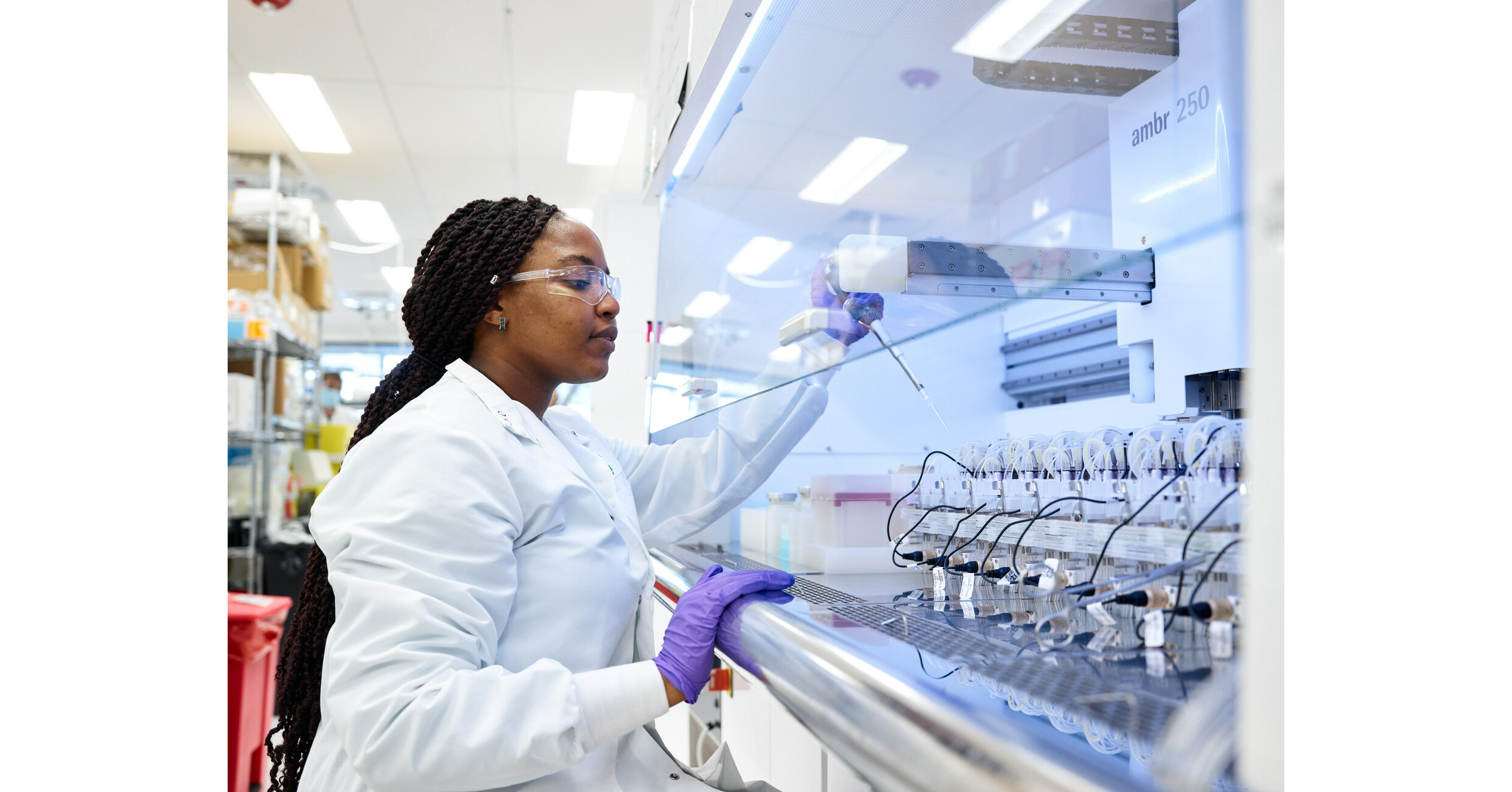
The Boston company reported cumulative net losses of $6 billion since 2020 and a 24 percent revenue decline last year. It will focus on selling AI-driven lab robots to drug companies and universities while offering cloud access to automated experiments. The company already operates a 50-robot lab in Boston and signed a deal to supply nearly 100 robots to a Department of Energy facility.

The Boston Globe
1 source·May 13, 6:57 PM(15 days ago)·2m read
|
Ginkgo Bioworks to Close Traditional Labs and Spin Off Biosecurity Unitprnewswire.com
Audio version
Tap play to generate a narrated version.
Developing·Limited corroboration so far. This page will refresh as more sources emerge.

Ginkgo Bioworks is closing its traditional non-automated labs, spinning off its biosecurity unit and shifting its business to developing and selling AI-powered laboratory robots. The company has recorded total net losses of $6 billion since 2020. Revenue from its synthetic biology services unit fell 24 percent last year to $133 million, less than one-eighth of the amount forecast when the company went public in 2021.

The synthetic biology services business has declined for three straight years. Higher interest rates reduced life sciences funding and increased competition from China contributed to the downturn, particularly in the Boston area. The company has already cut hundreds of jobs and its stock price has fallen more than 95 percent from a peak valuation of $20 billion in 2021.

The company maintains a 50-robot automated lab at its Seaport offices in Boston.

The company struck a $47 million deal in December to provide almost 100 lab robots to the Department of Energy’s Pacific Northwest National Laboratory. The robots, called Reconfigurable Automation Carts, have wheels and robotic arms and can prepare, cultivate and measure thousands of samples.

The company plans to sell access to its automated lab over the cloud to smaller companies and individual scientists for as little as $39 per experiment. Larger fully automated systems will be sold to big drug companies and universities. The company has existing agreements with OpenAI and Google to develop AI and cloud systems for biotech research.

A company executive said the goal is to replace the traditional lab bench with automated systems that can operate nearly 24 hours a day, seven days a week, with minimal human staffing.

The company’s shares rose 17 percent in the first two months of the year but dropped about 30 percent in the three days after the new strategy was announced. Most of the decline occurred before a broader market drop linked to the war in Iran. An analyst at William Blair & Co.

wrote that the company is positioning itself within the AI drug discovery sector. The company stated that lower-cost automated research could help revive Boston’s life sciences sector.

Key Facts

$6 billion
cumulative net losses since 2020
$133 million
last year's synthetic biology revenue
24 percent
revenue decline from prior year
50 robots
current automated lab in Boston
95 percent
stock decline from 2021 peak

Story Timeline

5 events
  1. 2021

    Ginkgo Bioworks went public with forecasts far above current revenue levels.

    1 sourceThe Boston Globe
  2. 2020-2025

    The company accumulated $6 billion in total net losses.

    1 sourceThe Boston Globe
  3. Last year

    Synthetic biology services revenue fell 24 percent to $133 million.

    1 sourceThe Boston Globe
  4. December

    The company signed a $47 million deal to supply robots to a Department of Energy lab.

    1 sourceThe Boston Globe
  5. Last week

    The company announced its pivot to AI-driven lab robots, lab closures and biosecurity spin-off.

    1 sourceThe Boston Globe

Potential Impact

  1. 01

    Hundreds of jobs have already been cut at the company as part of cost reduction efforts.

  2. 02

    Smaller companies and scientists may gain cloud access to automated experiments starting this year.

  3. 03

    Large pharmaceutical companies and universities could purchase full automated lab systems.

  4. 04

    The biosecurity business will operate as a separate entity following the spin-off.

Transparency Panel

Sources cross-referenced1
Confidence score65%
Synthesized bySubstrate AI
Word count357 words
PublishedMay 13, 2026, 6:57 PM
Bias signals removed1 across 1 outlet
Signal Breakdown
Speculative 1

Related Stories

World Urban Forum 2026 Draws 57,000 Participants from 176 CountriesEuronews
technology4 hrs agoDeveloping

World Urban Forum 2026 Draws 57,000 Participants from 176 Countries

The 13th World Urban Forum concluded with discussions on housing, climate resilience and urban governance. Organisers reported that the sessions informed future strategic priorities.

Euronews
1 source
Trump Mobile website still lists T1 phone as American-madetheverge.com
technology4 hrs agoDeveloping

Trump Mobile website still lists T1 phone as American-made

The product page for the T1 phone continues to describe the device as American-made. The Verge reported that the site may conflict with FTC advertising rules. The phone was announced in June 2025.

The Verge
1 source
EU Discusses Readiness for Artificial Intelligence ChangesFrance 24
ai4 hrs agoDeveloping

EU Discusses Readiness for Artificial Intelligence Changes

A France 24 program examined whether European Union policies can address the effects of artificial intelligence. The discussion covered potential impacts across daily life and economic sectors.

France 24
1 source